








Ride-hailing passengers across Britain are expected to face fare increases of up to 20 per cent after a VAT overhaul announced in the Autumn Budget.
The measure, described by industry specialists as a significant shift in how private hire journeys are taxed, will take effect from January 2 2026.
Under the new rules, the Government will remove private hire and taxi services from the Tour Operators' Margin Scheme.
This change means VAT at 20 per cent will be charged on the full cost of each journey instead of on the operator’s margin.
TRENDING
Stories
Videos
Your Say
HMRC confirmed the updated position, stating the measure "excludes suppliers of private hire and taxi journeys from being 'tour operators' for the purposes of the Tour Operators' Margin Scheme".
The announcement was made while public attention focused heavily on changes to income tax bands and National Insurance contributions.
Industry experts warn the adjustment will have far-reaching consequences for small businesses, young workers, families and rural communities that depend on ride-hailing services for essential transport.
Kate Underwood, founder of a Southampton-based consultancy HR and Training company, expressed concern about the ramifications for employers seeking to ensure staff safety.
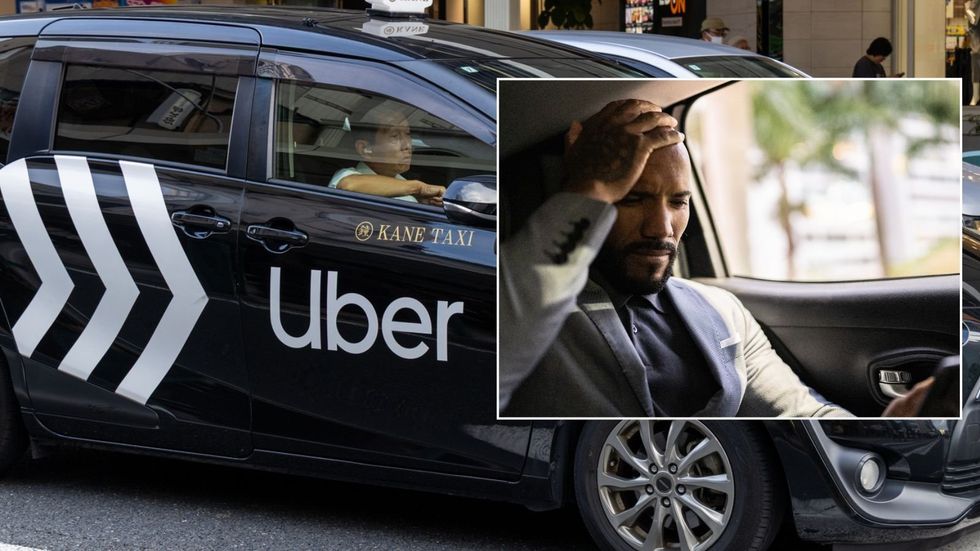
Uber fares could be set to rise by 20 per cent according to experts
|GETTY
"If you ever needed proof that Rachel from Accounts has never tried getting a junior home safely at 11pm, this taxi tax is it", she said.
Ms Underwood noted that businesses often rely on ride-hailing apps because they provide features such as journey tracking, registration visibility and driver identification, all viewed as crucial for duty of care.
"That is not a luxury, that is how you do duty of care without losing your mind", she added.
She also highlighted that rising costs will not reflect improved driver pay, but rather the impact of regulatory changes applied on top of existing pressures such as wage expectations, pension duties and National Insurance contributions.
LATEST DEVELOPMENTS

Experts expect passenger costs to rise significantly once the reforms come into force.
|GETTY
Scott Gallacher, director at Leicester-based financial planning firm Rowley Turton, expects passenger costs to rise significantly once the reforms come into force.
"Although the Government presents this as a technical VAT correction, in practice it appears as an Uber tax that will drive up ride-hailing costs by 15-20 per cent", he said.
Mr Gallacher said the changes will disproportionately affect younger people already contending with driving test delays, high insurance premiums and increasing living costs.
"This is yet another example of intergenerational unfairness, with the youngest who already face licensing backlogs, unaffordable car insurance and squeezed living costs now paying more simply to travel safely", he explained.
He added that the measure will hit rural households particularly hard, as app-based services frequently serve as their only practical transport option when local bus or rail links are limited.
David Stirling, an independent financial adviser at Belfast-based Mint Wealth Ltd, said the policy represents an additional financial pressure on ordinary workers.
"This is yet another example of Rachel Reeves pushing the glass ceiling of tax and VAT down lower onto working people", he stated.
Mr Stirling said the core change is that VAT will be applied to the full fare instead of a smaller proportion."
Meanwhile, passengers can look forward to the new experience of paying more tax without travelling any further", he observed.
Sector analysts say the updated charges are likely to affect all major platforms operating in the UK, including app-based ride-hailing services and traditional private hire firms.
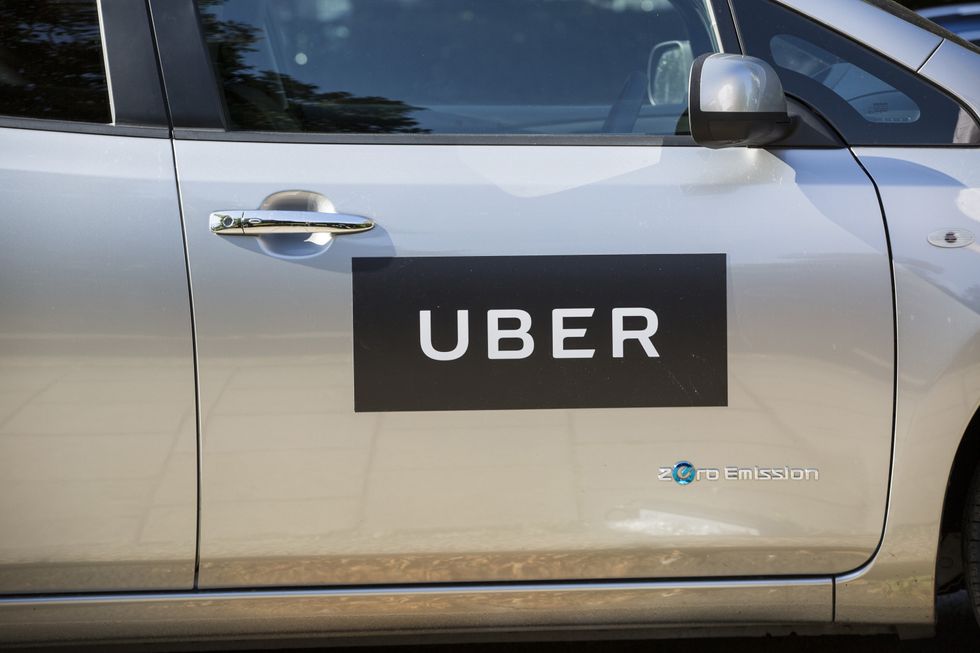
Operators are expected to pass the additional VAT directly to passengers through higher fares once the scheme changes.
| PAMany operators are expected to pass the additional VAT directly to passengers through higher fares once the scheme changes.
Trade bodies are examining the details of the reform and have raised concerns about its timing, particularly as many local authorities seek to expand late-night transport availability and encourage alternatives to private car use.
Operators warn that the VAT adjustment could reduce demand for shorter urban trips and pose challenges for firms already balancing rising fleet, licensing and insurance costs.
The Government has said the measure reflects a technical correction to ensure consistent VAT treatment across sectors.
However, industry specialists argue the impact on household budgets will be considerable once the change takes effect.
Uber have been contacted for comment.
More From GB News