










Thousands of Britons will be stuck in a "worst-case scenario" situation, many paying four times more in National Insurance contributions to get the full amount in the state pension.
British citizens residing abroad face a dramatic surge in costs to build their UK state pension entitlement from next week, thanks to a rule changing coming into effect on April 6.
Chances from HM Revenue and Customs (HMRC) will strip most expats of their ability to pay Class 2 voluntary National Insurance contributions, currently priced at £182 annually.
Instead, those wishing to continue accumulating qualifying years towards their pension must pay the significantly higher Class 3 rate of £957 per year, representing an increase exceeding 400 per cent.

Britons face a 'state pension worst-case scenario'
|GETTY
Financial experts have cautioned that under the most severe circumstances, some Britons working overseas could pay an additional £25,000 to secure their full state pension entitlement.
Securing a full state pension requires 35 years of National Insurance contributions, with a minimum of ten years necessary to receive any payment whatsoever. Gaps in one's National Insurance record result in a reduced pension.
Those hit by the new regulations include Britons employed by foreign companies overseas, self-employed individuals working abroad, and people who have permanently relocated outside the UK.
Previously, expats qualified for voluntary contributions if they had lived in Britain for three consecutive years or made payments for at least three years.
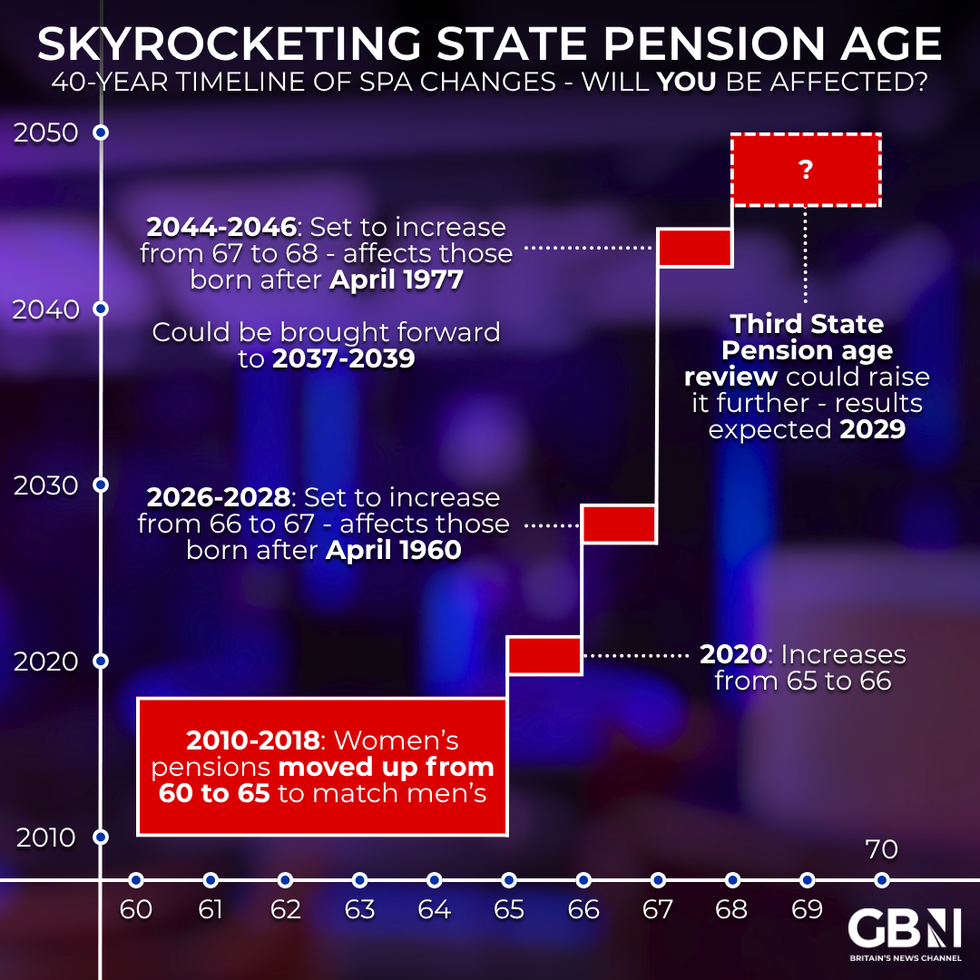 Are you affected by state pension age changes? | GETTY
LATEST DEVELOPMENTS
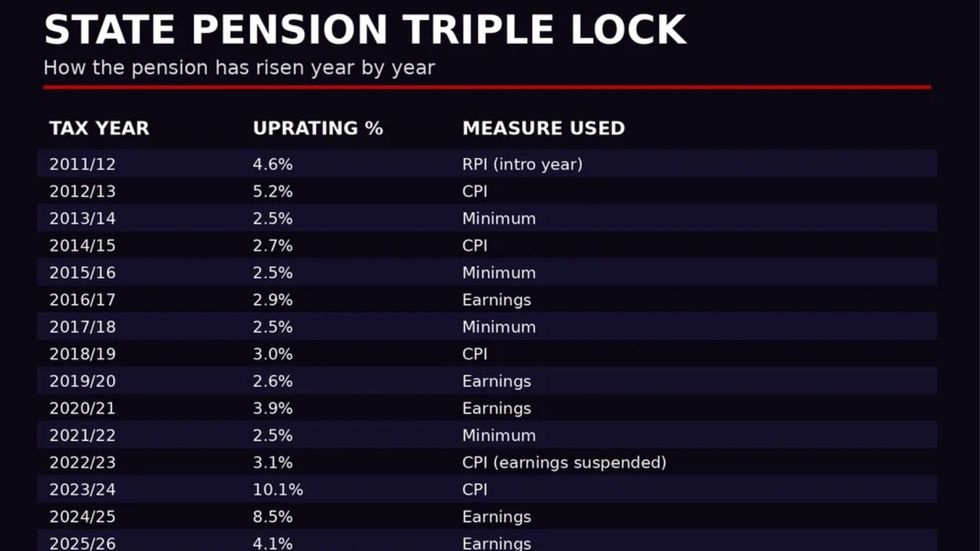 How has the state pension triple lock changed over the years | GB NEWS / FIDELITY INTERNATIONAL
 From next week, this threshold rises to ten years of UK residency or contributions. Only self-employed workers covered by international social security agreements and volunteer development workers retain access to the cheaper Class 2 rate.
Speaking to Mail Online, Andreas Hollas, technical advice director at Titan Wealth International, calculated that the "worst-case scenario" could see expats paying £25,000 more in voluntary contributions to obtain a complete state pension.
He explained: "This figure comes from the difference in cost between the current Class 2 and future Class 3 contribution rates over a full National Insurance record."
However, the actual financial burden will typically be lower since most expats already possess some qualifying years on their record. Many are also contributing to social security systems in their country of residence, potentially building pension rights there as well.

Britons make extra National Insurance contributions to get the full new state pension
| PAMr Hollas noted that a "benefit this generous was always unlikely to last indefinitely," as expats should prepare their finances appropriately ahead of any changes to policy.
Chancellor Rachel Reeves announced the changes in her last Budget, stating the measure aimed to stop overseas residents building state pension entitlement at lower rates than workers based in Britain.
The Government described the reform as addressing "the most unfair elements of these rules", while HMRC stated this month that the changes "promote fairness by ensuring that individuals building a state pension from outside the UK have a sufficient link to the UK and are paying a fairer price to do so."
The tax authority acknowledged the new rules could, in some instances, affect "family stability" should people alter their retirement or employment plans.