










iPhone users have been issued a fresh warning this week over a scam that is draining victims’ bank accounts.
Fraudsters are sending fake Apple Pay text alerts claiming there is a problem with an account, such as a declined or suspicious payment, in a bid to prompt urgent action.
The scam involves criminals dispatching bogus fraud alerts that appear to originate from Apple, warning recipients of suspicious activity on their accounts.
Consumer advocacy group ConsumerAffairs published details of the scheme on Wednesday, highlighting how these convincing messages are catching Americans off guard.
Approximately 818 million people globally rely on Apple's contactless payment service, making users an attractive target for fraudsters exploiting trust in the technology giant's brand.
Those targeted typically receive a message claiming a purchase has been attempted or declined, or that their account faces investigation and requires immediate attention.
When recipients dial the number provided in these texts, they find themselves speaking directly with criminals impersonating Apple Support staff, bank representatives, or even law enforcement officers.
The fraudsters frequently insist that the victim's funds face imminent risk, often deploying stolen personal details to lend credibility to their claims.
Callers are then subjected to intense pressure tactics, with scammers urging them to transfer money to supposedly secure accounts, withdraw cash, or send payments via Apple Pay, Apple Cash, or gift cards.
ConsumerAffairs documented one particularly alarming incident that illustrates the scheme's effectiveness. A woman received a text warning her of a questionable Apple Pay transaction and was instructed to telephone a number for assistance.
 Britons have struggled with financial fraud in recent years | GETTY
"The call connected her directly to a scammer posing as an official investigator, who ultimately convinced her to withdraw $15,000," the organisation reported. "Fortunately, a bank teller recognized the scam and told her to hang up."
The near-miss demonstrates how these operations rely on social engineering rather than technical hacking, manipulating individuals instead of breaching computer systems.
Recovery of stolen funds proves exceptionally difficult since victims effectively authorise the transactions themselves.
ConsumerAffairs identified several telltale indicators that should raise suspicion among recipients.
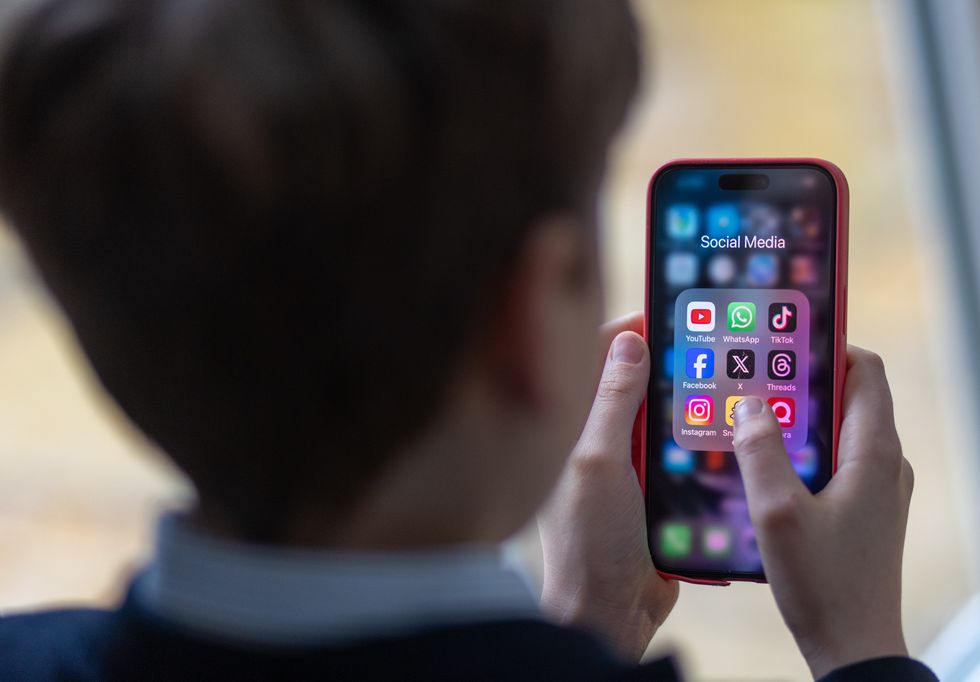
Recovery of stolen funds proves exceptionally difficult since victims effectively authorise the transactions themselves
| GETTYUnanticipated communications regarding Apple Pay activity warrant immediate caution, as do messages containing telephone numbers to ring or links to click.
Any demand for swift action represents a significant warning sign, according to experts.
Requests for passwords, security codes, or personal information should trigger alarm bells, particularly when accompanied by instructions to transfer funds.
Perhaps most critically, anyone suggesting you deceive your bank is almost certainly attempting fraud.

Experts emphasise that slowing down remains the most effective defence, as urgency and fear are hallmarks of these criminal operations
| GETTYExperts emphasise that slowing down remains the most effective defence, as urgency and fear are hallmarks of these criminal operations.
Apple has consistently maintained that it does not dispatch unsolicited text messages requesting customers to contact support or share sensitive details.
The company's official guidance states that it will never ask users to log into websites, accept two-factor authentication prompts under pressure, or reveal passwords and security codes.
"Apple will never ask you to log in to any website, or to tap Accept in the two-factor authentication dialogue, or to provide your password, device passcode or two-factor authentication code, or to enter it into any website," the company states.
Users should verify any suspicious activity directly through their device settings and contact their bank via official channels rather than numbers provided in messages.