






Chancellor Rachel Reeves's proposal to introduce price caps on supermarket essentials has triggered fierce criticism from Britain’s dairy farming sector.
Industry leaders have warned the policy could threaten the survival of farms already under severe financial pressure.
Robert Craig, chairman of the Royal Association of British Dairy Farmers, said freezing prices on products such as milk while production costs continue rising would place unsustainable pressure on producers.
Many dairy farms are currently operating close to break-even, with milk prices down by 30 per cent compared with the previous year.
Mr Craig criticised the proposal directly and said: "It's a lot of nonsense. It'll get pushed back onto primary producers."
He warned supermarkets would likely seek to offset the impact of any price cap by forcing suppliers to accept lower returns.
Mr Craig, who manages a herd of 1,600 cattle, said his own business is currently £1.4million down on revenue compared with last year.
He added: "We could not survive at this milk price long term."
Current rates offered by major dairy processors underline the pressure facing farmers across the sector.
Arla Foods is currently paying farmers close to 36 pence per litre, while Müller is offering 34.5 pence per litre.
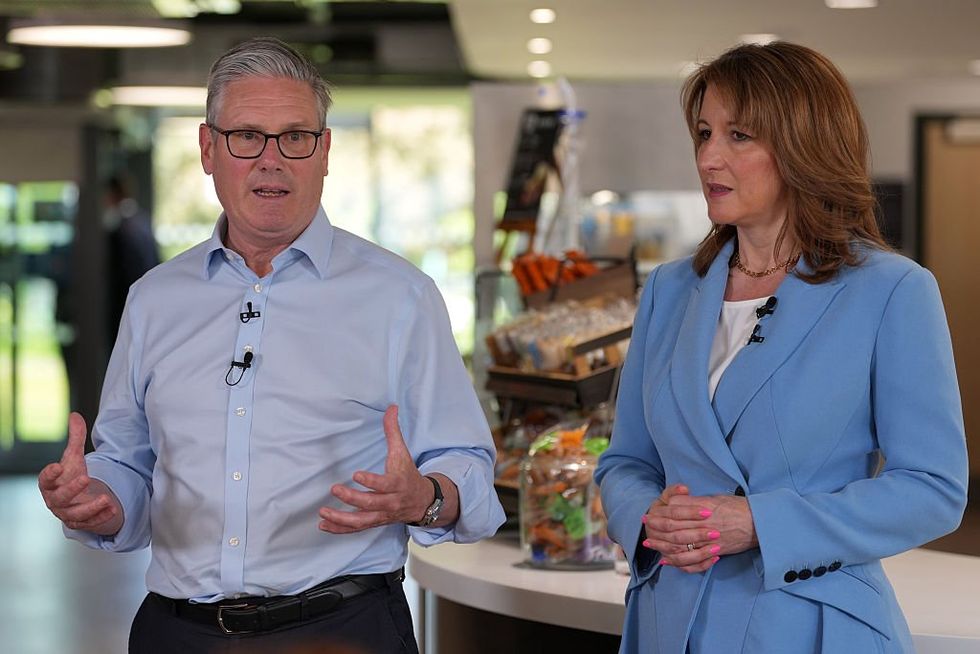
The ongoing conflict involving Iran has also increased pressure on farming businesses through higher fuel and fertiliser costs
|GETTY
Mr Craig argued that introducing price controls would weaken the competitiveness of British dairy producers and encourage retailers to rely more heavily on imported products.
Farmers said red diesel prices have risen sharply, while fertiliser costs have increased by as much as 40 per cent.
Jamie Blackett, a dairy farmer based in Dumfries and Galloway, warned price controls could have serious consequences for milk production across Britain.
Mr Blackett said: "Price caps have never worked."
LATEST DEVELOPMENTS
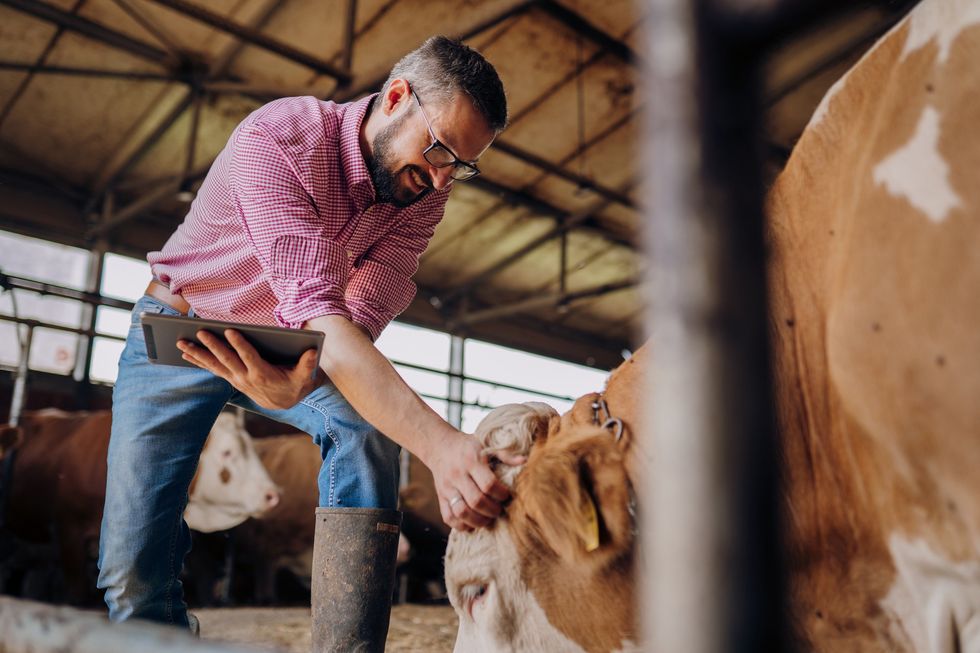
The wider outlook for British agriculture has also raised concern across the industry
|GETTY
"In the dairy industry, if there was a price cap, to the point where we weren't making any money, we'd have to cull cows and the national herd would shrink."
He explained that farmers facing cash flow difficulties could be forced to send cattle to slaughter in order to reduce losses, potentially leading to reduced milk supply and higher prices over time.
According to Farmers For Action, almost 50,000 farms have closed across the United Kingdom during the past 30 years.
The organisation said the pace of closures is now accelerating, with around 5,000 farms shutting annually, equivalent to roughly 2.5 per cent of remaining farms each year.
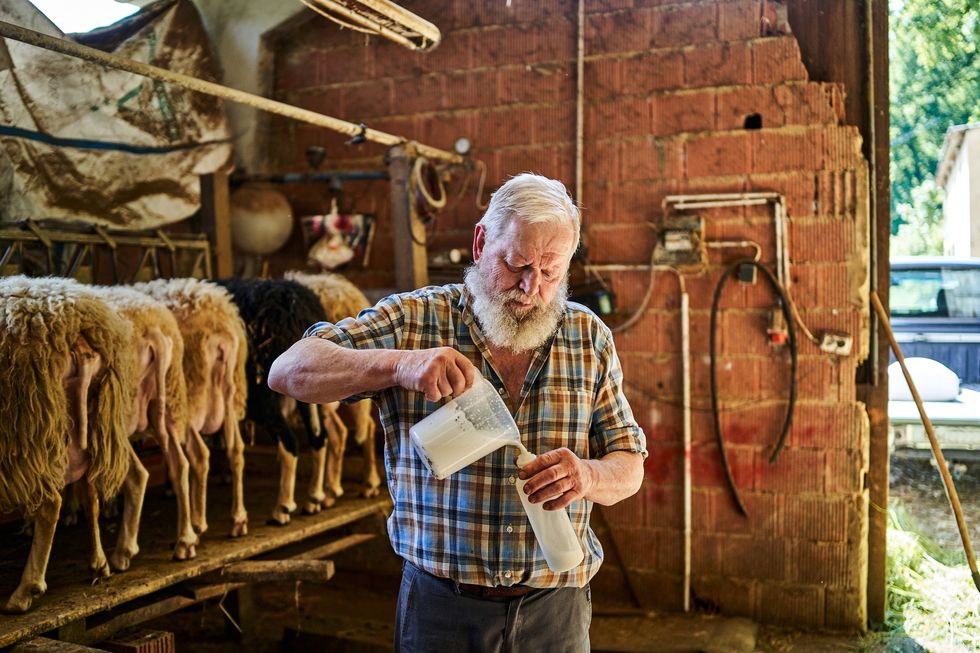
Britain currently has approximately 7,010 active dairy farmers, with numbers continuing to decline
|GETTY
Victoria Atkins, the shadow environment secretary, also criticised the Chancellor’s proposals and linked rising food prices to broader Government policy.
Ms Atkins said: "Rising food prices have been created, in large part, by anti-business policies of this Labour Government."
"Rocketing energy prices, business rates, and costly red tape, have all contributed to this food and farming emergency."
She described the proposal as a "Soviet-style solution" and warned it could ultimately increase food prices further.
The Chancellor’s plans emerged earlier this week and would reportedly involve price caps on around 20 household staple products in exchange for reducing regulatory burdens on supermarkets.
Andrew Bailey, Governor of the Bank of England, has also reportedly cautioned against introducing the scheme.
According to the Office for National Statistics (ONS), food inflation stood at 3.6 per cent in the year before the conflict involving Iran escalated, although some forecasts suggest it could reach double figures by the end of the year if energy and supply pressures continue rising.