




Britain could be heading towards one of its worst periods of job losses in more than a decade as economic pressures continue to grow.
There are also fears the Iran conflict could deepen the crisis by driving up energy costs and hurting businesses already under strain.
Redundancies across Britain have risen by 45 per cent since 2021, according to new figures obtained through a Freedom of Information request to the Insolvency Service.
Richard Hunt, director at Liquidation Centre, warned around 327,000 workers could lose their jobs in 2026 alone, with the scale of the cuts potentially rivalling levels seen during the 2009 recession.
The start of this year has already sparked concern, with 736 employers filing redundancy notices affecting more than 56,000 jobs in January and February alone.
That marks an 8.5 per cent increase compared with the same period last year. The 2025 total of 315,605 potential redundancies was already the highest since the pandemic.
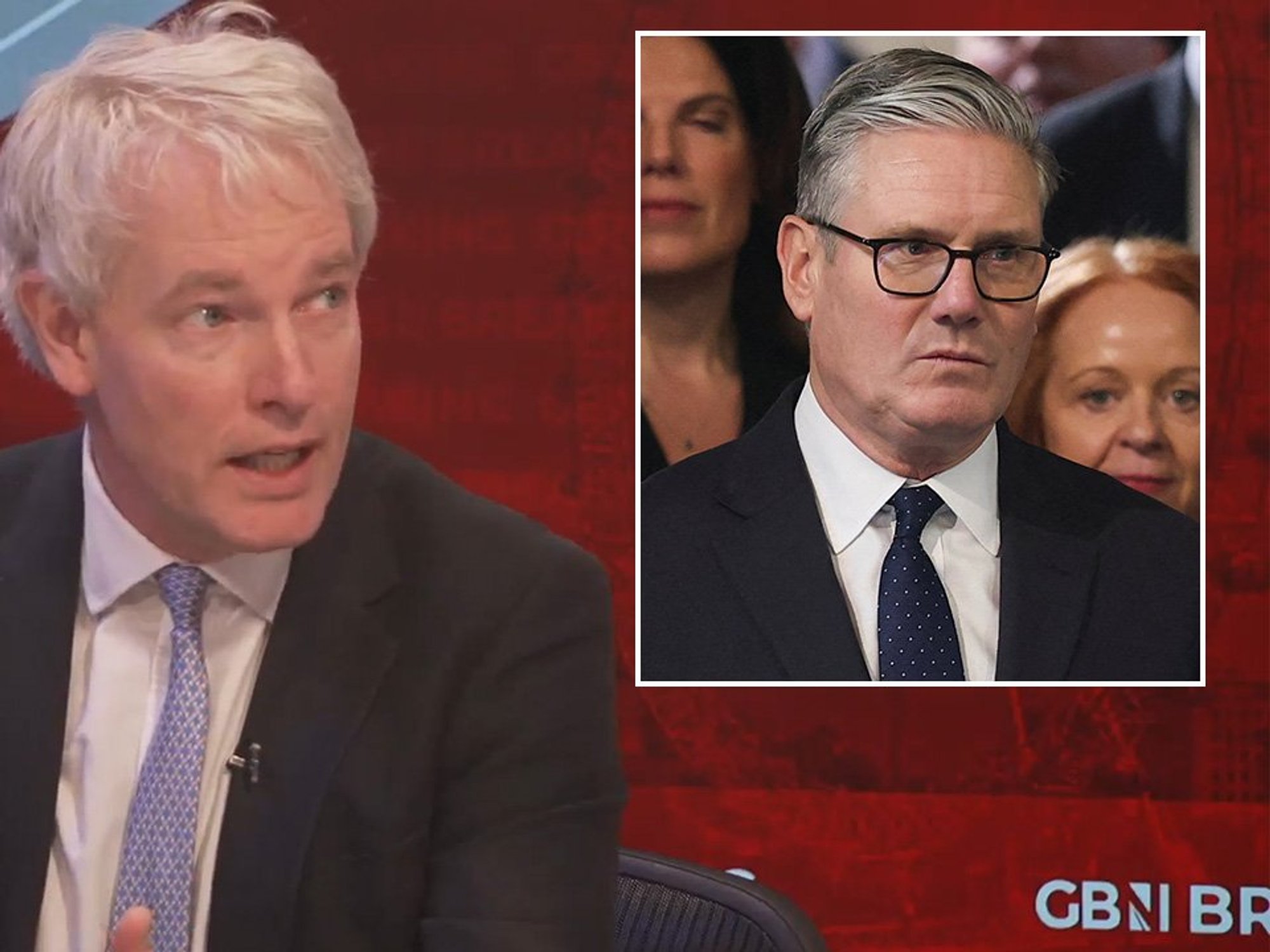
Pat McFadden, Work and Pensions Secretary has cautioned that the economic fallout from the Iran conflict may result in even more British job losses throughout the year.
Speaking to Sky News, Mr McFadden explained that the ongoing closure of the Strait of Hormuz, a vital shipping route carrying a fifth of global oil supplies, could have consequences for employment.
Mr McFadden noted the economy had been "going in the right direction" before the US-Israeli war with Iran erupted.
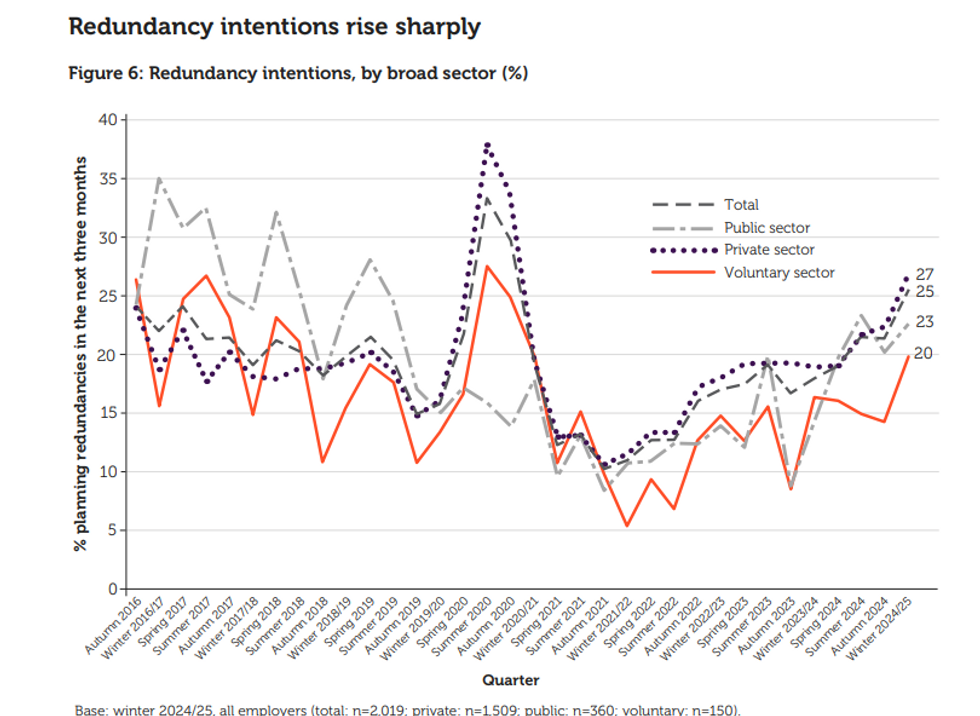
Redundancy intentions were on the rise last year
| CIPD’s latest Labour Market Outlook"The truth is, with the effect of the Iran war, we can't count on any of that at the moment," he said. "There is likely to be an effect on prices, which feeds through from energy costs, and there may well be labour market implications."
When asked directly whether this meant job losses, Mr McFadden replied: "Yes. It could happen."
UK businesses are grappling with six major challenges this year, according to Mr Hunt's analysis.
Rising operational costs, weakening consumer demand, wage inflation, and broader economic uncertainty are all squeezing firms, with Labour policy changes adding further strain.
Chancellor Rachel Reeves' tax policies, particularly the £25billion employer National Insurance hike and high business rates, are fueling a wave of business closures and insolvency, particularly in the hospitality and retail sectors.
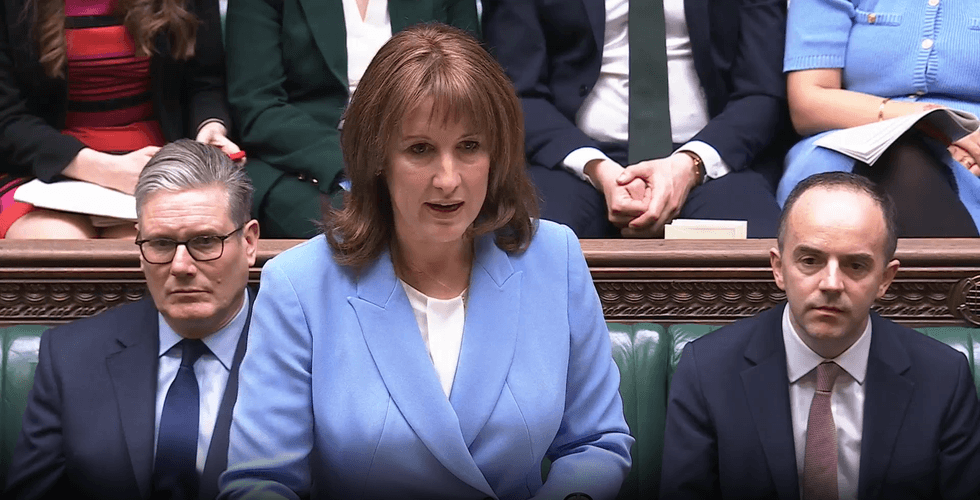 Rachel Reeves is being urged to consider more support for businesses | POOL
These higher tax burdens are causing daily pub closures and significant high street administrations, with experts warning of a "taxageddon"
The Iran conflict, which began on 28 February, has also introduced a sixth factor that was not captured in the original redundancy forecasts.
The war is already driving up energy prices, disrupting trade routes, and creating volatility across supply chains. Mr Hunt noted that unlike 2020, when the pandemic was the sole driver of job losses, the current crisis stems from multiple pressures hitting businesses simultaneously.
Some companies have been pushed into insolvency as a result.
Several well-known high street names collapsed into administration during January alone, including TGI Fridays, Claire's, and Russell & Bromley.
These failures illustrate how mounting financial strain is forcing businesses to breaking point.

Last year saw combined redundancy payouts reach £478million, reflecting the scale of workforce reductions already under way
| GETTYAs costs continue to climb and profit margins shrink, many employers are looking to technology for solutions.
Mr Hunt said firms are increasingly adopting artificial intelligence and automation to reduce expenses and remain viable.
Last year saw combined redundancy payouts reach £478million, reflecting the scale of workforce reductions already under way.
The current year's projected figure of 327,000 job losses would represent approximately 11,600 more redundancies than 2025.
With the Iran conflict adding fresh uncertainty, businesses face an increasingly difficult path ahead.