










Business groups have delivered a stark warning to Chancellor Rachel Reeves an the Labour Government as sweeping new employment legislation takes effect today.
Industry leaders caution that the reforms threaten to unleash turmoil for companies across the country.
The changes, introduced under the Employment Rights Act passed into law last year, arrive at a particularly challenging moment for British businesses.
Employers are already grappling with mounting financial pressures from multiple directions, making the timing of these additional obligations especially concerning for those responsible for hiring decisions and workforce management.
The provisions now coming into effect risk crushing economic growth and destroying jobs, according to industry representatives.
Business organisations warn that the legislation could devastate employment opportunities at precisely the wrong moment.
Neil Carberry, chief executive of the Recruitment and Employment Confederation, said: "The pressure on firms right now is to reduce employment and raise prices to make ends meet."
And with youth joblessness at an 11-year-high, he added: "All of this jeopardises employment creation and could supercharge youth unemployment in particular."
Further changes to be introduced at a later date in stages up to 2027 include guaranteed minimum hours for those on zero or low hour contracts.
Mr Carberry said plans to introduce the minimum hours rule were "totally unworkable as currently conceived".
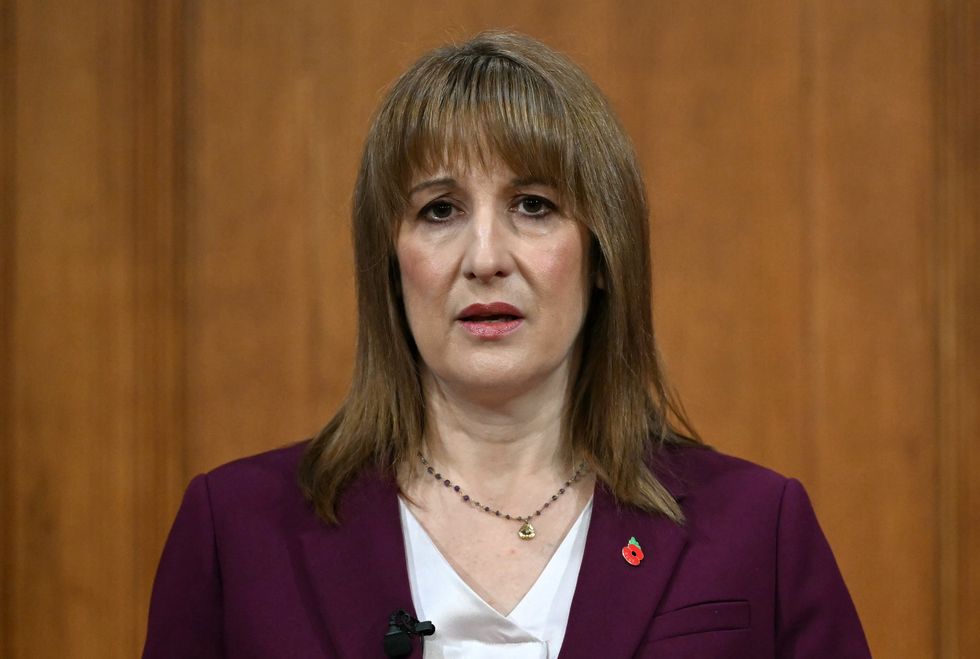 Rachel Reeves has pledged she will make 'fair decisions' at her next Budget | PA
He added: 'The changes to statutory sick pay introduced this week will also cause chaos if not coupled swiftly with better guidance for firms, as a small minority of workers will try to defraud firms."
The reforms arrive as firms contend with a perfect storm of Government-imposed costs that have already strained their finances.
With consumer spending potentially under threat from rising living costs, employers fear the new rules will compound an already difficult trading environment.

From today, workers gain the right to statutory sick pay from their very first day of illness
| GETTYFrom today, workers gain the right to statutory sick pay from their very first day of illness, replacing the previous system that only provided payments from the fourth day onwards.
Paternity leave has also been transformed into an immediate entitlement for new employees, eliminating the former requirement to complete six months of service before qualifying.
Tom Way, heading Hays' UK and Ireland operations, acknowledged the legislation aims to improve workplace fairness but said it has "added another layer of complexity to decisions businesses were already taking longer to make."
Employers are simultaneously battling National Insurance increases and substantial minimum wage rises that took effect just last week.

This combination of factors threatens to trigger a cost-of-living crisis that could suppress consumer demand
| GETTYThe conflict in the Middle East has created additional headaches, pushing up energy costs and other expenses for businesses already operating on tight margins.
This combination of factors threatens to trigger a cost-of-living crisis that could suppress consumer demand, leaving companies facing reduced sales alongside higher operating costs.
Business rates reform has also been criticised as botched, adding yet another burden to the mounting pile of challenges confronting British employers during this turbulent economic period.