







Chancellor Rachel Reeves has signalled the UK's readiness to tap emergency oil stockpiles as the Iran conflict continues to disrupt global energy markets.
Speaking before the Treasury select committee on Wednesday, Ms Reeves said the UK would be prepared to release strategic reserves alongside international partners if required.
The Chancellor said: "The UK is willing to play its part in using those reserves to put downward pressure on oil prices and ensure that supply remains strong."
Her comments come as G7 nations coordinate their response to escalating tensions in the Middle East which have severely disrupted shipping through the Strait of Hormuz.
Ms Reeves said the Government is working closely with Gulf allies, G7 partners and the insurance sector in an effort to restore vessel movements through the waterway as quickly as possible.
The International Energy Agency has proposed what could become the largest coordinated release of strategic oil reserves in history.
According to reports, the organisation is urging member states to unlock more oil than the 182 million barrels released following Russia's invasion of Ukraine in February 2022.
The IEA's 32 member nations are expected to reach a decision on the proposal later today.

UK ready to use emergency oil reserves as Iran conflict disrupts global supply
| ParliamentA coordinated release could help ease pressure on global oil markets which have been shaken by the near-complete shutdown of the Strait of Hormuz.
The narrow waterway connects the Persian Gulf to the Gulf of Oman and handles around one fifth of the world's oil and gas exports.
Its disruption has raised concerns about global energy supply and triggered sharp movements in oil prices.
Japan has already moved to release reserves, becoming the first major economy to take such action in response to the crisis.
LATEST DEVELOPMENTS
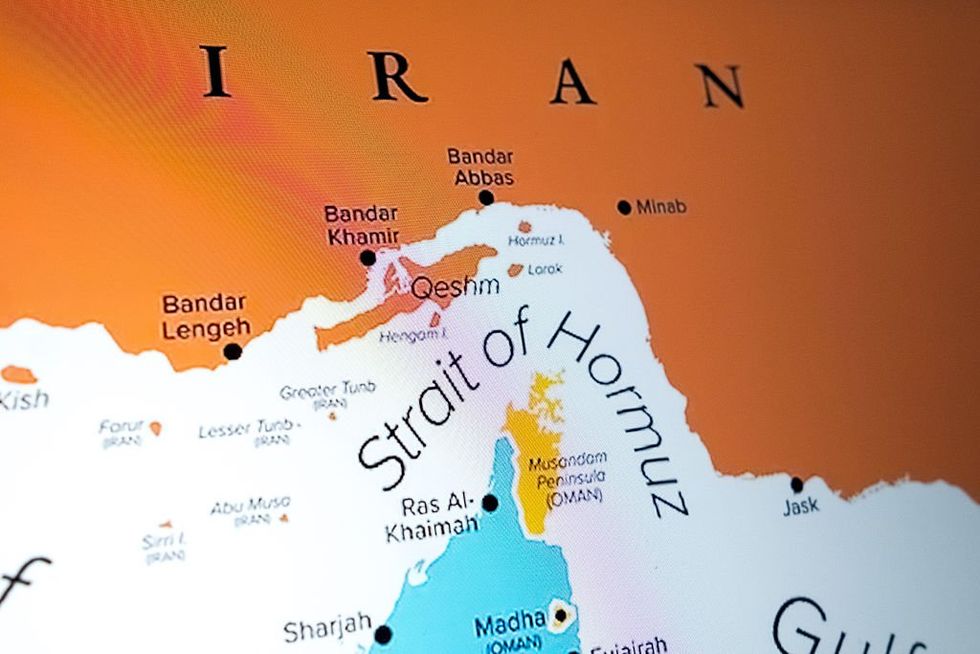 The Strait of Hormuz is a key shipping lane | GETTY
Prime Minister Sanae Takaichi announced on Wednesday that Tokyo would not wait for formal IEA approval before unlocking stockpiles.
Ms Takaichi said: "Rather than wait for formal IEA approval of a coordinated international reserve release, Japan will act first to ease global energy market supply and demand, releasing reserves as early as the 16th of this month."
The Japanese Government plans to release 15 days' worth of private sector reserves alongside one month of national stockpiles.
Those supplies will be directed immediately to domestic refiners.
Japan has moved quickly because of its heavy reliance on Middle Eastern oil imports.
Around 95 per cent of the country's oil supply originates from the region.
Petrol prices in Japan have already climbed to their highest levels since December as the crisis affects global markets.
G7 energy ministers have backed the principle of releasing strategic reserves following talks earlier this week.
Finance ministers from the same group also met on Monday alongside officials from the International Energy Agency.
However, they initially stopped short of committing to a coordinated release of oil stockpiles.
Oil markets have experienced considerable volatility as the conflict has intensified in recent days.

Brent crude price on Wednesday
|Google finance
Brent crude has fluctuated sharply between $86 and $91 per barrel.
The instability increased overnight when British security forces confirmed a cargo vessel travelling through the Strait of Hormuz had been struck by what they described as an "unknown projectile".
Iran has warned it could target ships travelling through the strategic route.
Meanwhile the United States has escalated military operations by deploying bunker-busting munitions against underground missile installations linked to the Iranian regime.
Officials are continuing to monitor the situation as governments assess the potential impact on global energy supplies and financial markets.