









Britain’s jobs market has worsened sharply, with 2025 seeing the highest number of redundancy warnings since the Covid pandemic in 2020.
Around 315,605 jobs were at risk last year, with payouts totalling £477,709,323, new figures have shown.
UK businesses are facing mounting pressure as rising costs, weaker demand and ongoing economic uncertainty take their toll. Figures from the Insolvency Service, obtained through a Freedom of Information request by Liquidation Centre, highlight the growing strain.
By the end of 2025, unemployment had climbed to 5.2 per cent, the highest level in almost five years, as more employers cut jobs or faced the risk of collapse.
The start of 2026 has offered little relief as between January and February, 736 employers submitted redundancy proposals, putting 56,396 jobs at risk - an increase of nearly nine per cent compared with the same period last year, when 51,905 roles were under threat.
Perhaps most alarming is the parallel with Britain's last major economic downturn.
February 2026 saw 430 HR1 advance notice forms filed with authorities, virtually matching the 433 submissions recorded in February 2009, just months before the recession reached its peak.
Since redundancy notifications are typically lodged weeks or months ahead of actual dismissals, the elevated warning levels from 2025 are expected to continue feeding through into job losses this year.
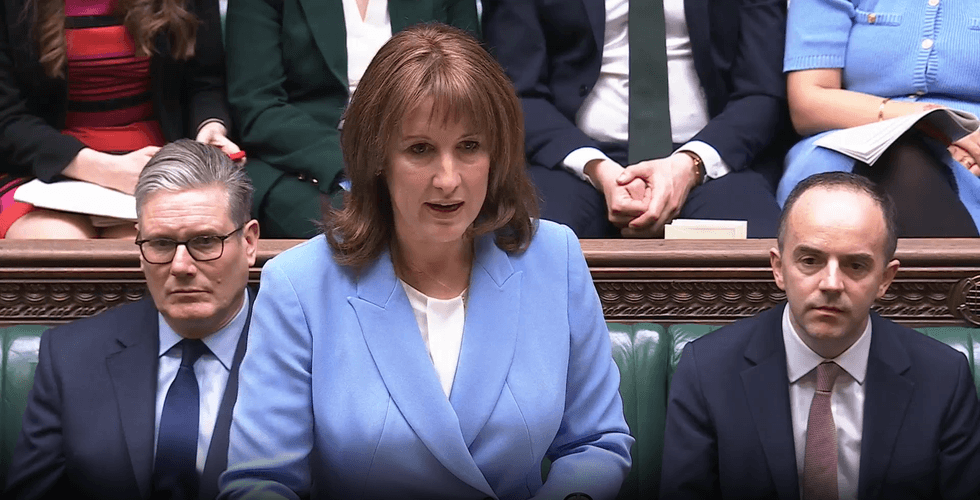
Rachel Reeves is being urged to consider more support for businesses
| POOLLiquidation Centre's analysis of historical trends projects that 2026 could witness approximately 327,227 redundancies—some 11,622 more positions eliminated than the previous year.
This represents a 3.7 per cent rise, though notably less steep than the 18.1 per cent surge experienced between 2024 and 2025.
The cumulative toll on British workers has been substantial. Over the six-year span from 2020 to 2025, more than two million redundancy warnings were issued, totalling 2,087,709 notifications. Job losses increased by 45 per cent between 2021 and 2025.
 The number of unemployed people per job vacancy is at a new post-pandemic high | GB NEWS
Multiple factors are converging to squeeze employers: heightened operating costs, wage pressures, increased taxation including higher employer National Insurance contributions, and broader economic uncertainty.
Richard Hunt, Director at Liquidation Centre, attributes the crisis to fundamental shifts in how businesses operate rather than a single catastrophic event.
"Redundancies are happening at a rapid pace in the UK as the economy continues to change and industries adapt, including automation and AI," he said.
"Unlike in 2020, when redundancies were largely driven by a single crisis, the rise in redundancy warnings in 2025 appears to reflect more ongoing pressures on employers."
Mr Hunt warned that 2026 is "already shaping up to be an unfortunate record year for redundancies," citing intensified competition, living costs, taxation, and wage inflation as primary drivers.
Global political instability compounds domestic challenges, he added, with disrupted trade routes, supply chain problems, and deteriorating business confidence placing additional strain on companies across the country.