







Rachel Reeves has announced that she will stick to her "iron-clad fiscal rules" in the face of the war in Iran, warning that Labour “will not allow firms to exploit this crisis”.
The chancellor stopped short of announcing specific support for households, but hinted at future help for those on lower-incomes, with wealthier families set to miss out.
Addressing MPs, she said there is “contingency planning for every eventuality” as ministers assess the impact of the Iran conflict on prices and the next energy cap.
She confirmed plans for a new "anti‑profiteering framework", giving the Competition and Markets Authority (CMA) time‑limited powers to identify and clamp down on unjustified price hikes at the pump and in supermarkets.
TRENDING
Stories
Videos
Your Say
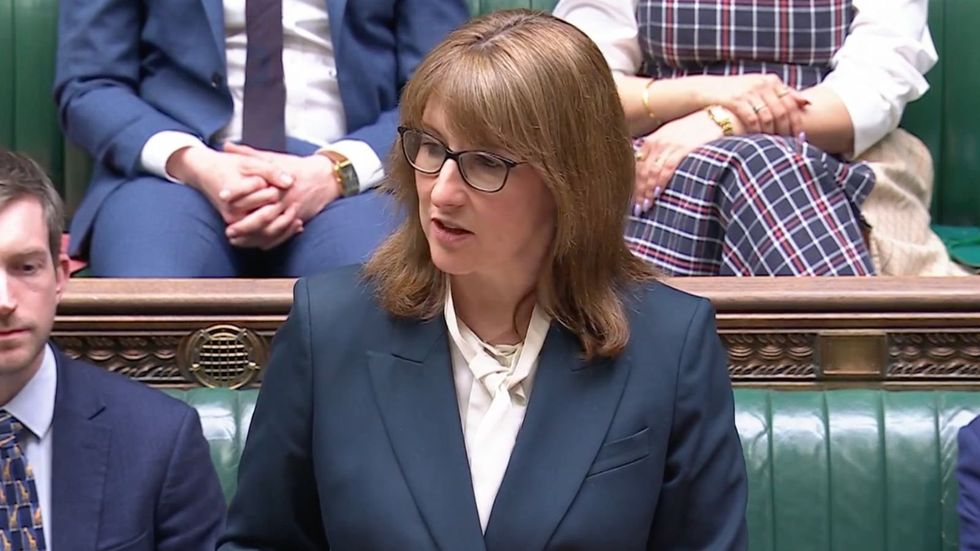
Rachel Reeves announced the package of measures in Parliament
|Parliament
The Chancellor insisted Labour was “acting now to protect households” as oil and gas costs continue to rise, and signalled that further support for energy bills is being prepared ahead of the next price cap, which is forecast to hit a three‑year high this summer.
She also set out steps to strengthen the UK’s long‑term energy security, including pushing ahead with nuclear projects and exploring Government‑backed indemnities to prevent critical infrastructure being stalled by legal challenges.
She welcomes the move to release global oil reserves to ease immediate pressure on supply.
The first strand of the Government’s response is international coordination, arguing that “the best way to protect families and businesses is rapid de‑escalation of this conflict”.
She then highlights the Labour’s push to strengthen the UK’s long‑term energy security, pointing to investment in renewables and insisting the domestic oil and gas sector “must continue to play a role in our energy system for decades to come”.
She confirms plans to accelerate the expansion of nuclear power, and ministers are “developing options to back critical energy projects with indemnities if their planning consent is challenged, so that we don’t waste a single moment in protecting our energy security”.
Her response also includes aims to keep inflation and interest rates as low as possible.
"This is not a war we started, nor is it a war that we joined unlike the advice of the parties opposite. But it is a war that will have an impact on our country," she says.
Ms Reeves adds that the challenges of the war "may be significant" but she promises to do "what is right and fair", adding that this includes being "responsive in a changing world and responsible in the national interest".
The response is unlike that of in 2022, where universal household energy subsidy was deployed by Liz Truss after Russia’s full-scale invasion of Ukraine.
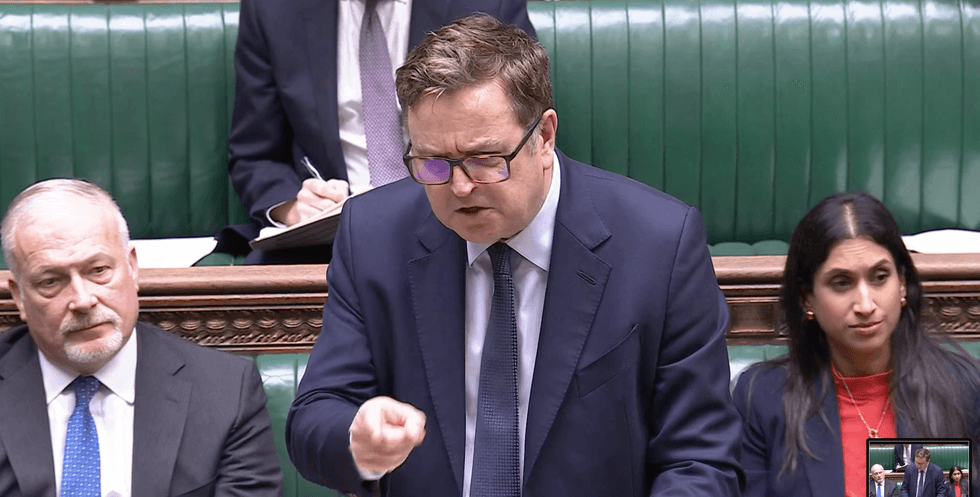
Mel Stride slammed the measures
|GETTY
Responding to the statement, Shadow Chancellor Sir Mel Stride said the British economy “is in tatters”, accusing Rachel Reeves of failing to deliver the “stability and resilience” needed to withstand the current shock.
He says that when Labour entered office she “ramped up borrowing and spending and hiked taxes to record levels”, despite warnings from the Office for Budget Responsibility (OBR) and others that her approach would mean “higher inflation, higher borrowing costs, higher interest rates” and job losses — “all of which has come to pass”, he claims.
In her reply, Ms Reeves accused the shadow chancellor of being “utterly out of his depth”.
She told the House that since taking office there have been six interest‑rate cuts, fiscal headroom has doubled compared with the position she inherited, the deficit has been reduced, and wages have been rising faster than inflation.
“I prefer my record to their record any day of the week.”