










Analysis from the Office for Budget Responsibility (OBR) suggests that pension salary sacrifice reforms announced in last year's Budget may affect far more workers than ministers initially claimed.
The fiscal watchdog's supplementary figures indicate the policy's impact could reach well beyond higher earners, despite the Labour Government's assurances to the contrary.
Starting April 2029, pension contributions through salary sacrifice exceeding £2,000 annually will attract both employee and employer National Insurance charges.
Government estimates put the number of employees using salary sacrifice for pensions at approximately 7.7 million, with around 3.3 million contributing above the threshold.

More people will lose out than expected from Rachel Reeves's tax on pensions
|GETTY
Ministers maintained that only this latter group would face adverse consequences, leaving 4.3 million lower contributors fully protected.
The OBR's analysis, requested by LCP partner Steve Webb, identified three principal routes through which the changes could spread to the broader workforce.
Employers might abandon salary sacrifice arrangements entirely, either boosting pension contributions instead of wages or cutting base pay while raising contributions.
Operational remuneration rules would require such adjustments to apply company-wide, potentially suppressing pay rises for those below the threshold.
 Workers have been taking advantage of workplace salary sacrifice schemes | GETTY
LATEST DEVELOPMENTS
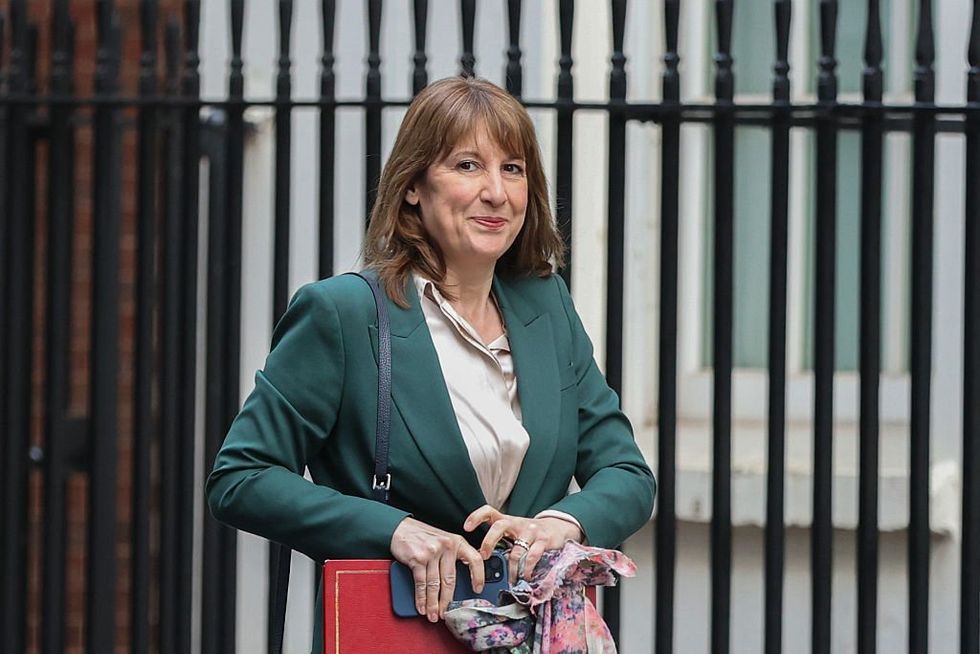
Rachel Reeves is
| GETTYSome staff could be shifted to standard contribution methods, including relief-at-source schemes, stripping them of National Insurance contribution benefits regardless of contribution size.
Additionally, the OBR projected employers would transfer roughly three-quarters of extra National Insurance contribution costs onto workers through reduced wages.
The OBR's costings factored in substantial behavioural shifts from both employers and workers, cutting the measure's projected long-term revenue by nearly half compared to static calculations.
The fiscal watchdog acknowledged it lacks comprehensive distributional data showing who will ultimately shoulder the reform costs, stating that detailed analysis would need to come from HMRC and the Treasury.
 Workers could be worse off than non-workers | GETTY
These findings have already sparked mounting unease among employers and pension savers about the financial and strategic consequences. Mr Webb warned that the OBR's findings undercut ministerial claims about protecting ordinary workers from the changes.
He said: "The Budget change to salary sacrifice rules around pensions was a huge measure which will cause employers to rethink their pay and pensions policies.
"Far from ordinary workers being 'protected' from the changes, we could see millions of people on modest incomes losing out as well, further undermining their incentive to save in a pension."
The former pensions minister called on the Government to provide clarity on the genuine scale of losses rather than maintaining that typical workers would remain unaffected by the reforms.