









A Labour planning inspector has blocked Berkeley Group’s plans to build 867 homes on the site of Peckham’s ageing Aylesham shopping centre.
It comes after ruling that the development would damage the area’s historic character.
The Planning Inspectorate rejected the scheme on Monday, concluding the proposed tower blocks would appear "overly domineering" within the surrounding low-rise neighbourhood and fail to complement nearby heritage assets.
The decision represents a setback for Labour’s wider housebuilding ambitions and sparked a strong reaction from both developers and local campaigners.
Southwark council leader Sarah King welcomed the ruling, describing it as "a great day for Peckham."
Inspectors concluded the development would have been refused even if Berkeley had delivered its original proposal of 35 per cent affordable housing because of concerns surrounding the impact on the area’s character and heritage.
Planning documents described the proposed facades as "uninspiring" and "overly uniform", adding they did not respond appropriately to Peckham’s historic village centre.
The Aylesham Centre site has been earmarked for redevelopment since 2014 but has remained largely unchanged throughout years of planning disputes and consultations.
Berkeley Group executive chairman Rob Perrins criticised the decision and warned it could discourage developers from investing in London.
Mr Perrins said: "The inspector clearly values heritage impacts over housing delivery and this position would make development impossible in just about any town centre."
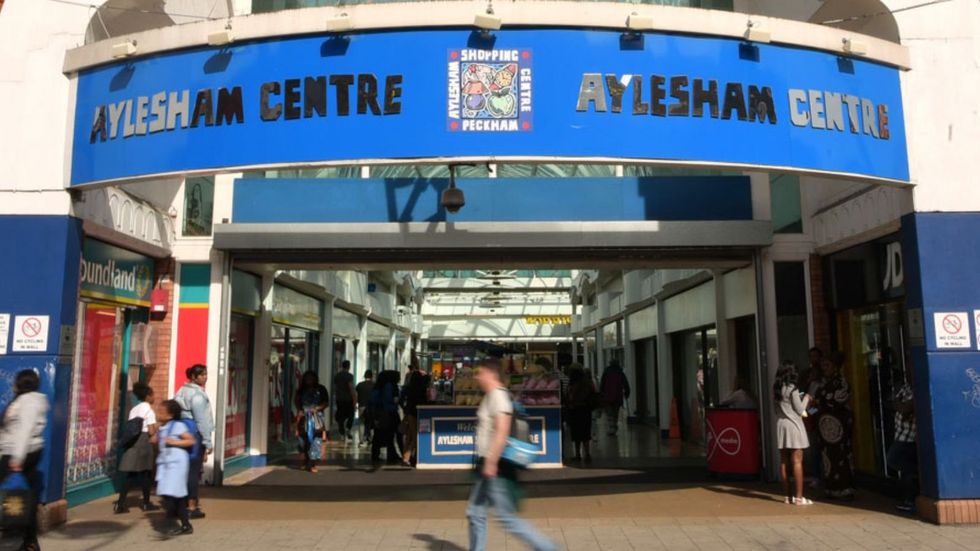
He also questioned how housing targets could be met if brownfield developments continued to face resistance
|Aylesham centre
"How can we be allowed to build next to world heritage assets like Tower Bridge, but not here?
"If we're no longer permitted to meet housing needs on brownfield land, then where should we build?
"It would take hundreds of acres of green belt to deliver this many homes."
Sir Stuart Lipton, a property developer not involved in the project, also backed Berkeley’s position.
He said: "The days of defending every piece of heritage are long gone. Preserve the best, develop the rest."
LATEST DEVELOPMENTS

The Aylesham Centre, which opened in 1988, has deteriorated significantly in recent years and now contains a mix of partially vacant retail units and small independent traders
|GETTY
A domed arcade still runs through the centre, although much of the site is occupied by only a small number of market stalls, furniture stores and greengrocers.
One trader described ongoing maintenance issues at the site and said: "There's water coming out of everywhere."
The shopping centre has continued deteriorating while the long-running planning dispute remains unresolved.
Some residents argued redevelopment was necessary to improve the area and increase housing supply.
Local resident Sam Bowman wrote on social media that it was "baffling that some people think the squalid Rye Lane is something to try to preserve instead of trying to bring up to the standard of its surroundings."
Berkeley has indicated it may appeal the ruling, although no final decision has yet been announced.
Campaigners who opposed the plans argued the scheme would have accelerated gentrification and displaced local businesses and residents.
Aylesham Community Action claimed the development would have amounted to "gentrification on steroids" while harming Peckham’s historic identity.
Jed Holloway, of Southwark Law Centre, who represented opponents to the scheme, said: "Allowing developer viability to dictate what can be built is the tail wagging the dog.
"Once you develop the site it's gone."
Residents also expressed differing opinions over the level of affordable housing proposed within the development.
Florence Brown, a local mother who is moving to Lewisham because of rising housing costs in Peckham, dismissed arguments about affordability constraints as "a load of rubbish."
Policy experts also raised concerns over the implications of the ruling for London’s housing supply.
Ben Hopkinson, head of housing and infrastructure at the Centre for Policy Studies, said: "The shopping centre has zero affordable homes, so you've lost a place for around 80 families to have social housing."
The scheme ultimately proposed 77 affordable homes within the 867-home development after reductions from an earlier 35 per cent target.
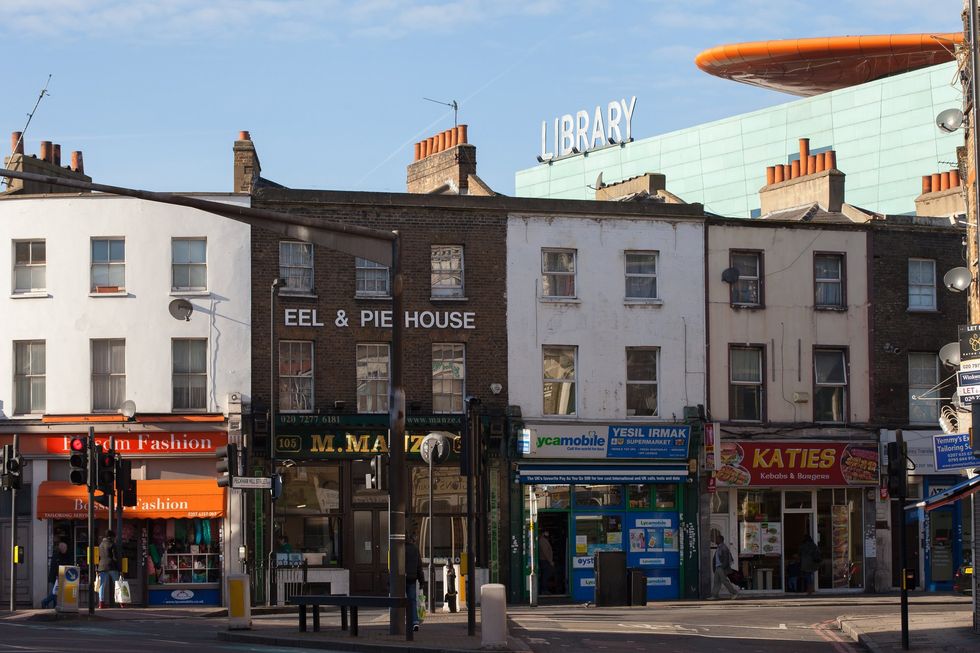
Think tank analysts said the decision reflected wider problems within England’s planning system
|GETTY
Anthony Breach, associate director at the Centre for Cities, said: "A very large development, one per cent of London's annual housing target, can be blocked for reasons that are ultimately quite subjective."
Sam Richards, chief executive of Britain Remade, described the ruling as "bonkers" given the scale of London’s housing shortage.
Mr Richards said: "This was not a choice between 77 affordable homes and a better scheme with hundreds more, it was a choice between 77 affordable homes and none."
He also compared London’s housing delivery with Manchester, where significantly more city-centre homes have been built in recent years.
Mr Richards said the debate raised broader questions for Labour over future housing policy and urban development priorities.