








Oil prices have surged to their highest level since 2022 amid fears that the United States is preparing potential military action against Iran.
Brent crude briefly rose above $126 per barrel during early trading before easing to around $122 as European markets opened, marking the highest level since Russia’s invasion of Ukraine triggered global energy market turmoil.
Reports from Axios said US Central Command has drafted plans for “short and powerful” strikes aimed at breaking the current diplomatic impasse with Tehran.
The proposed options are reported to include targeting Iranian infrastructure, while another plan under consideration involves taking control of parts of the Strait of Hormuz to restore commercial shipping.
Around one‑fifth of global energy supplies typically pass through the strait, making disruption a significant concern for markets.
Yeow Hwee Chua said: “Oil traders have reacted quickly to the possibility of further military action in the Gulf.”
He said even limited escalation could have “outsized implications” for global energy supply. West Texas Intermediate crude also rose, increasing 1.4 per cent to about $108 per barrel.
The conflict is now nearing its tenth week, exceeding initial expectations of a shorter campaign.

Oil price hits $126 as US considers Iran strikes and Strait of Hormuz risks escalate
|GETTY
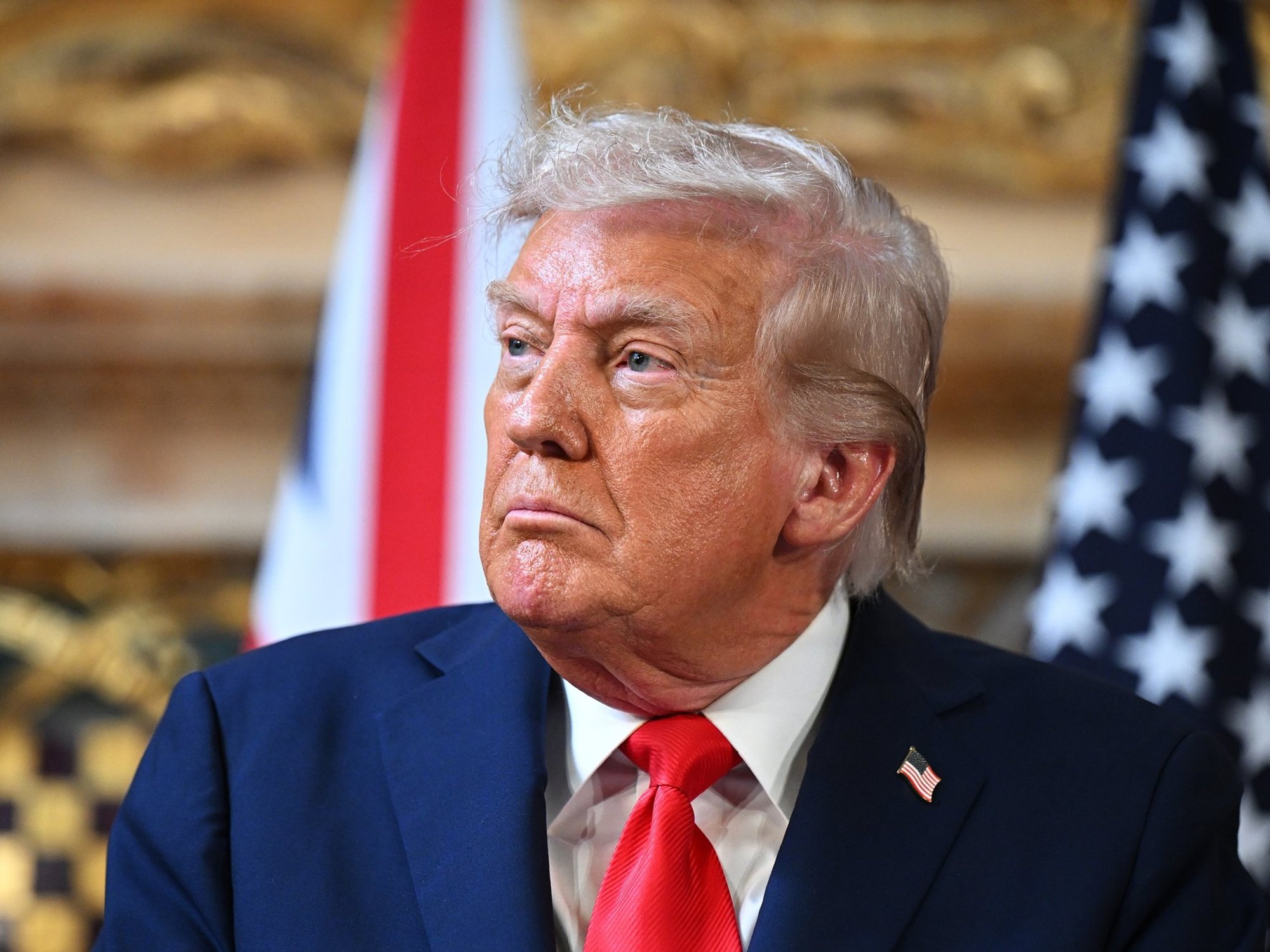
Donald Trump said Iran “better get smart soon” and discussed maintaining the blockade for an extended period, according to a White House official.
He added: “The blockade is somewhat more effective than the bombing.”
The reported closure of the strait removes close to 20 million barrels of oil per day from global supply, and US officials believe sustained pressure could force Iran to halt production as storage capacity fills.
Oxford Economics warned a six‑month disruption could push oil prices as high as $190 by August.
LATEST DEVELOPMENTS
 |
| GETTY
Jim Reid said rising oil prices are driving “growing fears about an extended stagflationary shock”. Government bond yields have also increased, with UK gilt yields reaching 5.07 per cent, their highest level since 2008.
German Bunds rose to 3.11 per cent, a peak not seen since 2011.
Meanwhile, stock markets fell across Asia and Europe. Japan’s Nikkei dropped 1.1 per cent and South Korea’s Kospi declined 1.4 per cent.
Germany’s Dax fell 0.6 per cent and France’s Cac dropped 1.2 per cent, while London’s Ftse 100 opened flat.
Paul Krugman said “a full‑on global recession is more likely than not if the strait remains closed for, say, another three months.”
UK households are also facing rising costs linked to the situation.
The Resolution Foundation estimates higher energy prices will leave the average working‑age household £480 worse off this year.
Fuel prices have increased, with filling a typical 55‑litre petrol car costing £14 more than before the conflict, while diesel has risen by £27 per tank.
Mortgage rates have also climbed, with the average two‑year fixed deal rising from 4.83 per cent at the start of March to 5.87 per cent, according to Moneyfacts.
Energy bills are expected to increase from July, with Cornwall Insight forecasting a typical dual‑fuel household will pay £1,836 annually under the new price cap, up from £1,641.
The UK economy faces a potential £35billion hit this year alongside increased recession risks, according to analysis from a think tank.