








Martin Lewis has warned that millions of households face a “ticking timebomb” on their energy bills as global fuel prices surge amid the conflict involving the United States, Israel and Iran.
The MoneySavingExpert founder said families could see costs rise by as much as 30 per cent if elevated oil and gas prices persist for several months.
Speaking on ITV’s Good Morning Britain, Mr Lewis said prolonged disruption in global energy markets could translate into significant increases in household bills.
“This is the key nodal point for whether it’s going to really explode and whether there is a ticking timebomb or not,” he said.
TRENDING
Stories
Videos
Your Say
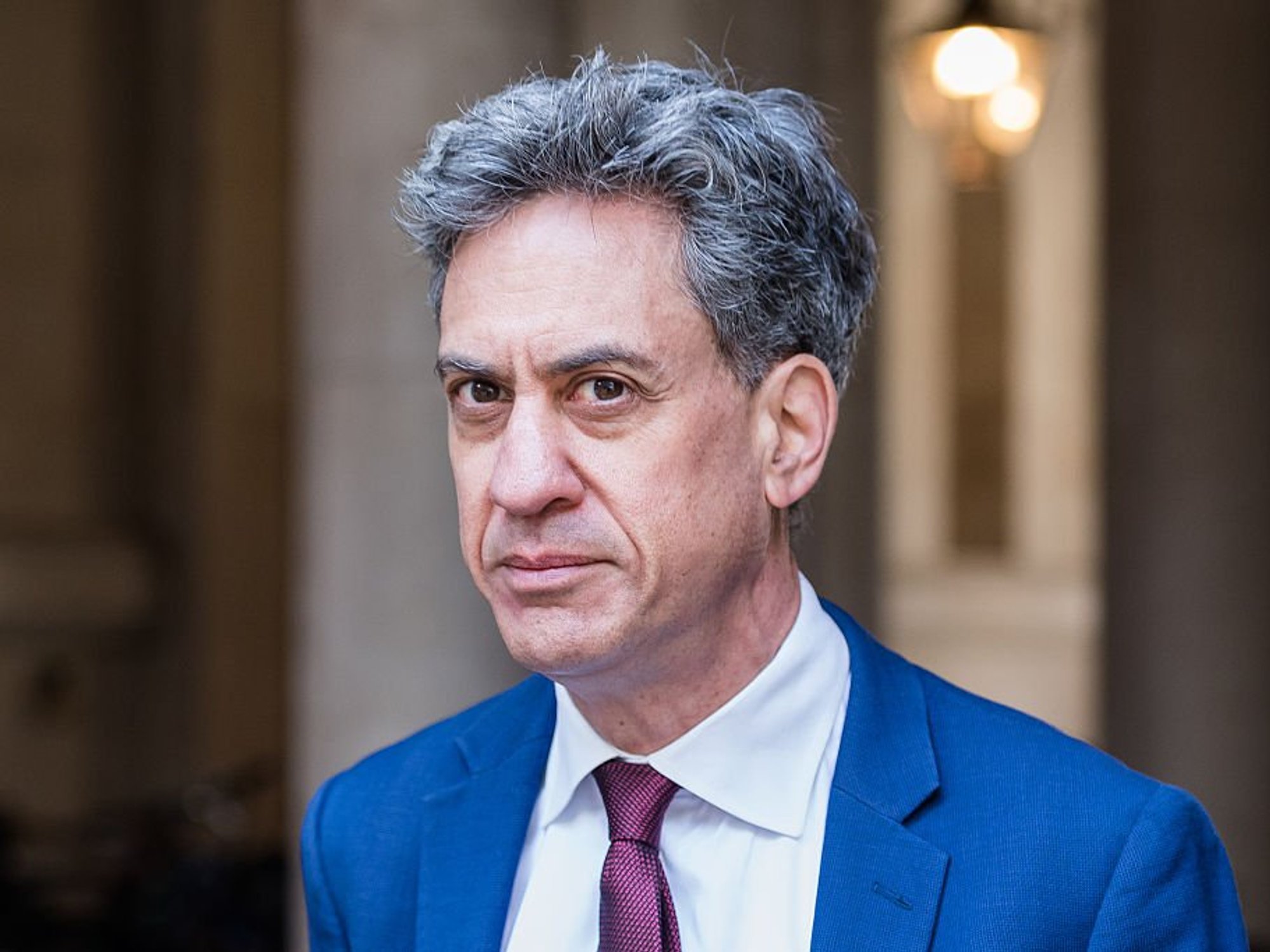
Mr Lewis revealed he has recently held discussions with Energy Secretary Ed Miliband about the potential impact on UK households.
He said it remains unclear whether July’s energy price cap rise will be modest or sharply higher, warning that bills could increase by five to 10 per cent — or by as much as 20 to 30 per cent if wholesale prices remain elevated.
“It could be five to 10 per cent or it could be 20 to 30 per cent which really hurts people,” he said.
The decisive moment will come in May when Ofgem announces the next price cap, which will apply from July.
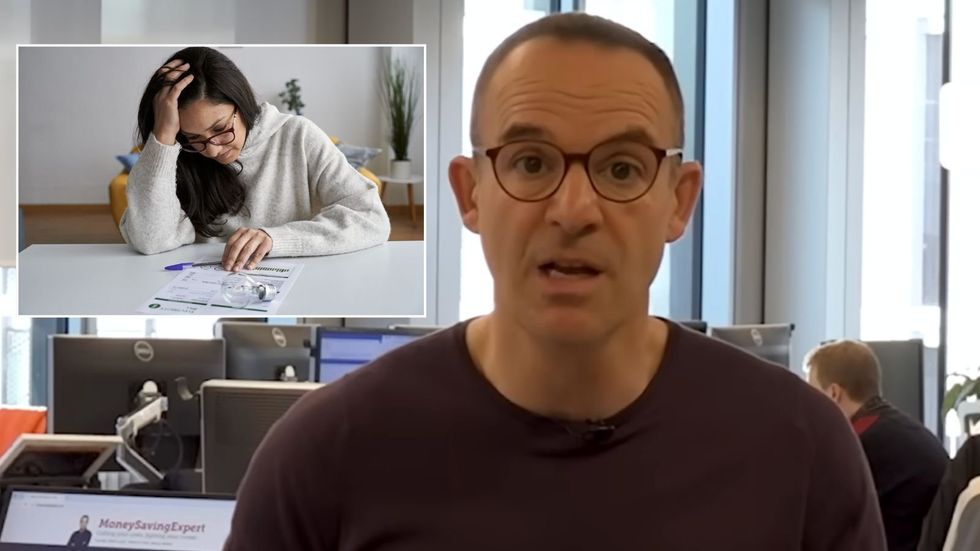
Prolonged oil and gas price rises could force Government intervention
|Martin Lewis/GETTY
Mr Lewis said the Government’s response will depend heavily on wholesale market conditions at that point.
If prices fall, ministers may argue that the impact is limited to a low‑usage period and that cheaper fixed deals will be available.
But if high prices persist into May, he warned the outlook could worsen, with ministers potentially needing to consider intervention if winter costs also look set to remain high.
Concerns about the wider economic impact have also been raised by Britain’s fiscal watchdog.
LATEST DEVELOPMENTS
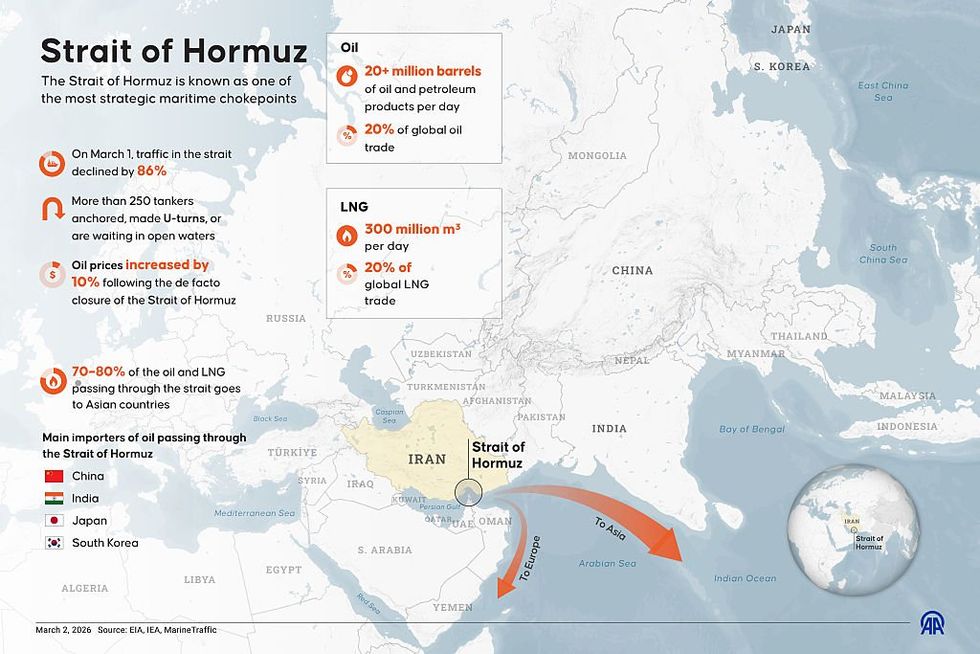 The Strait of Hormuz is one of the most important shipping routes in the world, especially for oil exports | GETTY
The Office for Budget Responsibility (OBR) has warned that the conflict could push UK inflation to three per cent this year, up from its previous two per cent forecast.
Professor David Miles, a member of the OBR’s budget responsibility committee, said the potential consequences “would be significant and completely unwelcome”.
The British Chambers of Commerce (BCC) has similarly predicted that inflation is likely to remain above the Bank of England’s two per cent target.
Global oil markets have already reacted sharply.
Prices briefly rose above 100 dollars per barrel earlier this week following US and Israeli strikes on Iran, before falling back below 90 dollars after Donald Trump suggested the conflict could be nearing an end.
Economists nonetheless warn that the turmoil may continue to push inflation higher for an extended period.
Keir Starmer and Rachel Reeves have both acknowledged the potential economic fallout.
Ms Reeves told MPs the situation was “likely to put upward pressure on inflation” in the months ahead.
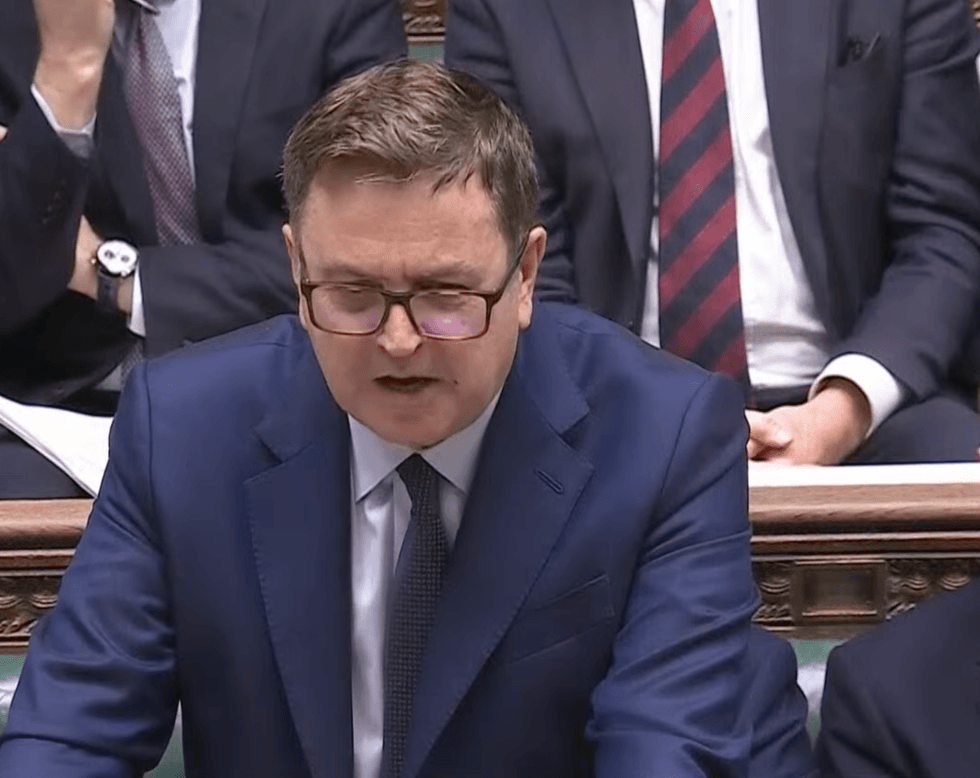
Mel Stride urged a rethink of the policy
| GB NewsFollowing talks with G7 counterparts, the Chancellor indicated the UK could support a coordinated release of international oil reserves and said efforts were being made to protect energy supplies passing through the Strait of Hormuz, a route that carries around one fifth of the world’s oil.
Despite rising pressure, Ms Reeves has rejected calls from opposition politicians to cancel planned fuel duty increases.
Shadow Chancellor Mel Stride urged the Government to reconsider the policy in light of the escalating conflict.
More From GB News