







Millions of unmarried couples are set to be awarded with greater legal rights, which will improve their financial security, the Government has confirmed.
A consultation will bolster financial protections for more than 3.5 million cohabiting couples across the country, Deputy Prime Minister David Lammy has announced.
The proposals aim to modernise family law and address the limited rights currently available to unmarried partners when relationships break down.
Under the existing system, couples who live together but have not married face significant financial vulnerability if they separate, with the government acknowledging that cost of living pressures make security more critical than ever.

The Deputy Prime Minister hailed the reforms as being vital for helping cohabiting couples during the cost of living crisis
|GETTY
The consultation seeks to reshape how the law treats cohabiting relationships, offering greater certainty during what ministers describe as an already challenging period, particularly when one partner depends financially on the other.
Among the central measures under consideration is granting individuals the right to claim a portion of proceeds from property sales when a cohabiting relationship ends, helping them establish financial stability.
The consultation will also examine whether bereaved partners should automatically inherit when their other half dies intestate, preventing surviving cohabitants from being left without legal recourse.
Additionally, the Government is proposing that pre-nuptial and post-nuptial agreements become legally enforceable, giving couples confidence that their financial arrangements will be upheld in the event of divorce.
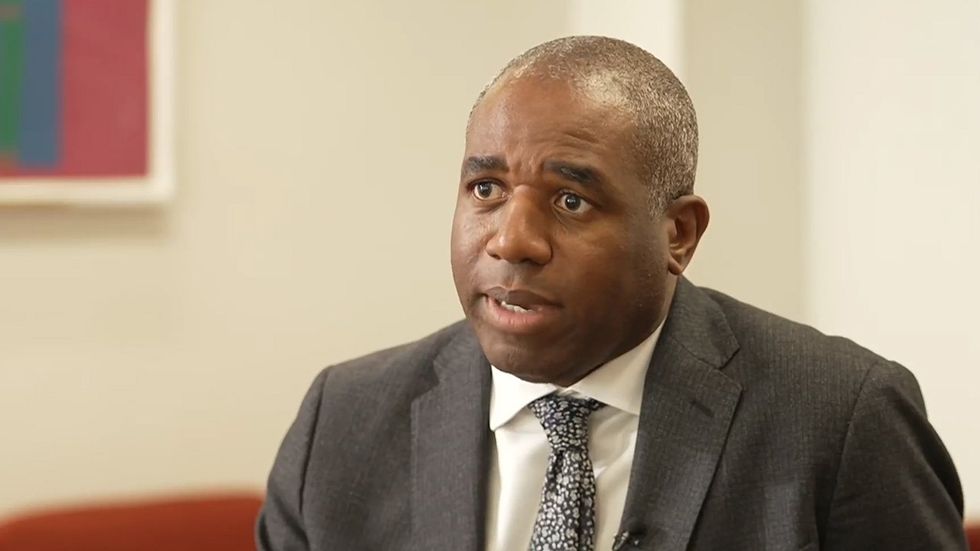
David Lammy unveiled the reforms
| POOLLATEST DEVELOPMENTS

Cohabiting couples are set to benefit from the reforms
| GETTYCourts may also be given greater scope to weigh the effects of domestic abuse, including coercive control and economic abuse, when determining financial settlements for both married and unmarried couples.
The new framework would provide cohabitants with rights distinct from those of married couples, preserving the unique status of marriage.
Mr Lammy emphasised the importance of supporting people through relationship breakdowns, stating: "When a relationship comes to an end, each partner should have the support and certainty they need to rebuild their life.
"We're launching this consultation to make sure our new family law builds a fair system that offers the most vulnerable protection in the event of a breakup, and at a time where the country is facing cost of living pressures."
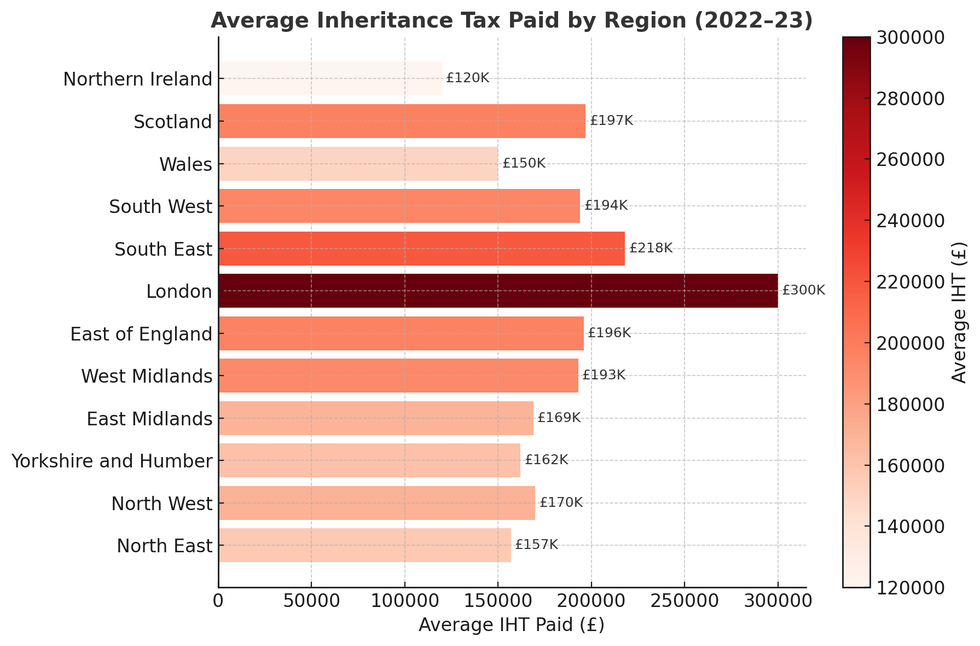 Average Inheritance tax paid by region | ONS
He added: "Whether you've been left bereaved by the sudden and unexpected death of a partner, or escaped horrific domestic abuse, our laws should work to protect you."
Justice Minister Baroness Levitt KC stressed that economic independence should extend beyond those who choose marriage or civil partnership.
"Too many women who have suffered the horrors of domestic abuse are left destitute at the end of a relationship because they've been denied the rights they deserve," she said.
Sam Smethers, chief executive of Surviving Economic Abuse, described the consultation as "a once in a generation opportunity to improve protections for victim survivors of domestic abuse, whether they hold a marriage certificate or not."
She noted that cohabiting survivors are too often left without a safe means of separating financially from abusive partners, sometimes forced to abandon their homes and savings simply to escape.
Melanie Bataillard-Samuel, who chairs Resolution, welcomed the announcement as a significant step towards ending what she called "endemic unfairness" for cohabiting couples.
"The current law has simply not kept pace with changes in society, and often enables perpetrators of domestic abuse to continue that abuse after a relationship has ended," she said.