










UK inflation is anticipated to have moderated last month, with economists forecasting the consumer price index (CPI) dropped to three per cent in April compared with 3.3 per cent the previous month.
The primary factor behind this expected deceleration stems from Ofgem's decision to cut its energy price cap by seven per cent from the beginning of April, translating to roughly £10 monthly savings for typical dual-fuel households.
Government initiatives drove much of this reduction, including shifting three-quarters of renewables obligation costs from domestic bills to general taxation and eliminating the energy company obligation scheme.
Despite this relief, prices continued climbing year-on-year, albeit at a gentler pace than March. However, the energy landscape presented a complicated picture last month, with drivers experiencing a sharp spike at the pumps amid the US-Israel conflict with Iran.
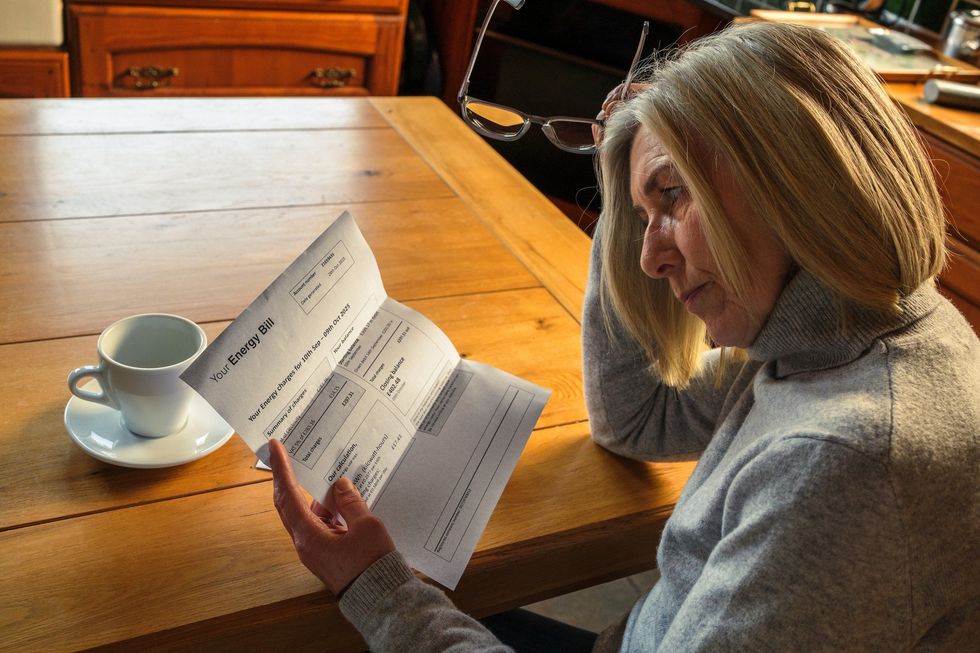
Britons are bracing themselves for more cost of living issues
| GETTYSanjay Raja, Deutsche Bank's chief UK economist, estimated that fuel costs jumped approximately 15 per cent between March and April.
"Looking ahead, we expect price momentum to pick back up as the Iran shock catches up with the inflation data," Mr Raja noted in a research briefing.
He added: "Indeed, dual fuel bills won't rise until the summer." Brent crude averaged around $120 US per barrel throughout April, pushing up petrol and airline costs significantly.
]Households face further pressure when Ofgem resets its price cap in July, with analysts at Cornwall Insight projecting bills could surge 12% per cent equivalent to an additional £196 annually.
 The Chancellor has faced criticism for over-taxing the private sector and making life harder for businesses | RACHEL REEVES / LINKEDIN
 LATEST DEVELOPMENTS
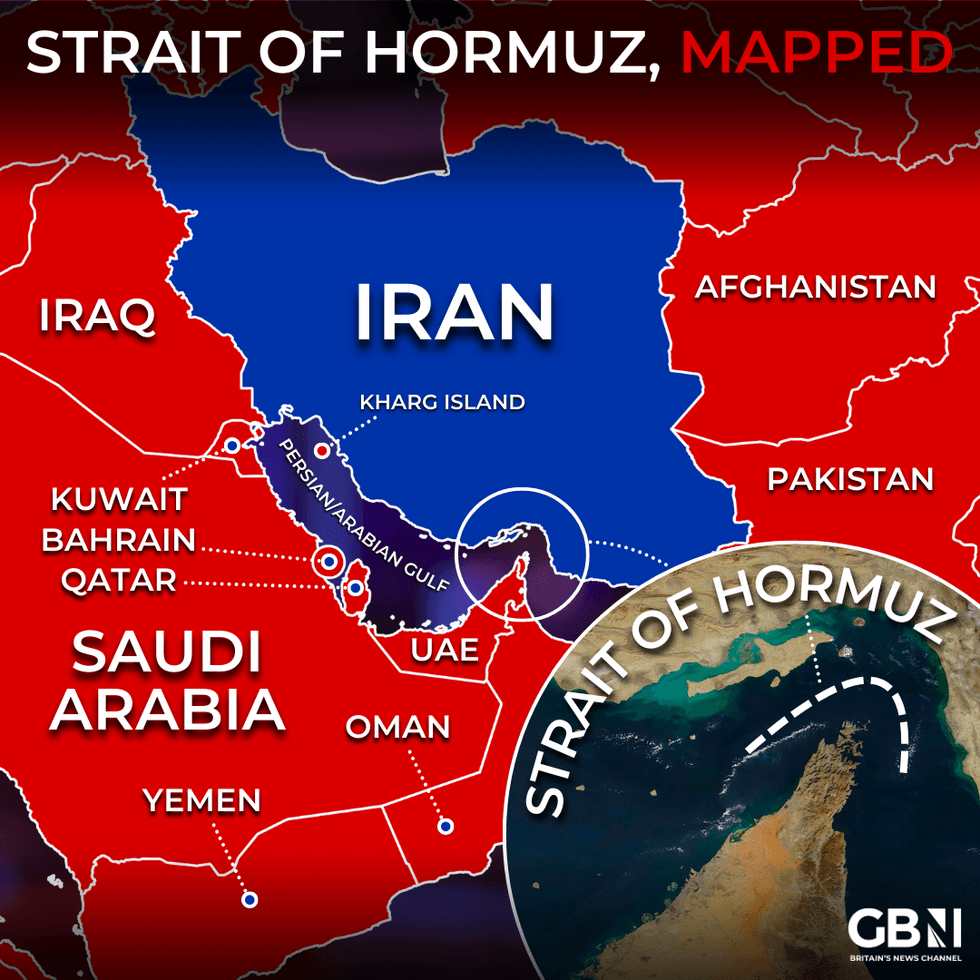 A fifth of the world's oil and gas passes through the Strait of Hormuz before the blockade | GB NEWS
Victoria Scholar, head of investment at Interactive Investor, acknowledged that April's reduced cap would "go some way towards helping offset higher petrol, airline and other prices impacted by the elevated global oil price backdrop".
Yet she cautioned: "When the Ofgem energy price cap resets in July, UK households will be faced with a sharp increase in energy bills."
Ms Scholar observed that without the Iran conflict, inflation would have been expected to return to the Bank of England's two per cent target around now.
"Instead, interest rate and inflation expectations have drastically rerated higher," she added.
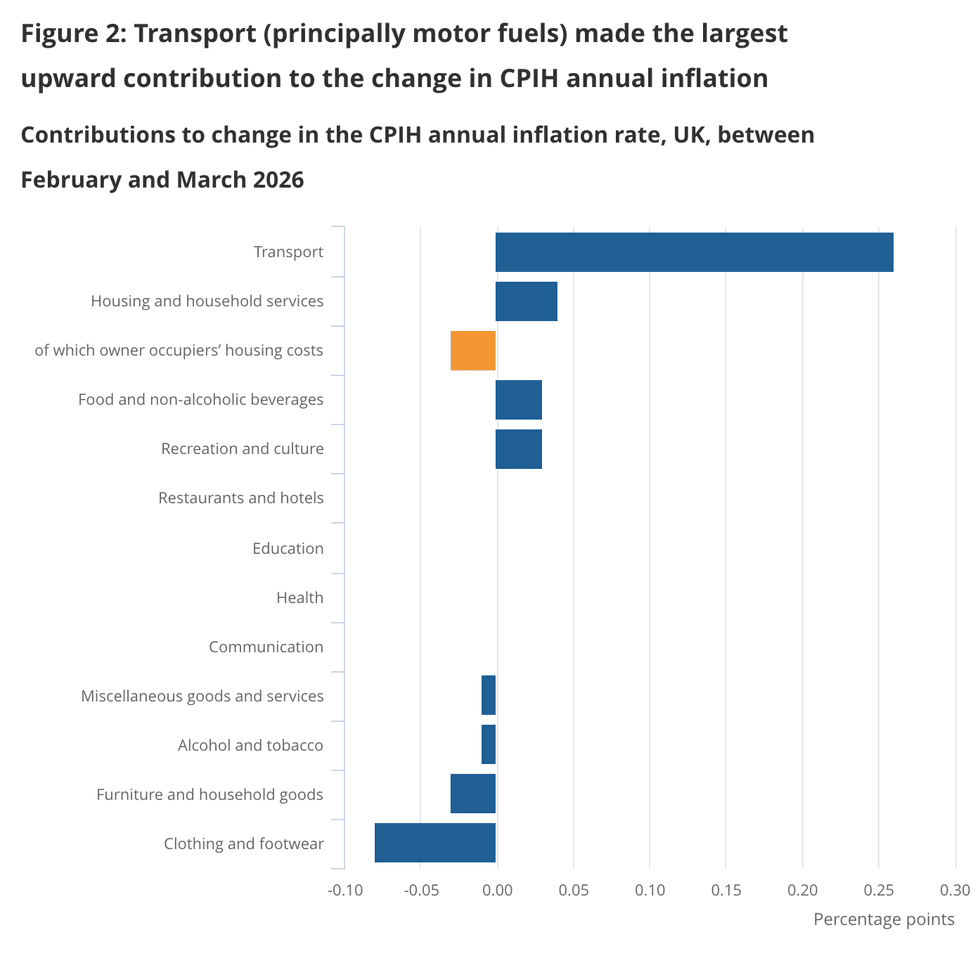 Fuel prices put huge upward pressure on inflation | ONS
The Bank of England maintained borrowing costs at their current level last month, with policymakers anticipating inflation could rise under multiple scenarios stemming from the energy shock.
Analysts emphasise that Britain's economic trajectory remains highly dependent on developments in the Middle East, particularly the duration of hostilities and the trajectory of oil and gas prices.
The uncertainty has fundamentally altered expectations for when price growth might finally ease back towards the central bank's target, leaving households and businesses facing a prolonged period of elevated costs.