







HM Revenue and Customs (HMRC) has significantly stepped up its efforts to tackle inheritance tax avoidance, with referrals to the Valuation Office Agency (VOA) surging by 23.5 per cent over the past year, according to research from TWM Solicitors.
The law firm's analysis found that VOA referrals climbed from 11,845 to 14,631 cases in the twelve months ending September 30, 2025.
This intensified scrutiny comes as official HMRC figures revealed inheritance tax receipts for the 2025/26 financial year reached £8.5billion, representing a £200million increase compared with the previous year.
The tax authority is increasingly deploying artificial intelligence and data matching technology to spot discrepancies in property valuations submitted on IHT returns.
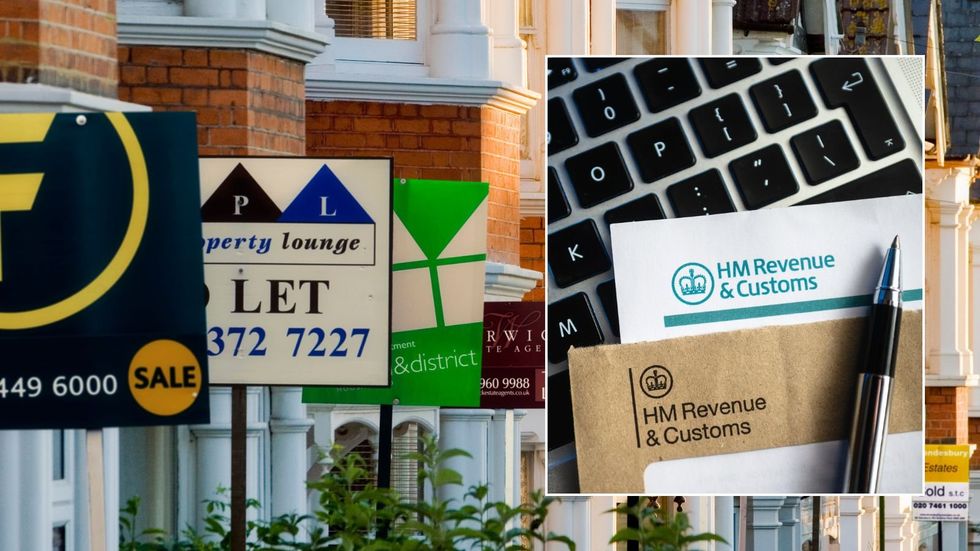
HMRC property valuations are ramping up
|GETTY
Laura Walkley, the head of Private Client at TWM, said: "HMRC is clearly focusing on property valuations as a significant potential source of revenue.
"There has been a noticeable shift towards questioning figures submitted in IHT returns, rather than accepting them at face value."
She warned that executors who fail to accurately report property values could face serious financial repercussions.
Ms Walkley added: "If an executor fails to report a property value properly, there can be financial consequences for the estate such as additional tax and interest to pay potentially by the executor personally."
How much is your home worth?
| GETTYLATEST DEVELOPMENTS
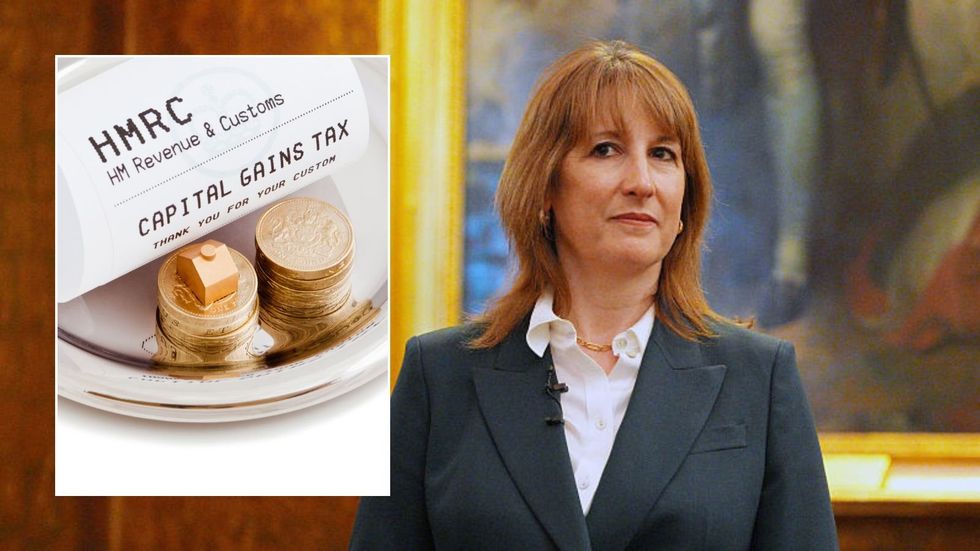
The Chancellor has raked in billions thanks to tax on assets
| GETTYTWM noted that solicitors previously received VOA queries about probate valuations only once or twice every few years, but such contact has become far more frequent.
The tax authority's deployment of AI, data matching, and other sophisticated big data tools has substantially enhanced its capacity to detect inconsistencies and errors within inheritance tax returns.
Notably, TWM Solicitors highlighted that a combination of escalating house and asset prices, alongside frozen tax thresholds, has pushed a growing number of estates into IHT liability.
The firm indicated that HMRC is increasingly enlisting the VOA's assistance to examine inheritance tax returns more closely, reflecting the department's heightened efforts to recover revenue from estates that have been undervalued or inaccurately reported.
Ian Dyall, Head of Estate Planning at wealth management firm Evelyn Partners, observed that the 2.4 per cent annual rise in inheritance tax receipts was unsurprising, though the pace of growth appears to be moderating compared with previous years.
He noted that London property values, traditionally a major driver of IHT exposure, have cooled considerably, with inner London experiencing its steepest decline since the global financial crisis.
Despite this softening, receipts continue climbing due to decades of accumulated wealth, prolonged threshold freezes, and an ageing population bringing more estates from the asset-rich boomer generation into assessment.
Mr Dyall emphasised that many families still postpone essential estate planning discussions, underestimating the cumulative effect of frozen allowances.