






Targeted support for those struggling with energy bills is now "critical”, industry experts say, ahead of an expected 13 per cent hike in the price cap.
Regulator Ofgem will reveal on Wednesday the level of the annual energy price cap for a typical dual fuel house household, running from July to September.
The last cap, which covers England, Scotland and Wales, was set shortly before the Iran war sent wholesale prices rocketing, meaning domestic consumers have been partially shielded from the effects of the conflict.
Analysts Cornwall Insight predicted last week the cap will rise by £209 a year to £1,850 from July 1 – an increase of 13 per cent on April’s £1,641 annual cap.
The cap sets a maximum price per unit of gas and electricity used, meaning households only pay for the amount of energy they use.
This means households will be partially protected over the warm summer months, but concerns are growing over a painful hit when the cap is reviewed in October and energy demand rises as temperatures drop.
Experts warn the price is likely to remain high into the winter months and called for the Government to make support plans now.
Cornwall Insight’s forecasts suggest the cap in October will be at a similar level to July, even if the Middle East conflict were to end soon, due to the physical damage to infrastructure and lingering effect of disrupted supply.

Analysts Cornwall Insight predicted last week the cap will rise by £209 a year to £1,850 from July 1
|GETTY
Calls have been mounting for the Government to set out action to support the most vulnerable, but Chancellor Rachel Reeves stopped short of any immediate energy measures in her cost-of-living plan.
She told MPs last week: “We stand ready to act if market conditions worsen significantly later this year and I have been leading cross-Government contingency work on design of potential future targeted and temporary support for businesses.”
Energy UK, the trade association for the energy industry, said tomorrow’s rise would be concerning for consumers, even taking into account the summer months.
Ned Hammond, Deputy Director of Policy (Customers) said: “We’re now seeing the impacts of the war in the Middle East feed through to people’s energy bills, driven by considerable gas price volatility in recent months.
LATEST DEVELOPMENTS
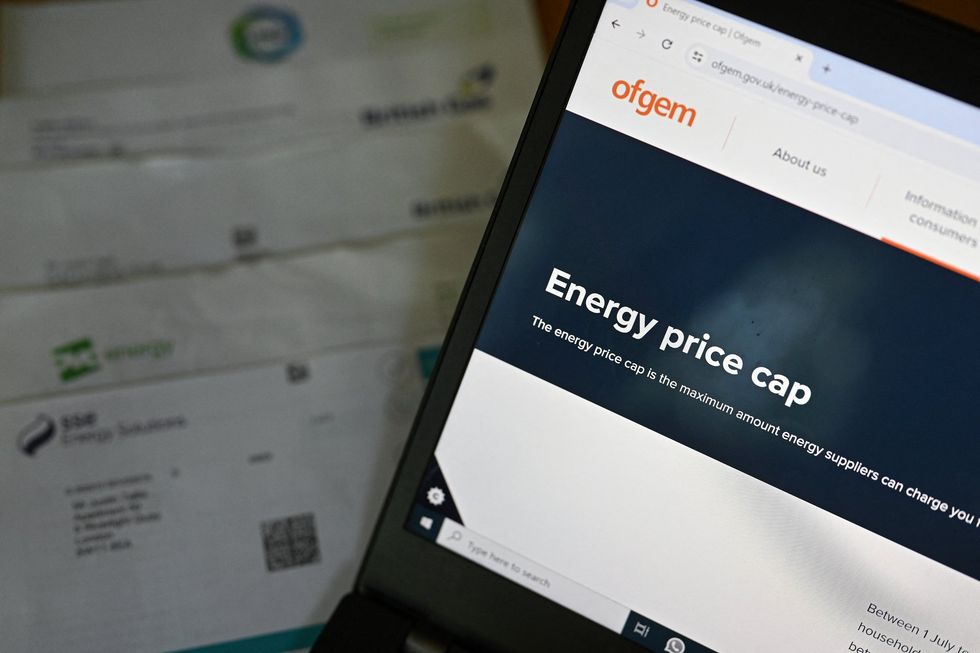
Ofgem will reveal the annual energy price cap running from July to September tomorrow
|GETTY
“An expected price cap rise of more than £200 is a significant concern, and energy bills could well remain high through the rest of the year.
“While many households will use less energy over summer, the rise will still be hugely worrying for many people and will leave low-income households in a vulnerable position heading into the winter months.
“Better targeted support for households that are struggling with their energy bills is now critical, alongside faster deployment of the Warm Homes Plan to drive permanently lower energy costs over the long-term.”
Households have yet to feel the impact of the Iran conflict as the price cap is reviewed on a quarterly basis, and April saw a seven per cent drop thanks to Government measures to reduce bills.
This included moving 75 per cent of the cost of the UK’s renewables obligation from household bills on to general taxation, and scrapping the energy company obligation scheme.
The Government has insisted that “tackling the affordability crisis is our number one priority”.
But Mr Hammond warned that “affordability has been challenging for many households, and this impact is only going to worsen as a result of the conflict in the Middle East”.
He said: “The government has taken action to reduce bills and it also provides the Warm Home Discount to low-income households.
“But clearly, there may be more that is required to help low income households through this period of higher prices, and also to make sure that we can end up in a situation where we aren't exposed to these kind of crises again in the future.”
Simon Francis, co-ordinator of the End Fuel Poverty Coalition, said: “Households need reassurance and support, not a summer of suspense.
“That means the Government must act before winter to spell out what support will be available.”