








British households have been warned they are "dramatically exposed" to energy price shocks as the ongoing conflict in the Middle East continues to roil global markets.
Energy experts are urging families to take urgent action to shield themselves from volatile wholesale prices that show no signs of stabilising.
The warning comes as Brent crude oil climbed back above $100 per barrel this week, with the US-Israel war in Iran entering its fourth week and disrupting critical supply routes.
Industry figures say those who remain passive consumers of electricity face the greatest risk as geopolitical uncertainty persists.
The conflict, which began when the US and Israel launched strikes against Iran on 28 February, has sparked what observers are calling a global energy crisis.
Tehran's response of effectively blocking the Strait of Hormuz—a vital waterway carrying roughly a fifth of the world's oil and liquefied natural gas—has sent wholesale prices surging.
Energy consultancy Cornwall Insight forecasts that typical annual household bills could rise by £332 from July, pushing costs for a dual-fuel home to £1,973 annually, up from the current £1,641. The consultancy is now updating its projections weekly given the unpredictable nature of the situation.
Despite the UK generating most of its electricity from sources other than oil, British consumers remain vulnerable to global crude price movements.
Daniel Burton, Founder and CEO of Wondrwall spoke to GB News and explained the connection: "Oil, gas and electricity prices are closely linked because they're traded globally and respond to the same geopolitical pressures.
"If elevated energy commodity prices persist for several months, that can feed into Ofgem's price cap calculations," Mr Burton said, warning that sustained global tension could push household bills higher.
The ripple effects extend far beyond utility bills. Mr Burton noted that energy costs permeate virtually every sector of the economy, raising expenses for manufacturers, food producers and logistics firms alike.
"That’s why energy spikes often show up very quickly in the cost of everyday essentials - groceries, transport, delivery services and even things like leisure or hospitality. Businesses inevitably have to pass on at least part of those higher costs to consumers.
Energy consultancy Cornwall Insight forecasts that typical annual household bills could rise by £332 from July
| GETTY"For families, that means rising energy prices don’t just impact the monthly utility bill. They also quietly push up the cost of food, commuting and household goods, which is why energy volatility has such a powerful effect on the overall cost of living." he said.
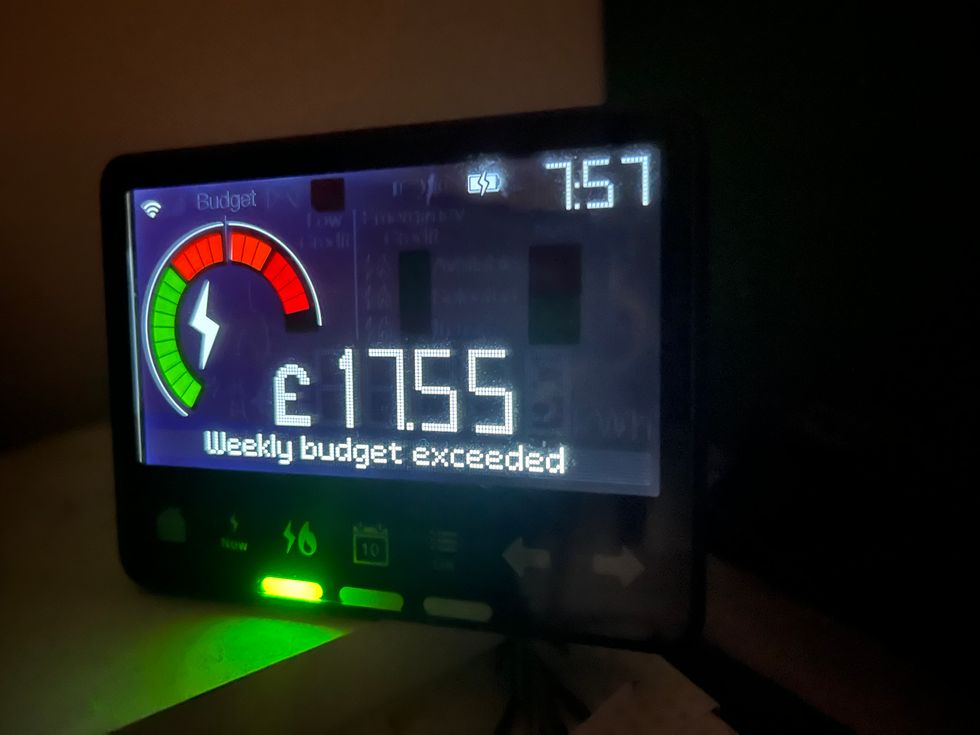
For families seeking immediate protection, he recommend starting with visibility over consumption. He said: "Smart metres are a great way of monitoring your energy usage, helping you to better budget. Additionally, ensure energy is not being wasted throughout the home by being mindful with hot water usage, switching to LED bulbs and only using electricity when necessary.
"The biggest shift households can make is moving from being passive energy consumers to actively managing how and when they use electricity. There are some simple steps that help in the short term improving insulation, using energy efficient appliances outside peak hours and monitoring energy use more closely. But the real step-change comes from combining smart technology with energy storage.
"When households can generate, store and intelligently manage their own electricity, they dramatically reduce their exposure to wholesale market volatility. Instead of being completely dependent on whatever the grid price happens to be that day, they gain far more control over their long-term energy costs."

For families seeking immediate protection, he recommend starting with visibility over consumption
| GETTYHowever, those looking for more substantial protection should consider longer-term investments in home energy technology.
Battery storage systems allow households to capture electricity when prices are lowest - whether from solar panels during daylight hours or from the grid overnight - and deploy it during expensive peak periods.
"When you combine battery storage with AI-driven home energy management, the system can automatically optimise when energy is used, stored or imported from the grid," Mr Burton explained.
Such systems fundamentally alter how homes interact with the energy market, enabling them to predict usage patterns and respond to tariff signals rather than simply consuming power at whatever price prevails.
The outlook for the coming months remains deeply uncertain. Mr Burton warned that if Middle Eastern instability persists and disrupts global supply chains, pressure on oil and gas prices could extend into the winter when demand peaks.

Chancellor Rachel Reeves confirmed the Government is preparing contingency plans for "every eventuality" to support those most in need
| PAHe said: "Energy markets tend to react quickly to geopolitical risk, but the longer-term impact depends on how sustained those tensions are. If instability continues and affects global supply chains, it could keep pressure on oil and gas prices into the winter period.
"That would likely translate into higher wholesale electricity costs for the UK, particularly during colder months when demand rises. While forecasting precise price levels is difficult, volatility is almost certain to remain a feature of the energy market over the next year"
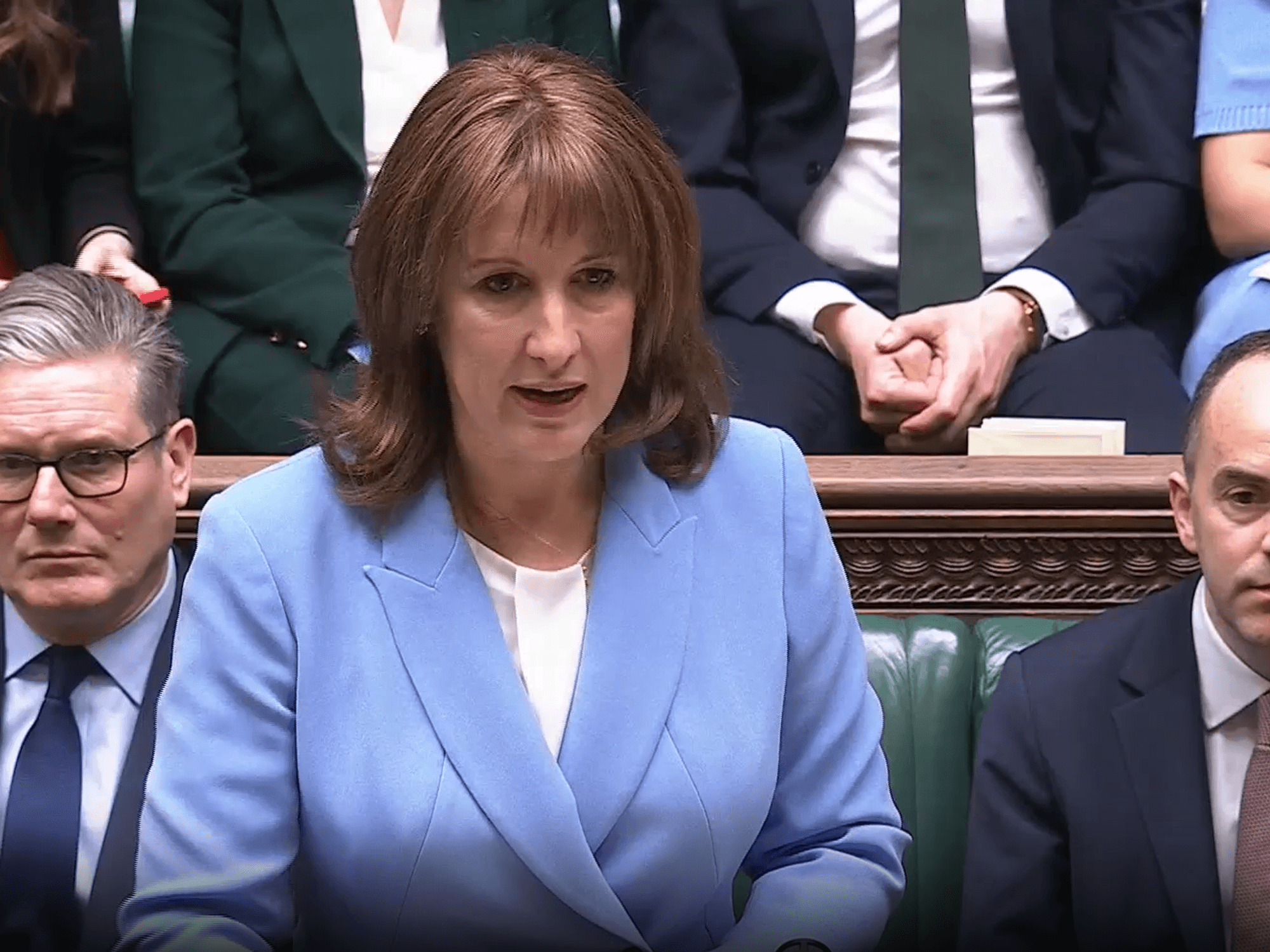
Chancellor Rachel Reeves confirmed the Government is preparing contingency plans for "every eventuality" to support those most in need, though details remain unclear.
Any assistance package would be constrained by borrowing rules and the desire to keep inflation and interest rates low.