










Ed Miliband's net-zero drive will trigger a financial crash, a former Government scientific adviser has warned.
It follows predictions electricity prices could be even higher in 2030 than during the height of the Ukraine energy crisis.
Michael Kelly, Professor of Technology at the University of Cambridge and a former Government chief scientific adviser, said the scale and cost of rebuilding the UK's electricity grid is so vast the country is heading for an economic crash once the full impact of expensive energy triggers an inevitable backlash from households and businesses.
His warning comes after Chris O’Shea, chief executive British Gas owner Centrica, said household electricity prices are on course to exceed the peak reached after Russia’s invasion of Ukraine.
TRENDING
Stories
Videos
Your Say
“Our projections show that the UK energy system will be one where by 2030 the electricity price will be higher than it was at the peak of the Russian invasion of Ukraine,” Mr O’Shea said. “A third of the cost of that electricity (by 2030) will be wholesale costs, and the other two-thirds will be system costs.”
At the height of the crisis, average annual electricity bills surged from £717 in 2021 to around £1,200 in 2023. Today, the energy price cap stands at £1,758 for a typical dual-fuel household. Energy debt has climbed from around £1.8billion to nearly £5billion.
Mr O’Shea insisted rising costs are not purely down to climate policy.
“Those system costs aren’t net zero costs, he said. "They are addressing years and years of underinvestment and whether we went for net zero or new fossil fuels, we would need to incur those system costs."
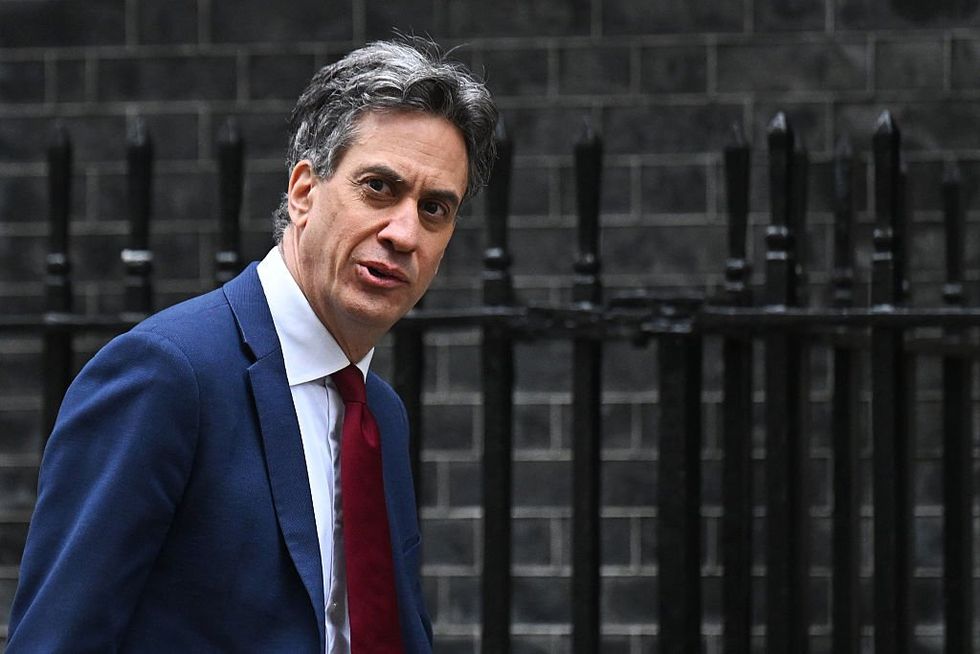
Ed Miliband has been warned his net-zero drive will trigger a financial crash
|GETTY
Professor Kelly disagreed and instead blamed Net Zero. He said, based on his own calculations, the total cost of transforming the National Grid to support a net-zero energy system could reach £1.4trillion over 30 years — equivalent to roughly £50 billion every year. Even if the UK could secure the finance and materials, Professor Kelly calculated, the country does not have the skilled and professional human resources to get halfway to completion by 2050.
He also highlighted problems obtaining new high-voltage transformers that control power nationwide, which are in short supply worldwide. He said: “We have a three-year waiting list for high-performance transformers for the grid, and the total grid upgrade will cost £1.4trillion over 30 years. Where will that money come from?”
Prof Kelly said his estimate includes:
- £700 billion for substations and local distribution upgrades
- £500 billion for new power generation
- £200 billion for transmission infrastructure
LATEST DEVELOPMENTS
- Net zero 'obsession' to raise energy bills past Russia crisis levels as British Gas boss gives stark warning
- Petrol and diesel car ban in doubt as ministers admit plan 'might not be practicable'
- Landlords warned they could be 'forced' to fit heat pumps or solar panels under Ed Miliband's net zero drive
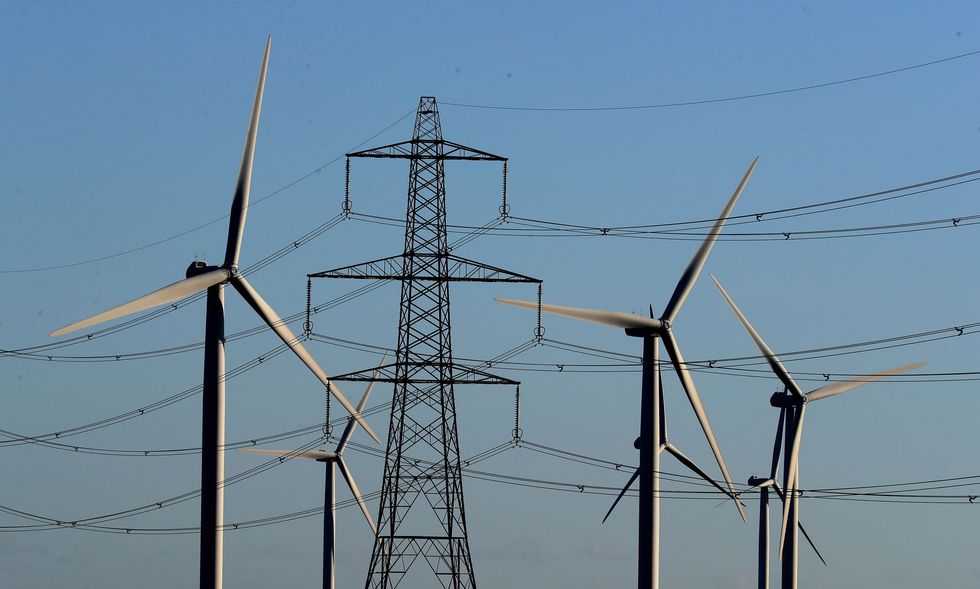
Transforming the National Grid could cost £1.4trillion over 30 years
| PA“This is all the infrastructure, but not even the operating costs,” he warned. “Net zero will lead to financial crash and a lot of this investment to date will be abandoned. It’s an impossible program which will crash.”
Professor Kelly added Britain is “extreme in its version of net zero compared to everywhere else” and warned that much of the spending could ultimately be written off.
“Over the next two decades much of this will have to be written off just because of the sheer cost of it,” he said. “Even if we had the money to do it, we do not have the projected manpower to do the job of restructuring the grid. It is not going happen and the money isn’t there.”
If costs spiral further, Professor Kelly warned, consumers and suppliers alike could buckle.
“If it costs vast sums of money, people will not use electricity as it is so expensive and a lot of energy companies will go bust," he said. "The current steady collapse of energy companies will become a crush and a torrent and the prices will be so high that consumers will not pay for it.”
Professor Gordon Hughes, former Professor of Economics at the University of Edinburgh and World Bank adviser, echoed his concern.
“I have done exercises which show that our electricity prices will be this high in 2030. If we carry on I have come to similar conclusions as Chris O’Shea,” he said. “If the costs of continuing to build net zero infrastructure will push up prices more and more, I fully agree.”
He rejected claims that the UK is simply correcting historic underinvestment.
“We have not been underinvesting in the grid and we have just been building a more expensive grid since 2010,” he said.“These high costs are down to a desire to spend lots more money on renewables.”
GB News has approached the Government for comment.
Our Standards: The GB News Editorial Charter
More From GB News