









Households are being urged to switch to heat pumps as energy costs rise, but the financial benefits are being questioned.
New support has been announced, yet some warnings suggest bills could still increase.
Ed Miliband has announced that grants will increase to £9,000 for households moving away from oil and LPG heating.
The higher support, available through the Boiler Upgrade Scheme, is aimed at around three million off-grid homes and businesses across England and Wales.
Ministers say the move is designed to help those most exposed to rising energy costs, as heating oil and LPG are not covered by Britain’s energy price cap and are more vulnerable to market volatility.
According to the Energy Saving Trust, installing an air source heat pump costs around £11,000 on average, although this can vary depending on the property and any additional upgrades required.
The Department for Energy Security and Net Zero said recent global tensions have hit off-grid households hardest, with the increased grant intended to support rural homes and small businesses facing higher fuel costs.
The Secretary of State for Energy Security and Net Zero said: "As we face the second fossil fuel shock in less than five years, the lesson for our country is clear: The era of fossil fuel security is over, and the era of clean energy security must come of age.
"That's why we're doubling down on clean power, to give our country energy security and bring down bills for good."
The higher grant will be available until the end of the year.
However, analysis from the Energy Utilities Alliance suggests the switch may not lead to lower bills.
Its calculations indicate households using heat pumps that meet minimum efficiency standards could end up paying around £138 more per year compared with a new gas boiler.
This stems from electricity prices remaining more than four times higher than gas, even after ministers removed some green levies from power bills in April.
 Ed Miliband has made renewable energy rollout a primary target | PA
Beyond running costs, the upfront expense presents another hurdle.
Installing a heat pump typically costs around £3,600 more than fitting a replacement gas boiler, even with the government subsidy applied.
Mike Foster of the EUA said: "If you treat this as a household financial decision, not a political one, the numbers are still uncomfortable."
The Department for Energy Security and Net Zero has rejected the EUA's conclusions, maintaining that heat pumps paired with time-of-use tariffs can reduce household bills by £130 annually compared to gas boilers.
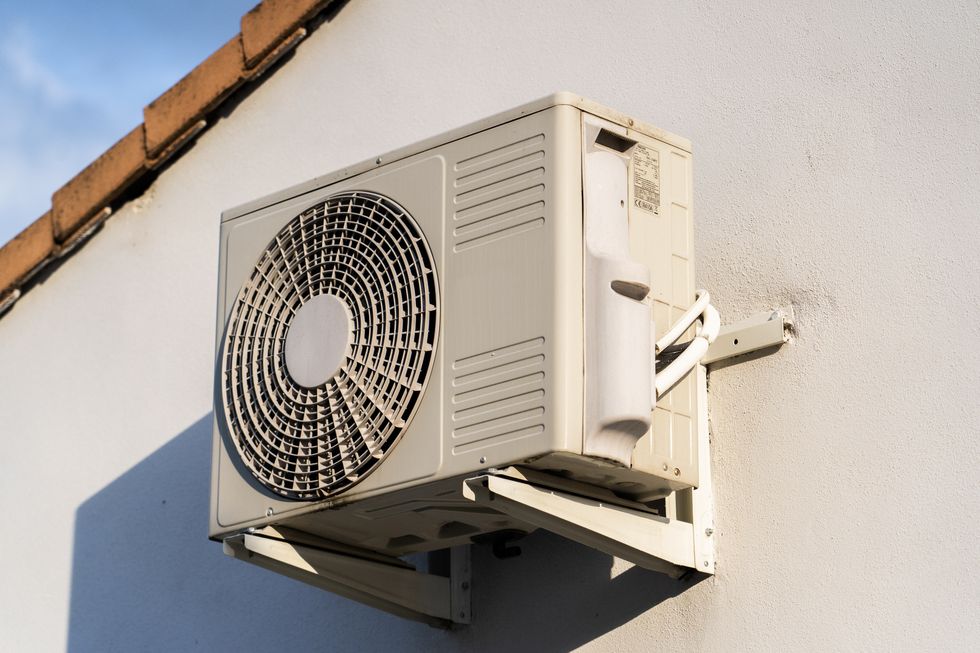
Grants of up to 9,000 are available to households
| GETTYOctopus Energy offered more optimistic figures, claiming its smart tariff customers with heat pumps save £212 yearly against conventional boilers.
An Octopus spokesman said: "In 93pc of cases, a heat pump on a smart tariff is equal or cheaper than running a gas boiler. Even on a standard variable tariff, around half of households still come out cheaper."
Accessing these differential rates requires a smart meter installation.
Government statistics show heat pump uptake rose seven per cent in 2025, with 51,886 installations recorded, though Labour's target stands at 450,000 annually by 2030.

Heating oil and LPG customers have been among the hardest hit by the current crisis
| GETTYThe End Fuel Poverty Coalition welcomed the enhanced grant but cautioned it may prove insufficient for many households.
Simon Francis, the coalition's co-ordinator, said: "Heating oil and LPG customers have been among the hardest hit by the current crisis."
He warned that the £9,000 subsidy might not adequately bridge the gap for families unable to cover remaining installation expenses or whose properties require substantial preparation work before a heat pump can be fitted.
Mr Francis added: "The measure of success is not how many grants are issued, but whether the households most exposed to fossil fuel price shocks are genuinely better off as a result."
He called for specialist local advice, stronger consumer protections during installation, and targeted additional support for those who cannot meet the shortfall.