










Hundreds of thousands more young people are expected to rely on disability benefits in the coming years, according to new Government projections.
The figures highlight the growing number of under-25s living with physical and mental health conditions that affect their daily lives and ability to work.
Government data released today shows the number of 16 to 24-year-olds receiving Personal Independence Payment (PIP) is on course to reach 877,000 by 2040-41, almost three times current levels.
The Department for Work and Pensions estimates annual spending on PIP for this age group will more than double from £4.3billion today to £9.2billion within the next 15 years.
The figures were published alongside former Health Secretary Alan Milburn's interim review into Britain's growing youth welfare crisis.
PIP provides financial support to people facing additional costs as a result of long-term physical or mental health conditions.
Eligibility is based on how a condition affects daily living and mobility rather than a specific diagnosis.
The rise in claims has been significant. Around 230,000 young people were receiving PIP in 2019-20, compared with 465,000 by 2025-26.

PIP provides financial support to people facing additional costs as a result of long-term physical or mental health conditions
| GETTYThe number is projected to reach 511,000 this year before climbing to 634,000 by the end of the decade.
A similar pattern can be seen in Universal Credit's Limited Capability for Work-Related Activity element.
The number of young claimants has risen from 105,000 to 181,000 and is forecast to reach 229,000 by 2040-41, costing around £750million a year.
The sharp rise in claims is being fuelled predominantly by mental health conditions and neurodevelopmental disorders, including autism and ADHD, which represent an increasingly significant proportion of awards among younger claimants.
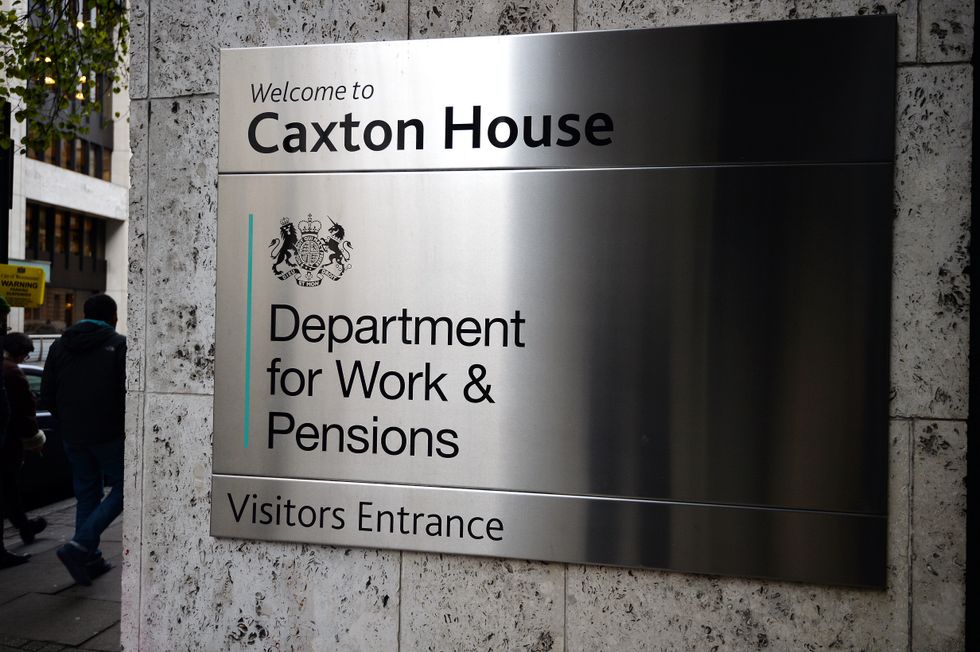
The Department for Work and Pensions estimates annual spending on PIP for this age group will more than double
| PAAutism spectrum disorders now constitute approximately one third of all PIP claims within the 16 to 24 age bracket.
This shift reflects broader changes in the types of conditions driving benefit uptake, with psychological and developmental diagnoses overtaking traditional physical health issues as the primary reason young Britons are seeking support through the disability benefits system.
Alan Milburn's interim findings, commissioned by ministers late last year in response to mounting concern over youth inactivity, challenge the notion that young people are simply unwilling to work.
Instead, his review identifies systemic shortcomings across education, healthcare and employment support as the root causes.
 Four million PIP claimants to face fewer assessments under new DWP rules | GETTY
The welfare system itself, according to Milburn, risks trapping young people in inactivity rather than facilitating their return to work or training, with spending heavily weighted towards benefits rather than active support.
Britain's rate of young people not in education, employment or training now ranks among the worst in Europe, with six in ten having never held any job.