







President Donald Trump has warned Netflix’s £54billion Warner Bros Discovery deal could face major competition hurdles due to concerns over the giant's market power.
Mr Trump told reporters at the Kennedy Center Honours in Washington DC on Sunday that the size of the transaction raised questions that would need to be examined carefully.
The president said: "There's no question about it. It could be a problem".
He stressed that the deal must receive full scrutiny before being approved.
TRENDING
Stories
Videos
Your Say
"Netflix is a great company. They've done a phenomenal job", he said, before adding: "but it's a lot of market share, so we'll have to see what happens."
When asked whether Netflix should be allowed to purchase the Hollywood studio, Mr Trump pointed to the potential impact on the streaming market.
He said: "Well that's the question. They have a very big market share and when they have Warner Bros, you know, that share goes up a lot".
The president confirmed that he would be directly involved in determining whether federal regulators should approve the merger.
The agreement, announced last Friday, would allow Netflix to purchase Warner Bros Discovery’s film and television studios as well as HBO and its streaming service HBO Max.
The deal followed an auction process in which Netflix prevailed over bidders including Paramount Skydance and Comcast, the parent company of Sky.
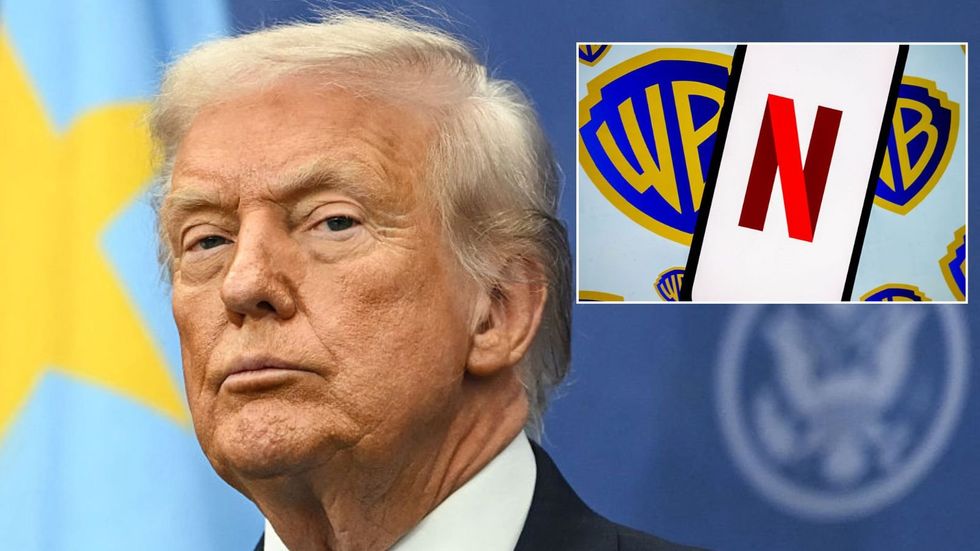
President Trump warns Netflix’s Warner Bros Discovery deal could face major competition hurdles
|GETTY
Netflix agreed to pay $27.75 (£20.79) per share to Warner Bros Discovery shareholders under the terms of the takeover.
If completed, the acquisition would bring some of the entertainment industry's most valuable franchises under Netflix’s control.
These include Harry Potter, Batman, Game of Thrones, The Matrix, Lord of the Rings and Looney Tunes.
Warner Bros’ extensive archive, which features classic titles such as Casablanca and Citizen Kane along with modern hits including Friends, would be added to Netflix’s existing catalogue of original productions like Stranger Things and Squid Game.
Completion of the deal is expected to follow Warner Bros Discovery’s planned separation of its cable networks, including CNN, TBS and TNT Sports in the UK, during the second half of 2026.
Mr Trump disclosed that Netflix co-chief executive Ted Sarandos had visited the White House shortly before the acquisition was announced on December 5.
LATEST DEVELOPMENTS
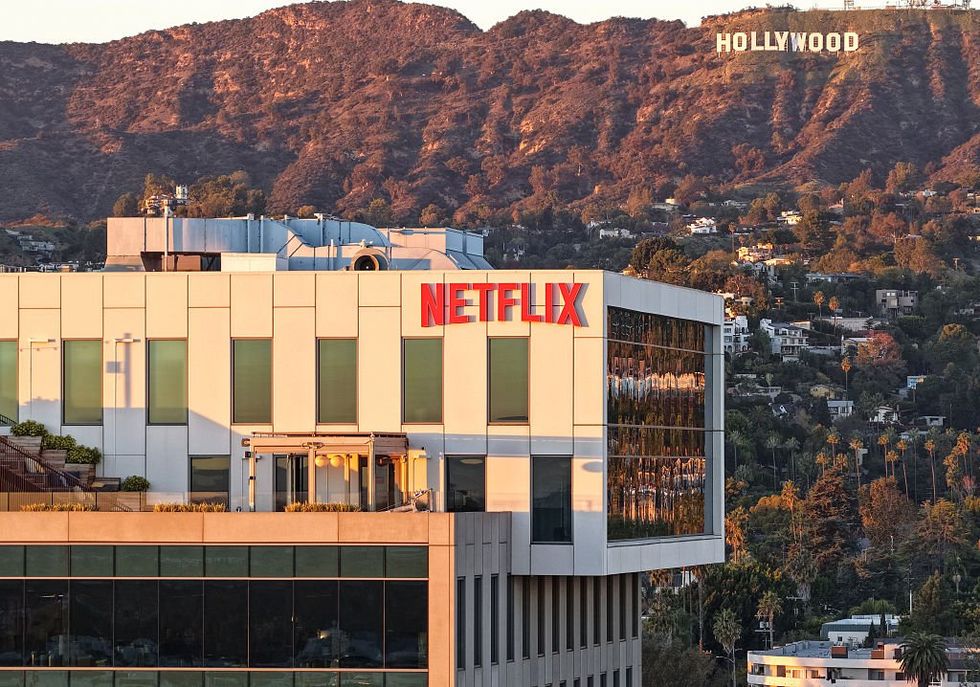
Netflix agreed to pay $27.75 (£20.79) per share to Warner Bros Discovery shareholders under the terms of the takeover
|GETTY
"I have a lot of respect for him. He's a great person."
The President added: "He's done one of the greatest jobs in the history of movies and other things".
Mr Trump also confirmed that no assurances had been provided to Mr Sarandos about the outcome of the regulatory process.
He returned repeatedly to concerns about market concentration.
Netflix is currently the world’s largest subscription streaming service, having grown from a DVD rental business founded in 1997.
The Justice Department’s antitrust division is expected to assess whether merging two major streaming platforms would create a dominant player in violation of federal competition law.
The Writers Guild of America’s East and West branches issued a joint statement on Friday urging regulators to block the deal.
The unions said: "The world's largest streaming company swallowing one of its biggest competitors is what antitrust laws were designed to prevent".
They argued that the merger would "eliminate jobs, push down wages, worsen conditions for all entertainment workers, raise prices for consumers and reduce the volume and diversity of content for all viewers".
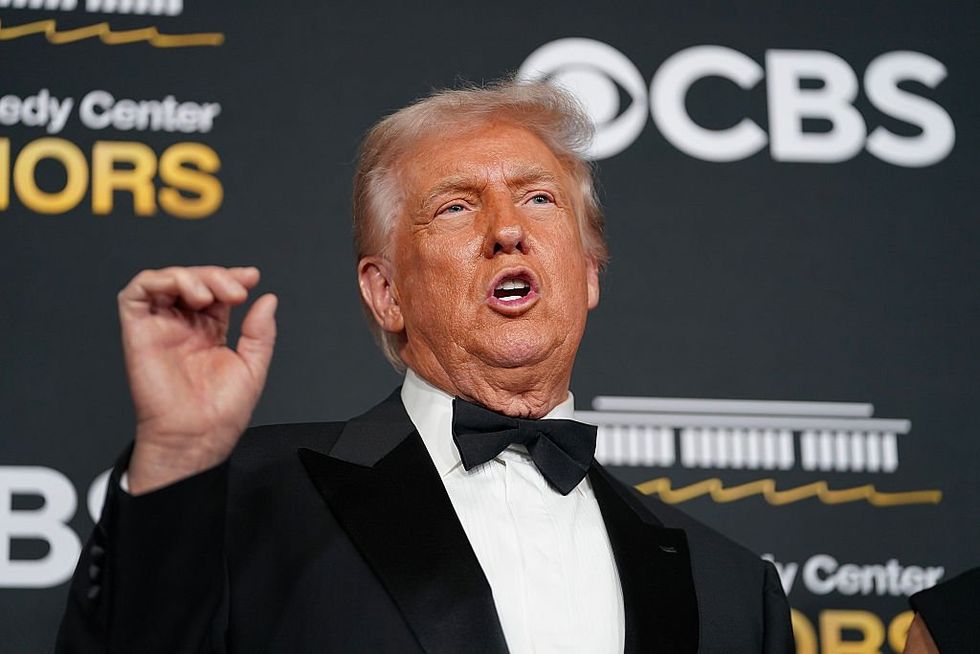
Mr Trump returned repeatedly to concerns about market concentration.
|GETTY
Republican Senator Roger Marshall also raised objections to the takeover.
Mr Marshall described the proposed acquisition as "the largest media takeover in history" that "raises serious red flags for consumers, creators, movie theaters, and local businesses alike".
He said that allowing one company to control both content production and distribution amounted to "a textbook horizontal antitrust problem".
Mr Marshall urged regulators to consider the potential consequences for consumers and Western society.
More From GB News