










Families are skipping meals, cancelling trips to elderly relatives and considering quitting their jobs as soaring fuel prices pile fresh misery on Britain's cost of living crisis.
A new survey has revealed the extraordinary lengths millions of motorists are going to in order to keep their cars on the road as fuel costs continue to bite.
The findings come as petrol prices have surged to their highest level in more than three years, with average forecourt prices climbing to around £1.60 a litre, the highest since November 2022, linked to the war in Ukraine.
The recent hike linked to higher oil prices due to turmoil in the Middle East has seen petrol rise by more than 25p a litre since late February, adding around £14 to the cost of filling a typical family car.
Research by car finance brokers, CarMoney, found nearly one in ten workers are now cutting back on food or skipping meals to ensure they can afford the fuel needed to get to work.
The poll of 2,102 UK drivers found that 20 per cent of motorists experience a sense of dread when they see petrol station price signs.
The squeeze is hitting younger people particularly hard. More than one in five drivers aged 18 to 24 said they had reduced their food budget or skipped meals to afford fuel, while 12 per cent said they had seriously considered quitting their job because commuting costs no longer made financial sense.
The figures suggest a generation of young workers is being forced to rethink employment choices because of the cost of getting behind the wheel.
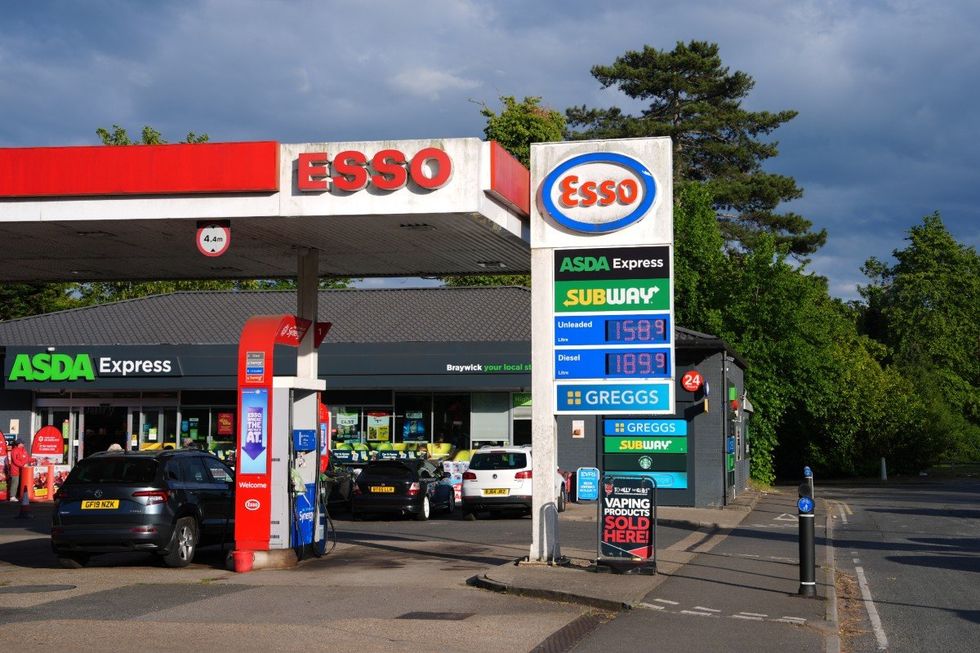
New research found nearly one in ten workers are now cutting back on food or skipping meals to ensure they can afford the fuel needed to get to work
|PA
The financial pain is also particularly acute in the capital. In London, 14 per cent of drivers said they had cut back on food shopping or skipped meals to keep fuel in the tank.
The survey found the impact stretches far beyond household budgets.
Nearly 14 per cent of drivers in the West Midlands said they had cancelled visits to elderly parents or relatives who lived further away because of fuel costs.
Meanwhile, 17 per cent of London motorists said they had switched their weekly grocery shopping to more expensive local convenience stores simply to avoid the cost of driving to a larger supermarket.
The findings paint a picture of rising fuel costs reshaping family life, shopping habits and even relationships.
Arguments over car journeys are becoming increasingly common.
Among 18 to 24-year-olds, 14 per cent admitted having heated rows with partners or family members about what they considered "unnecessary" trips by car.
The survey also highlighted stark regional differences.
LATEST DEVELOPMENTS:
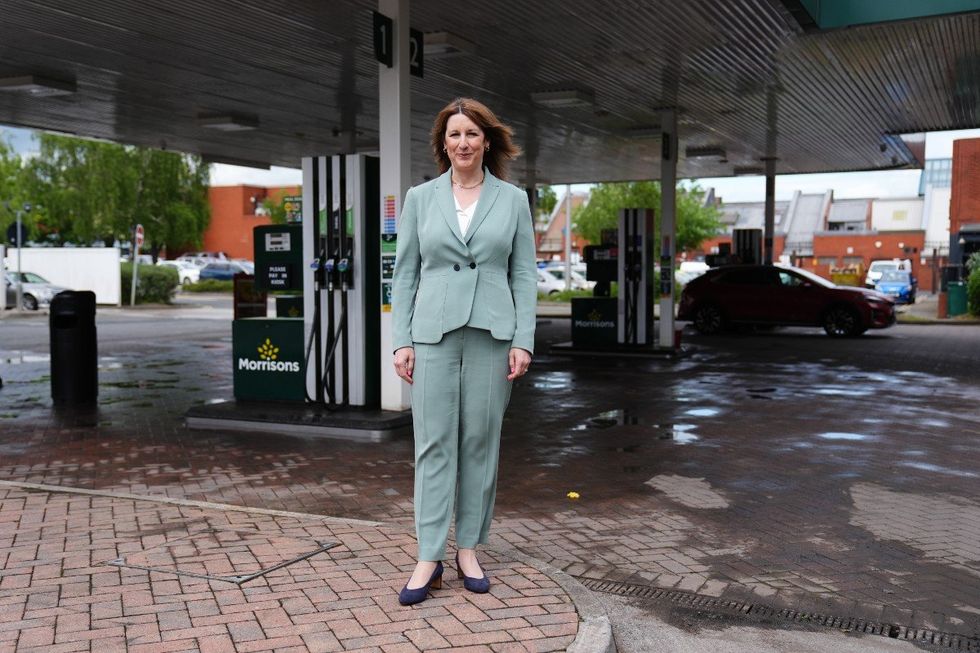
More than one in five drivers aged 18 to 24 said they had reduced their food budget or skipped meals to afford fuel
|PA
In Northern Ireland, almost three in ten drivers said they were only putting small amounts of fuel into their vehicles because they could not afford to fill the tank.
By contrast, Scottish motorists appeared more determined to carry on as normal, with 26 per cent saying they had refused to change their routines despite rising prices.
That compares with just 16 per cent of London drivers.
The research found women and men are responding differently to the pressures.
Men were more likely to gamble on running their fuel tanks almost empty. In the North West, 14 per cent of male motorists admitted driving with the fuel warning light on in an attempt to avoid filling up at expensive forecourts.
Women, meanwhile, were more likely to make sacrifices to their daily lives and social activities.
Nationally, 55 per cent of women aged 55 to 64 said they had chosen to walk instead of drive in order to save money.
Younger women were also significantly more likely to report anxiety about fluctuations in fuel prices.
Andrew Marshall, marketing director of CarMoney, said: "The data clearly shows that the British public is feeling the squeeze at the pumps, forcing many to think much more carefully about how and when they use their vehicles.
"For a large number of households, the car has become one of the most substantial monthly outgoings, requiring a very disciplined approach to budgeting just to maintain a daily routine.
"Whether it is young professionals reassessing their commute or families cutting back on social trips to see relatives, motorists are having to make proactive and often difficult choices to manage their transport costs effectively."