









Contactless card payment rules have changed from today, with the £100 cap on transactions now abolished.
Banks and payment providers across the United Kingdom gained the ability to set their own limits, following regulatory changes confirmed by the Financial Conduct Authority (FCA) in December.
The new rules permit firms with robust fraud controls to move beyond the existing £100 ceiling, though Britain's leading banks have indicated they will retain the current cap for the time being.
NatWest, Santander, Lloyds, Barclays, HSBC, Nationwide, TSB, Starling, Monzo and Revolut have all confirmed they are not immediately raising their limits, with several stating they will keep the situation under review.

Contactless card £100 payment cap AXED in major rule change - what doe it mean for you?
|GETTY
The FCA introduced the flexibility to help firms respond to evolving consumer demands, inflation, and technological developments. Any institutions choosing to adjust their limits must clearly communicate changes to customers.
Mobile wallets such as Apple Pay and Google Pay have long permitted higher-value contactless transactions, meaning the significant shift applies primarily to physical card usage.
Chris Jones, the managing director at PSE Consulting, said: "For consumers, this is really about choice and convenience. Banks will now be able to decide what contactless limits make sense for their customers, rather than everyone being tied to a single national cap."
He noted that typical spending patterns are unlikely to change dramatically, pointing out that the average contactless transaction in the UK remains approximately £16, with billions of tap payments occurring annually.
LATEST DEVELOPMENTS
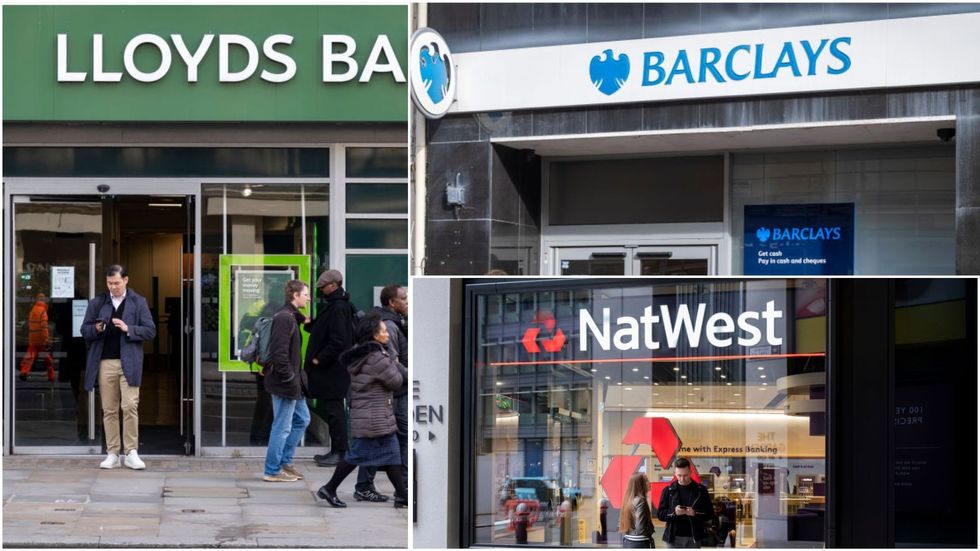
How will you bank be impacted by the rule change?
| GETTY /PAMr Jones acknowledged that if a physical card ends up in criminal hands, elevated limits could result in greater losses before the card is cancelled.
However, he cited that card issuers maintain comprehensive fraud detection tools capable of identifying unusual behaviour patterns.
Crucially, existing consumer protections will continue to apply under the new framework. Customers must still be reimbursed in cases of unauthorised fraud, such as when a card is lost or stolen.
Azimkhon Askarov, the co-CEO and partner at payment platform CONCRYT, warned that elevated transaction values would inevitably draw the attention of fraudsters.
The changes come following new regulations from the FCA
| PAMr Askarov said: "Globally, we've seen those higher contactless limits correlate with increased fraud attempts, particularly in regions like Europe and North America."
He emphasised that banks, retailers and payment providers must counterbalance this shift with sophisticated safeguards, including advanced fraud detection systems, real-time monitoring of transactions and behavioural analytics to identify suspicious activity.
Current fraud levels associated with contactless payments remain relatively modest, with approximately 1.3 pence lost for every £100 spent through tap-to-pay methods.
More From GB News