










Capital gains tax (CGT) revenues surged dramatically in the opening months of 2026 due to "frozen thresholds", according to figures released earlier this week by HM Revenue & Customs (HMRC).
The tax authority reported that CGT receipts totalled £19.7billion across January and February, a striking 73 per cent jump from the £11.4billion collected during the equivalent period last year.
The substantial increase has prompted wealth management professionals to examine what drove such a significant rise in the Government's tax take from asset sales.
HMRC's figures cover self-assessment payments for the 2024/25 tax year, a period that preceded the October 2024 Budget when CGT rates were increased.

Capital gains tax bill SURGES as Britons fork over £19.7bn due to 'frozen HMRC thresholds'
|GETTY
Jason Hollands, managing director at wealth management firm Evelyn Partners, suggested the spike was largely driven by investors offloading assets in anticipation of higher tax rates.
He said: "The January and February receipts include the payment of self-assessment bills for the 2024/25 tax year so it could reflect investors, from April 2024, disposing of assets ahead of an expected rise in CGT rates that duly arrived at the October 2024 Budget."
Mr Hollands noted that prior to the Budget, many asset holders had expected even steeper increases, with some Labour MPs having pushed for CGT rates to match income tax levels.
Analysts note that this widespread expectation of higher rates likely prompted significant pre-emptive selling.
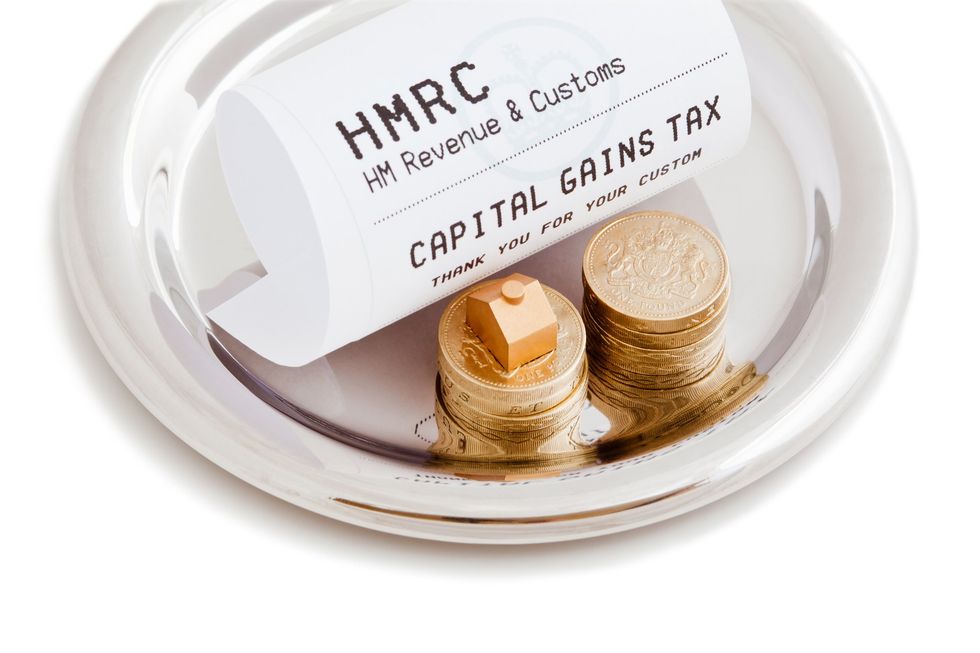
Do you pay capital gains tax?
|GETTY
LATEST DEVELOPMENTS
 Rachel Reeves is attempting to bolster the UK economy | RACHEL REEVES / LINKEDIN
 According to Mr Hollands, the diminished annual exemption of just £3,000 amplified the tax revenues from these pre-Budget sales.
The previous Government had slashed this tax-free threshold from £12,300 in 2022/23, leaving investors with minimal protection when disposing of assets.
He added: "As the annual exemption had been slashed by the previous Government to a meagre £3,000 by April 2024 there was and remains little protection against CGT for investors selling assets, which will have turbo-charged the revenues from any pre-Budget disposals."
Interestingly, historical data suggests the reduced exemption alone did not boost Treasury coffers. CGT receipts actually fell from £16.93 billion in 2022/23 to £13.06 billion in 2024/25.
Britons are paying more to the tax man
| GETTYAdrian Murphy, chief executive of Murphy Wealth, highlighted the broader pattern of Government policy squeezing taxpayers through frozen thresholds and shrinking allowances.
Mr Murphy said: "From a tax and savings perspective, there's a clear direction from the Government: frozen thresholds and reduced allowances.
"While it's always been important to use as much as you can of the various options to shelter savings and investments from tax, it's more important than ever given they could be cut further in the years ahead."
He noted that CGT rates currently stand at either 18 or 24 per cent depending on the asset type and taxpayer status, with the annual allowance unable to be carried forward to future years.
More From GB News