








British Gas has issued a warning that approximately 54,000 UK households are expected to require assistance with their heating and hot water systems in the coming week as temperatures fall below freezing.
The energy provider anticipates that frozen pipes will account for the bulk of emergency callouts during the cold spell.
The coming cold snap is a sudden change after a record-breaking mild December, leaving many homes unprepared for freezing temperatures.
When conditions drop below zero, poorly insulated pipes can freeze, causing ice to build up inside and crack the pipe, often leading to leaks or flooding when it thaws.
Last winter alone, British Gas engineers dealt with more than 1.2 million callouts to fix broken boilers and restore heating and hot water.
Joanna Flowers, a British Gas service and repair engineer, has offered guidance for householders facing heating problems during the freeze.
"Frozen pipes are one of the most common issues we see during cold snaps, but the good news is they're usually simple to sort out if you act quickly," she said.
For those with modern condensing boilers, the condensate pipe is typically the culprit. This plastic pipe runs from the boiler to an external outlet, where frost buildup can be spotted.
To safely defrost an affected pipe, Ms Flowers recommends gradually pouring hot water over the frozen section, though boiling water should be avoided. Placing a hot water bottle against the pipe can also help melt the ice blockage.
Once the pipe has thawed, the boiler should be reset and will typically fire up without further issues if frozen pipework was the underlying problem.
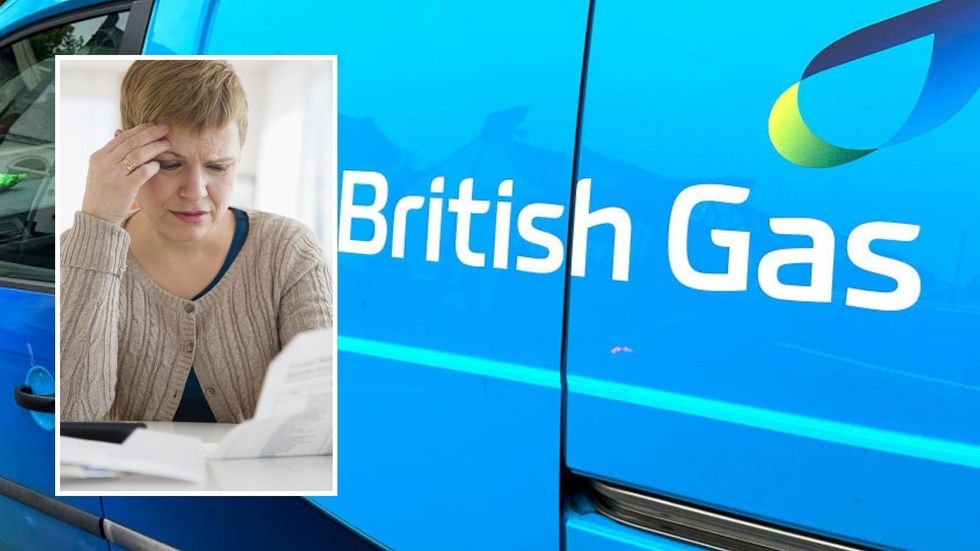
Once the pipe has thawed, the boiler should be reset and will typically fire up without further issues if frozen pipework was the underlying problem
| GETTYHowever, householders who suspect a burst pipe need to act immediately. Warning signs include a sudden loss of water pressure, damp patches appearing on walls, or visible water marks on floors.
In such cases, the water supply should be shut off at the stopcock without delay, followed by opening all taps to drain the system completely.
The supply must remain off until a qualified engineer has inspected the damage and completed any necessary repairs.
"If you do run into any issues and you call before 11am, one of our engineers will be with you the same day," Ms Flowers added.
Householders who suspect a burst pipe need to act immediately
| GETTYTo help prevent frozen pipes and other winter heating problems, Ms Flowers recommends a few simple steps households can take in advance. If radiators feel cold at the top but warm at the bottom, this usually means air is trapped inside, which can be released by switching the heating off, letting it cool, and then using a radiator key to open the valve at the top until the air escapes.
She also advises sealing gaps around windows and doors, as this can reduce heat loss and cut energy bills by up to £60 a year.
Self-adhesive foam strips are effective around window frames, while draught excluders can stop cold air coming in under doors. Smaller gaps can also be tackled cheaply with keyhole covers and letterbox brushes.
Ms Flowers adds that how furniture is arranged can make a big difference, as sofas placed directly in front of radiators block heat from spreading properly around the room.
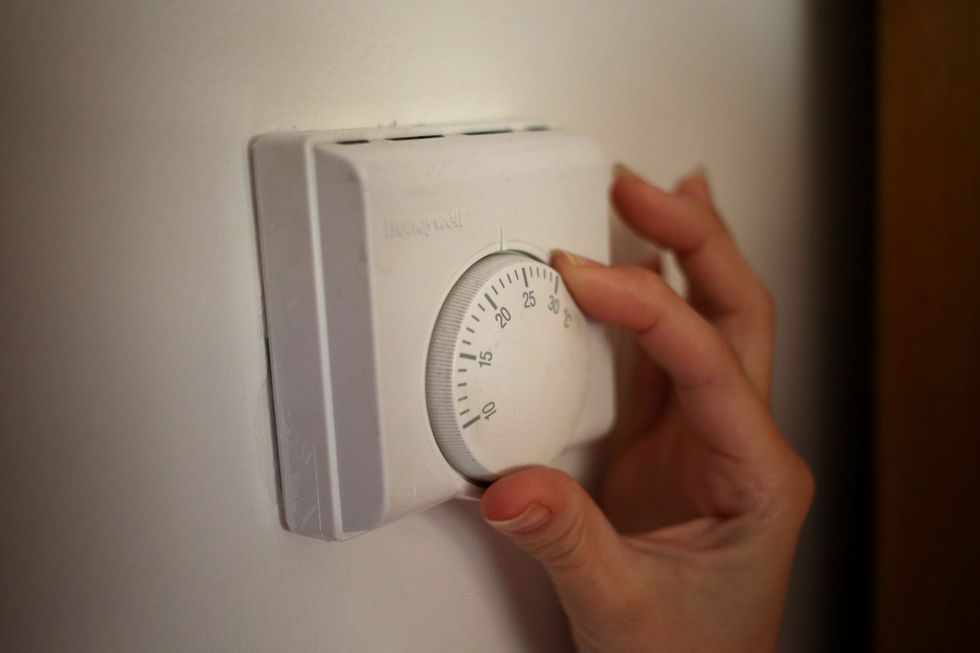
Maintaining the thermostat between 18°C and 21°C offers both comfort and cost efficiency
| PAWrapping pipes with low-cost insulation from DIY stores is one of the simplest ways households can prevent them freezing and avoid costly damage. Experts also advise keeping thermostats set between 18°C and 21°C, as reducing the temperature by just one degree can cut heating costs by around 10 per cent, saving the average household roughly £75 a year.
Programming heating systems to switch on about 15 minutes before people wake up and turn off around half an hour before bedtime can help conserve energy without sacrificing comfort. Turning off radiators in unused rooms, such as spare bedrooms or home offices, and keeping doors closed helps stop heat escaping.
Smart thermostats allow heating to be controlled remotely and make it easier to monitor spending, with some devices, including the Hive Thermostat, potentially saving households up to £174 a year.
More From GB News