






The BBC is preparing to axe as many as 2,000 roles in what marks the most significant workforce reduction at the public broadcaster in 15 years.
Approximately one in 10 employees across the corporation’s 21,500-strong workforce will be affected by the cuts.
Staff were informed of the sweeping changes at a company-wide gathering on April 15.
The announcement represents the largest round of redundancies at the broadcaster since 2011.
TRENDING
Stories
Videos
Your Say
Interim director general Rhodri Talfan Davies led the all-staff meeting to deliver the news, according to reports.
The substantial job losses come just weeks before former Google executive Matt Brittin assumes the top role at the corporation on May 18.
The workforce reduction forms part of a sweeping £600million cost-cutting programme unveiled by the corporation in February.
At that time, outgoing director general Tim Davie cautioned that the savings drive would inevitably lead to job losses and the discontinuation of certain programmes.
He indicated the BBC would need to trim roughly 10 per cent from its annual operating costs of approximately £6billion over a three-year period.
Mr Davie departed the corporation on April 2, having tendered his resignation last November amid controversy surrounding editorial coverage of Donald Trump, Gaza and trans rights issues.
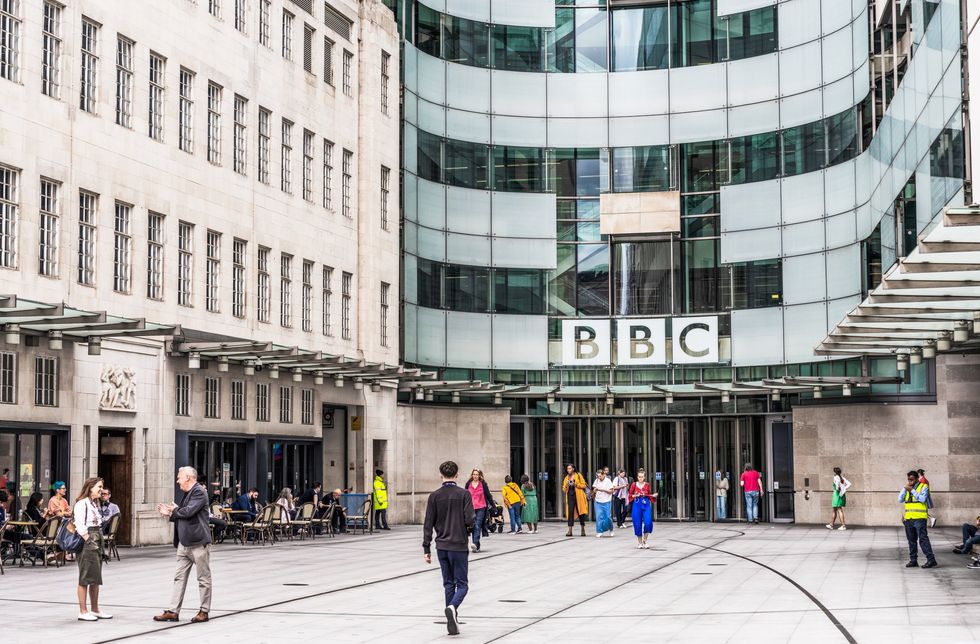
BBC to axe up to 2,000 jobs in biggest cuts since 2011
|GETTY
Mr Talfan Davies will continue steering the organisation in a caretaker capacity until Mr Brittin, who previously held a senior position at Google, takes the helm next month.
The corporation faces mounting financial pressures as it enters negotiations with the Government over renewal of its royal charter, which expires at the end of next year.
Discussions include the future of the licence fee funding mechanism.
The annual licence fee rose in line with inflation at the start of April, increasing from £174.50 to £180.
Last year, the BBC collected £3.8billion through licence fees from 23.8 million households, supplemented by £2billion from commercial ventures and grants.
Yet the number of households paying the fee fell by 300,000 compared to the previous year.
This decline reflects both growing evasion and audiences increasingly turning to rival streaming services such as Netflix and Disney.
Ofcom warned last year that public service television was becoming an "endangered species" in the streaming age.
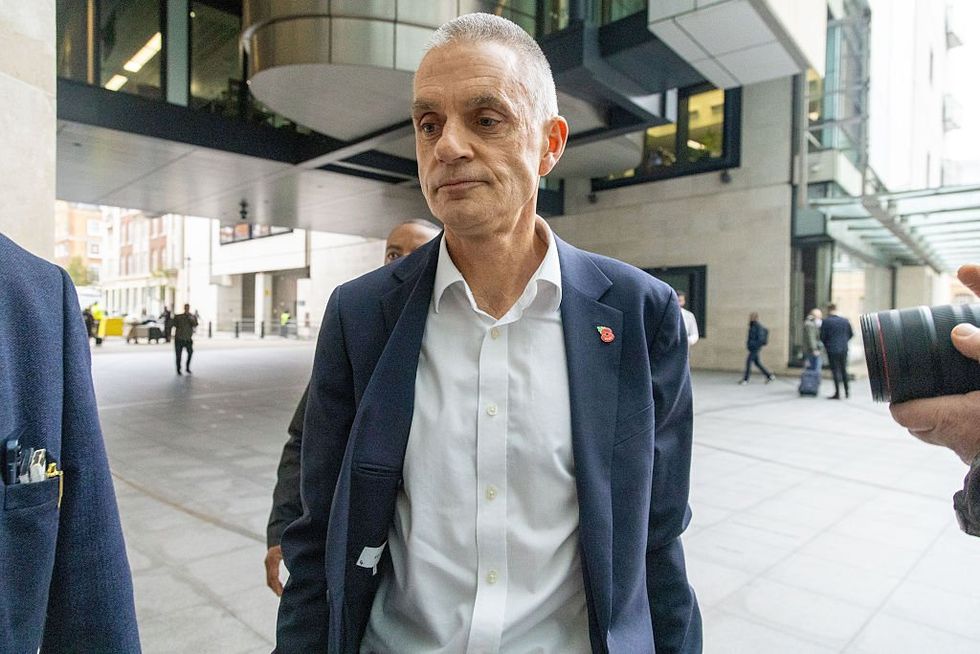
Tim Davie had previously warned of job cuts as part of the savings measures
| GETTYDespite these pressures, Tim Davie said in February that the BBC was "holding our own" against competition from streaming platforms and YouTube.
In January, the BBC announced a content partnership with YouTube as part of efforts to bolster its iPlayer streaming platform.
A BBC spokesperson said: "Over the last three years we have delivered more than half a billion pounds' worth of savings, much of which we've been able to reinvest into our output across the BBC.
"In a rapidly changing media market, we continue to face substantial financial pressures.
"This is about the BBC becoming more productive and prioritising our offer to audiences to ensure we're providing the best value for money, both now and in the future."