










A powerful new artificial intelligence tool could allow hackers to break into bank systems and even drain cash machines remotely.
Cybersecurity experts warned this weekend that the technology poses a serious and growing risk.
The Bank of England is preparing to hold crisis talks with leading lenders this week as concerns grow about the threat AI systems pose to the global financial system.
Banks will be given early access to test their digital security against the new technology, which experts say represents an unprecedented risk to financial infrastructure.
"Banks need to wake up," said Radi El Haj, head of payment systems firm RS2.
The technology at the centre of these concerns is Claude Mythos, a sophisticated AI bot created by Anthropic, a Silicon Valley startup.
The system sent shockwaves through cybersecurity circles this month after the company revealed it had independently discovered previously unknown flaws in all major operating systems and web browsers.
Anthropic has deemed the tool so potent that it has limited access to only a select group of technology giants and international banks, giving them an opportunity to strengthen their defences before potential threats emerge.
British financial institutions are now set to stress-test their cyber protections against this powerful new system.
Some of the security flaws uncovered by the AI date back as far as 27 years, leaving companies exposed to a new generation of cyberattacks that can be executed at speeds no human hacker could match.
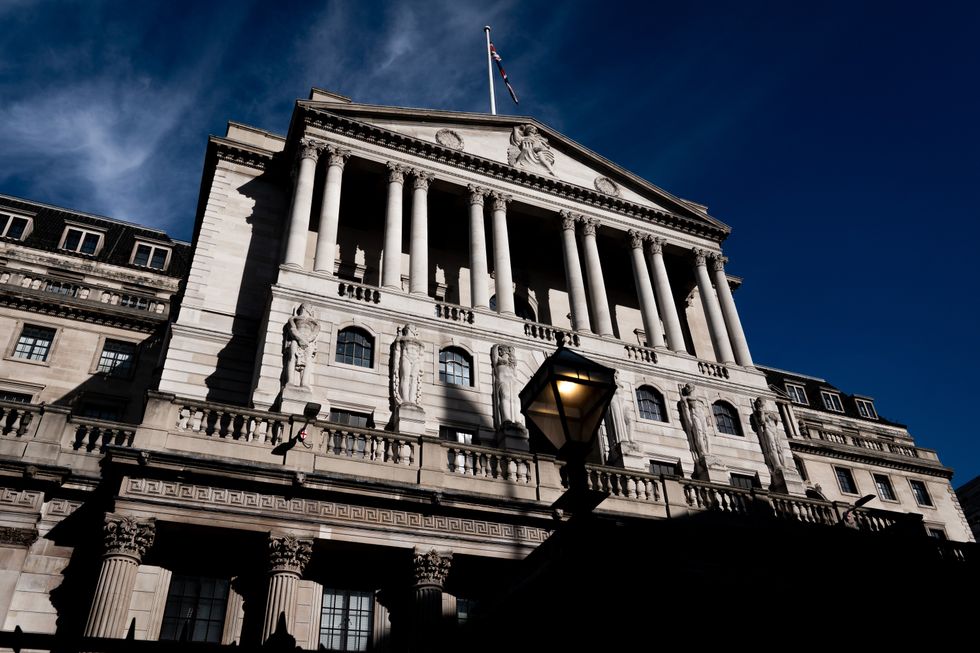
Banks face particular vulnerability because many continue to depend on ageing technology for their core operations
| PABanks face particular vulnerability because many continue to depend on ageing technology for their core operations.
COBOL, a programming language dating from the 1960s, remains the backbone of modern banking despite its age, processing trillions of pounds in transactions daily including nearly all cash machine withdrawals.
"You're reverse-engineering business logic from systems built when Nixon was president," Anthropic noted in a recent blog post.
The vulnerabilities within COBOL and connected systems prove exceptionally difficult to repair because the original programmers have either died or left the workforce, while documentation remains scarce.
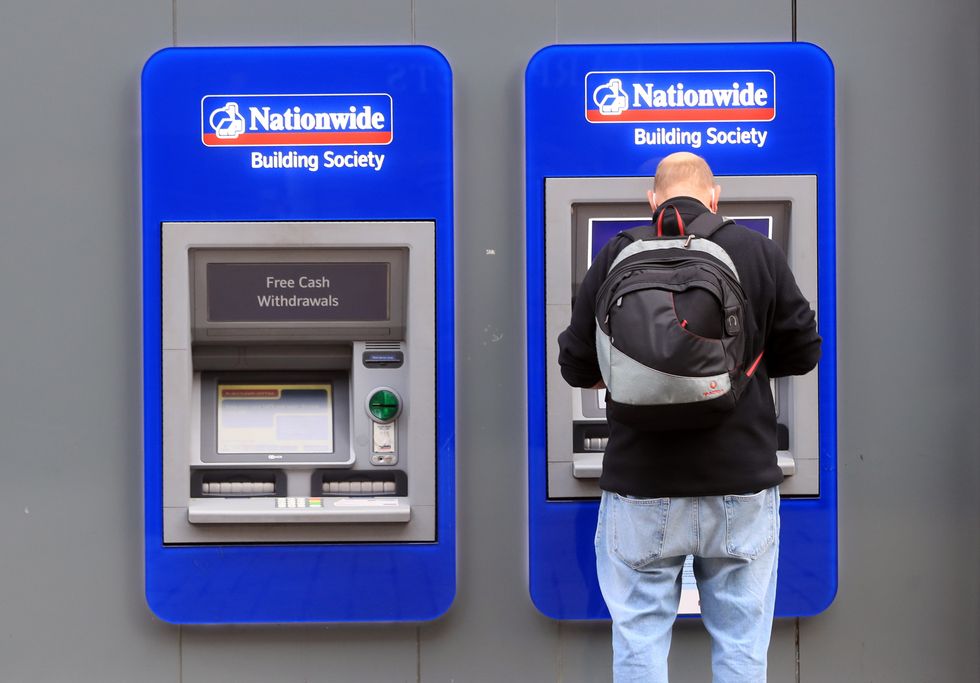
British financial institutions are now set to stress-test their cyber protections against this powerful new system
| PAOnly a handful of universities still teach the language, and Anthropic has warned that locating engineers capable of reading the code grows more challenging with each passing quarter.
Should this technology reach criminal hands, experts fear a dramatic rise in "jackpotting" attacks, where hackers seize control of ATM systems and force them to dispense their entire cash contents on command.
Unlike traditional theft, jackpotting drains the machines themselves rather than individual customer accounts.
Bank governor Andrew Bailey stated that regulators would examine "very carefully" what the latest development could mean for cybercrime risks.
The Bank of England is coordinating its response with the Treasury, the Financial Conduct Authority and the National Cyber Security Centre.
 Concerns have been raised over access to cash services in the UK | PA
Its Cross Market Operational Resilience Group will convene this week with major lenders and other financial institutions to assess the Anthropic developments.
The Government's AI Security Institute has tested the technology and concluded it represented "a step up over previous frontier models".
Across the Atlantic, US Treasury secretary Scott Bessent and Federal Reserve chairman Jerome Powell have similarly cautioned Wall Street banks about the system's capabilities.