









British consumers switched their current accounts more than one million times during 2025, marking the third successive year this threshold has been breached, according to new data.
Figures from the Current Account Switch Service (CASS) reveal that 1,054,521 people moved their banking arrangements throughout the year to take advantage of competitive savings interest rates and other bonuses.
The closing quarter proved particularly active, with 350,114 switches recorded between October and December, which is the busiest three-month period of the year. This flurry of activity came as customers sought better deals amid a competitive marketplace.
Though the million mark was surpassed once again, overall volumes fell short of 2023 and 2024 levels, when elevated interest rates had spurred greater movement in the market.

Britons are switching current accounts to take advantage of savings deals
|GETTY
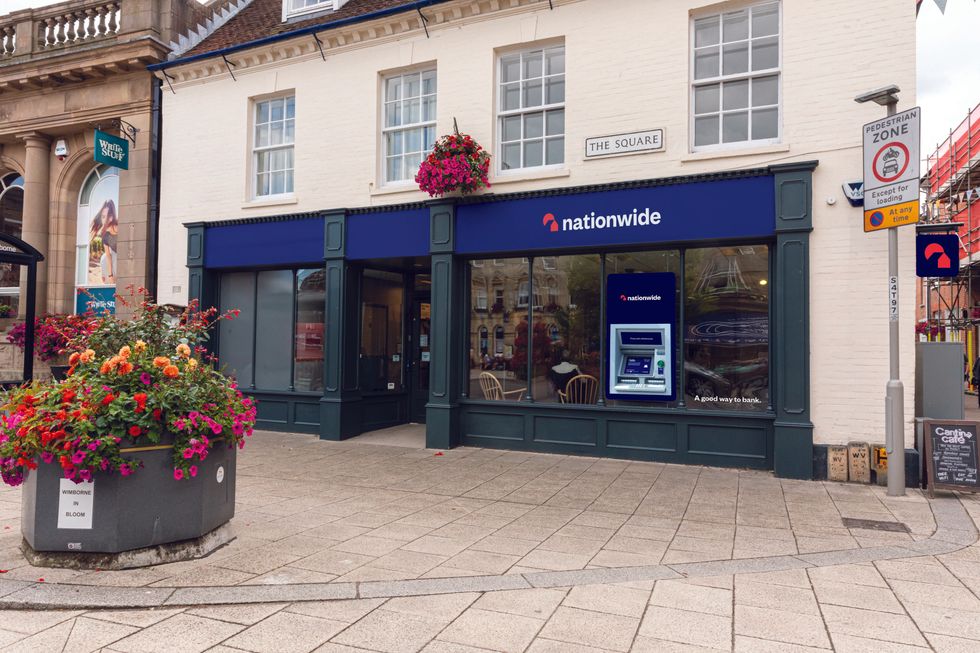
Nationwide Building Society emerged as the clear victor during the third quarter, attracting 41,450 new customers between July and September. The building society's £175 switching incentive, combined with annual payments through its profit-sharing scheme, proved irresistible to those seeking better value.
Digital challenger Monzo secured second position, welcoming 9,934 new account holders during the same period. NatWest claimed third place with 8,731 customers making the switch.
CASS reports its data with a three-month delay, meaning the most recent available figures cover the summer months. Not all institutions fared so well during this period, however.
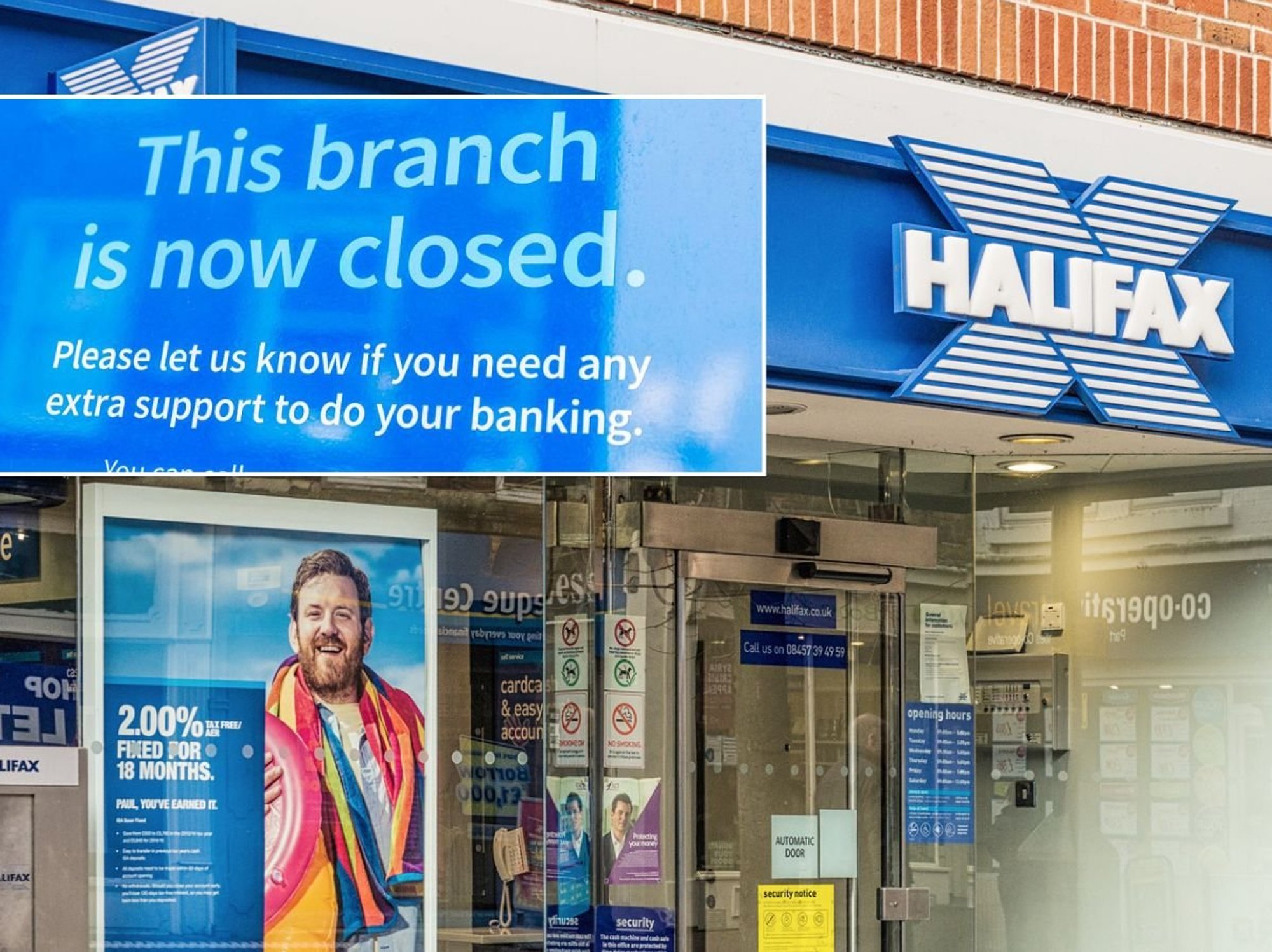
Santander witnessed the sharpest exodus, losing nearly 20,000 current account customers to rival providers. Halifax suffered similarly, with 17,341 account holders departing for pastures new.
 Monzo will pick 10 lucky customers each month | GETTY / MONZO
 JP Morgan's digital offering Chase also found itself on the losing side, shedding 7,623 accounts during the quarter.
These departures underscore the increasingly competitive nature of British retail banking, where customers demonstrate little hesitation in pursuing superior terms elsewhere.
The Current Account Switch Service facilitates automatic transfers, moving payments seamlessly to new providers, though some customers opt to switch through alternative means not captured in these statistics.
Industry observers have welcomed the sustained appetite for switching among British consumers.
Savers are flocking to Nationwide
| NATIONWIDE BUILDING SOCIETYJohn Dentry, product manager at Pay.UK, which operates the switching service, said: "That level of activity is a clear sign of a healthy, competitive banking market, where people feel empowered to shop around and move to an account that better meets their needs.
"At a time when every pound matters, we want consumers to feel confident they can move their money to an account that better suits their needs – quickly, easily, and with the reassurance of a free, guaranteed switch."
Andrew Hagger, personal finance expert at Moneycomms, described Nationwide as "head and shoulders above every other provider," noting the building society has attracted 404,207 customers from competitors over the past two years.
Alastair Douglas, chief executive of TotallyMoney, highlighted that seven banks now offer switching incentives of at least £175, including Co-op, First Direct, HSBC Premier, Lloyds, Nationwide, Santander and TSB.

Interest rates are expected to fall in the UK once again
| GETTYHe shared: "“And we’re unlikely to see things slow down any time soon, as a magnificent seven banks are currently offering switch incentives of at least £175, including Co-op, First Direct, HSBC Premier, Lloyds, Nationwide, Santander and TSB.
"You might also find a new bank can provide you with better service, an interest-free overdraft or high street branches.
"Loyalty doesn’t pay, but more often than not, moving your money can.”
More From GB News