



All products and promotions are independently selected by our experts. To help us provide free impartial advice, we will earn an affiliate commission if you buy something. Click here to learn more








With an endless supply of skin care products available that promise to stop the signs of ageing, it is not always easy to know which are best.
One ingredient that is making its way into more products is NAD+ (nicotinamide adenine dinucleotide), and it could be a great tool for preventing visible ageing.
It is starting to appear most commonly in eye patches, serums and net-gen "cellular" formulas, as well as in supplements. It is no surprise that anti-ageing ingredients are becoming more popular, as the Boots Beauty & Wellness Trends Report 2026 shows ageing is being reframed as increasingly modifiable.
Indeed, some 60 per cent of consumers now consider healthy ageing a top priority, with 80 per cent taking a preventative approach to their beauty routines. And NAD+ is becoming an increasingly important part of this.
TRENDING
Stories
Videos
Your Say

NAD+ can help slow down the signs of ageing
|GETTY
Head of Boots Ignite, Foresight & Trends at Boots, Grace Vernon, said: “We’re seeing a clear move from correction to prevention. Consumers want to understand what’s happening at a cellular level and how they can support their skin long-term, rather than reacting once concerns appear.
“NAD+ is particularly exciting because it’s a naturally occurring coenzyme that plays a vital role in energy production and DNA repair. As levels decline with age, it’s become a key talking point in longevity and biohacking spaces - and now that science is translating into skin care.
"We are also seeing growing consumer curiosity around ingestible NAD+ boosters and supplements, as people are looking to support cellular health from the inside out as well as through topical skin care. In 2026, consumers are investing in their ‘skin care future’, prioritising ingredients that support resilience and protection - and NAD+ sits firmly within that movement.”
What is NAD+ and how does it work?
NAD+ already exists in every cell in the body and "plays a vital role in energy production and supports processes like DNA repair and cellular regeneration".
HOW TO LOOK YOUNGER
This relates to skin as it helps it to "renew and recover from daily impacts such as pollution, UV exposure and lack of sleep".
She added: "As we age, our natural levels of NAD+ decline, which is why it has become such a talking point in longevity and biohacking spaces.
"It is an ingredient that is rooted in longevity science and energy metabolism, which makes it very appealing to consumers who are interested in future-proofing their health and their skin."
While more research is needed, a study published in the National Library of Medicine showed a topical product increased skin NAD⁺ levels by around 25 per cent, improving epidermal thickness and barrier function in photodamaged skin. This suggests that boosting NAD⁺ in skin topically can improve ageing-related skin structure.
It has long been taken as a supplement and widely talked about in medical and wellness settings, but it is now becoming more popular in the beauty space.
Vernon continued: “What we are seeing now is the beauty industry translating that science into topical skin care formats. As consumers become more familiar with longevity, they are looking for ways to incorporate that thinking into their daily routines.
"This is why we are starting to see NAD+ inspired formulations appear in products like eye patches, serums and creams. It reflects a shift towards clinically inspired skin care that focuses on long-term resilience rather than quick fixes.
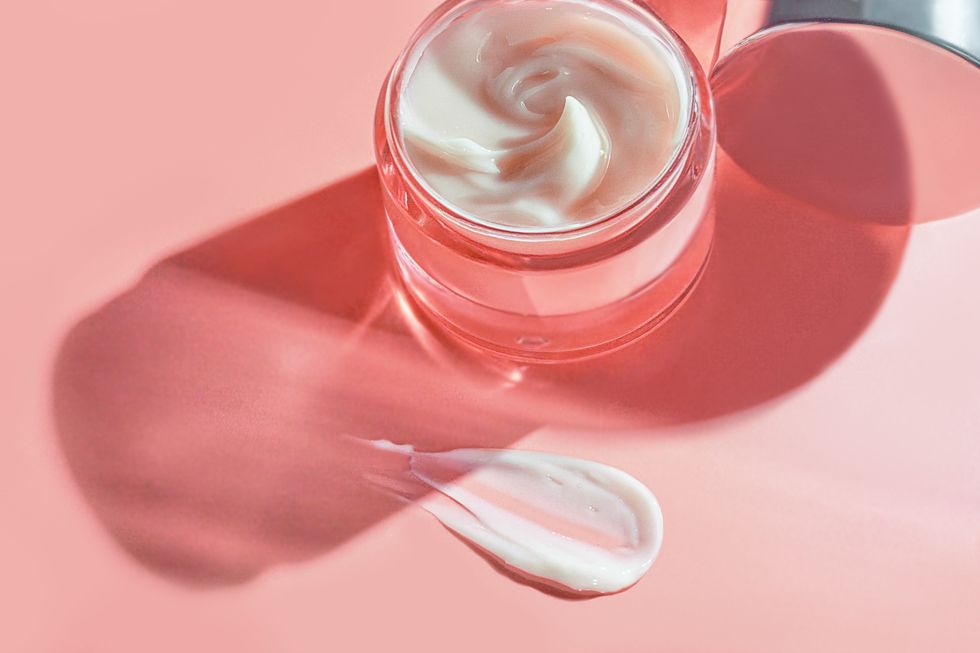
Topical creams could help boost production
| GETTY“The easiest way to incorporate NAD+ into a routine is through targeted skin care products such as serums or eye treatments. These formats allow the ingredient to sit alongside other supportive actives like peptides, antioxidants and barrier-supporting ingredients.
"In addition, some consumers are exploring ingestible formats as part of a broader wellness approach, pairing topical skin care along with internal support for overall cellular health.
“For many people, it will sit within a preventative routine. Think of it as part of a long-term maintenance approach rather than a quick solution. Consistency is key, alongside daily essentials like SPF and ingredients that support the skin barrier.”
Boots' top NAD+ picks
- Numbuzin No.9 Nad Collagen Under Eye Patches 5s, RRP: £14
- SWIISH NAD+ booster NRC + resveratrol capsules 30s, RRP: £34.95 (exclusive to Boots)
- Kind Patches NAD+ Patches, RRP: £12 (exclusive to Boots)
- Numbuzin No.9 Nad PDRN Glow Boosting Toner 150ml, RRP £17
- Artah Enhanced NAD+, Food Supplement, 60 Capsules, RRP £60
Our Standards: The GB News Editorial Charter