










Most weight-loss journeys begin with a modest reduction in calories, with low-calorie snacks often taking centre stage in a dieter’s meal plan.
But a nutritionist has warned that ultra-processed snacks marketed as ‘95-calorie’ options or less may not be the solution many people believe them to be.
Registered dietitian Jodie Relf says that, despite their attractive calorie counts, these snacks typically offer minimal nutritional value, meaning hunger can return soon after consumption.
Healthy fats are another area where well-intentioned efforts can go awry for dieters. Nuts, olive oil and avocado pack a considerable number of calories into relatively small portions.
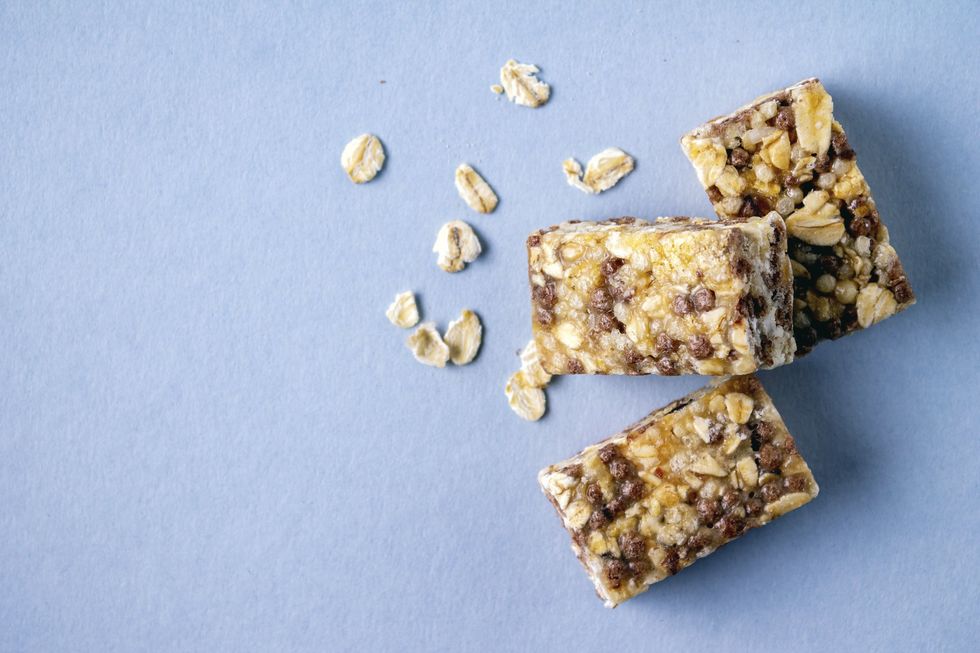
Low-calorie snacks typically offer minimal nutritional value
|GETTY
And because this calorie density makes it easy to consume more than intended, it's important to remain mindful of portion sizes.
The nutritionist told GB News: “While calories do matter, calorie counting isn’t nearly as precise as many people think.
“Food labels are estimates; we don’t absorb every calorie we consume.”
“Some calories are used during digestion and metabolism, and our energy requirements can vary from day to day depending on factors such as movement, sleep, illness, stress, and for women, different stages of the menstrual cycle.
“Rather than becoming overly focused on numbers, I’d encourage people to focus on choosing foods with high nutritional value.
“Prioritise high-quality carbohydrates, plenty of fruits and vegetables to increase fibre intake, a good quality protein source and some healthy fats.
LATEST DEVELOPMENTS
“Protein, fats and fibre help keep us fuller for longer, while also providing the body with essential nutrients.
“Focusing on the overall quality of our diet is often a much more sustainable approach than obsessing over calories alone.”
Registered dietitian Dawn Menning recommends being particularly cautious with foods such as fruit-flavoured yoghurts, explaining that some brands contain up to 13 grams of added sugar.
“This is almost half of the recommended daily intake for women,” she noted. “Excess consumption of added sugar can lead to obesity, type 2 diabetes and some types of cancer.”
Dieters should prioritise high-quality carbohydrates, plenty of fruits and vegetables
|GETTY
She also points to plant-based burgers, noting that people often assume they are healthier than lean beef burgers.
“While they can be a useful way to transition towards more plant-based eating, these meat alternatives are often high in sodium and saturated fat, and highly processed, containing additives and preservatives.”
Our Standards: The GB News Editorial Charter