








Experts have questioned the results of a report which suggested that electric car sales have soared in recent months because of rising petrol prices, and not natural demand.
New data from AutoTrader found that only 10 per cent of recent petrol and diesel car buyers considered an electric car.
Those who bought a new or used petrol and diesel car still have reservations about EVs, including the upfront cost, inconvenient charging, and a lack of charging near their homes.
Ian Plummer, chief customer officer at AutoTrader, said there were "problems" in the market if so few car buyers had considered an electric car.
He added that there was a "real risk" that geopolitical concerns had caused a "temporary sugar rush" for electric cars.
Data shows that 43,931 new electric cars were sold in May, capturing 27.3 per cent of the market and showing an impressive 34.2 per cent growth in registrations year-on-year.
In total, almost one in four new vehicles sold this year have been electric, with a total of 220,000, making it the second-most popular powertrain, falling only behind petrol (406,453).
Tanya Sinclair, CEO of Electric Vehicles UK, acknowledged that there are some real barriers to entry for motorists across the UK, although EVUK is designed to correct any misguided fears.
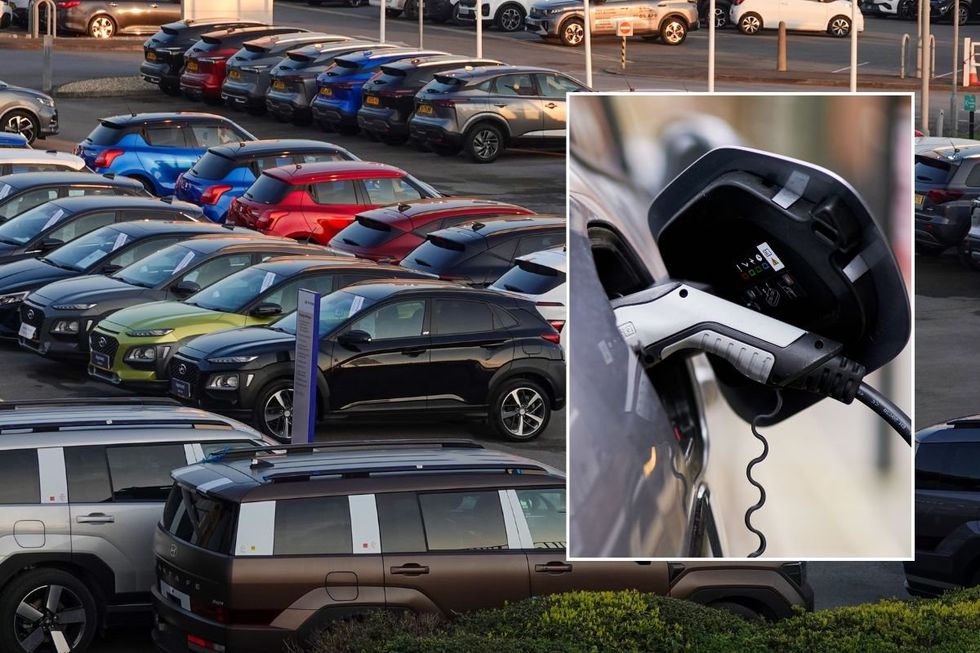
Experts have praised the continued sales growth of electric cars
|GETTY
She said: "Let's be careful not to let legitimate concerns harden into a narrative that overstates consumer resistance.
"When only 10 per cent of non-EV buyers say they considered going electric, that's not just a confidence problem; it's an information problem."
Ms Sinclair highlighted that the average new EV is now price-competitive with petrol, while ranges are now comfortably over 300 miles for many vehicles.
There are also more than 120,000 public chargers around the UK, with tens of thousands more chargers set to be installed over the coming months and years.
LATEST DEVELOPMENTS
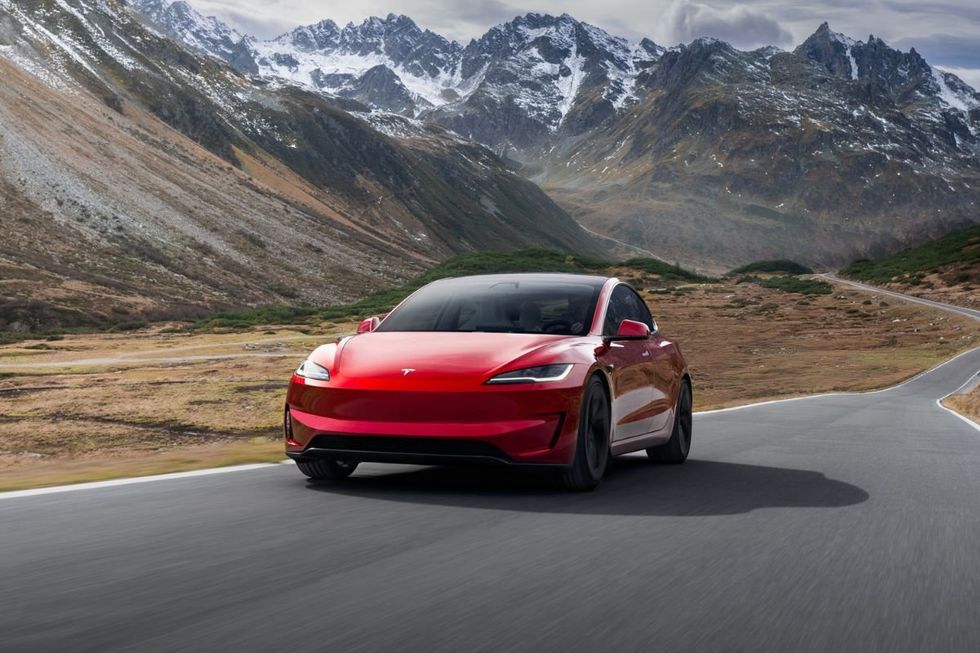
Many popular electric cars now have battery ranges of more than 300 miles
| TESLAThis was echoed by Voltempo CEO Simon Smith, who said range anxiety and charging confidence fears were valid, but that steps were being taken to ensure that the transition away from petrol and diesel is completed.
He added: "In the commercial vehicle sector, where we're working with fleet operators to electrify heavy goods vehicles, we see something very different: procurement decisions driven by total cost of ownership, operational logic, and long-term certainty, not petrol price sentiment.
"The eHGV market is moving because the economics work and the regulatory direction is clear. That's what structural demand looks like."
Petrol and diesel prices remain expensive as instability in the Middle East continues to impact global oil prices, forcing drivers to fork out the highest costs in more than three years.
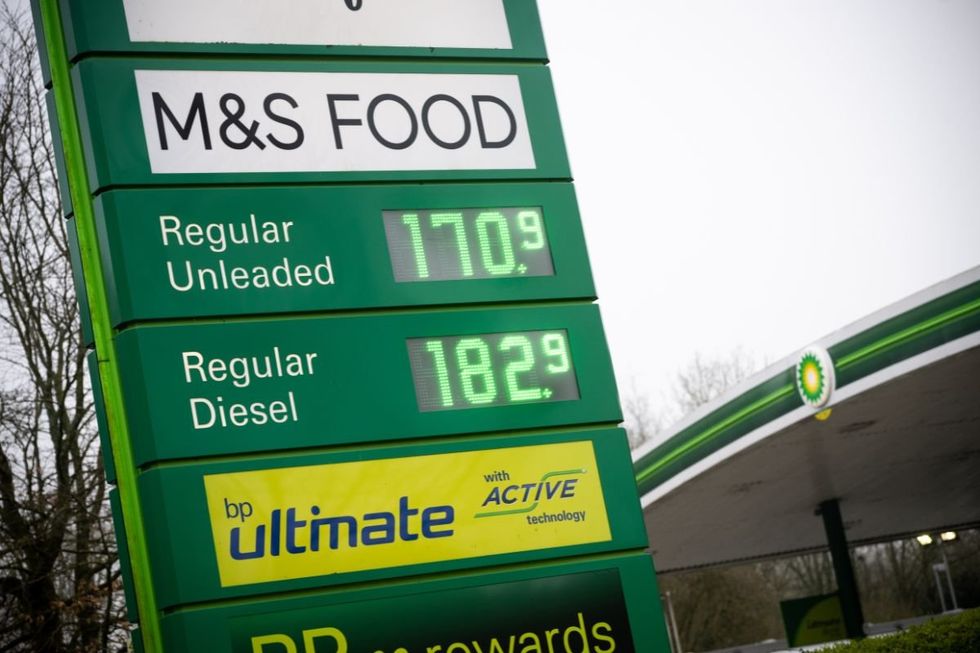
Diesel prices peaked on April 15, while petrol costs continue to fluctuate across the UK
| GETTYBen Nelmes, CEO of New AutoMotive, said calling the growing trend of electric car sales a "sugar rush" as a result of rising prices was incorrect, describing it as a "penny drop" moment.
"Here's the thing about EV drivers: once they switch, they don't switch back. Every driver who makes the move this year is a permanent convert, not a temporary one," he added.
Dr Andy Palmer, CEO, Founder and CEO, Palmer Automotive Ltd, said: "I've run car companies through fuel price spikes before. What's different now is the product is ready and the economic argument is persuasive.
"EVs are simply better cars for most of our needs, and the industry has bet its entire capital base on them. That bet doesn't get unwound because petrol drops 10p a litre.
"Demand built on a superior product at price parity and materially lower running costs is not a sugar rush. It's the market doing what markets do."