










The UK has seen the strongest May of car sales since before the coronavirus pandemic, with electric vehicles seeing a huge increase in registrations.
Fresh data from the Society of Motor Manufacturers and Traders (SMMT) shows that 160,662 new cars were registered last month, showing a positive 7.1 per cent growth in sales.
While petrol remains the most popular option with 66,223 new sales and 41.2 per cent of the market share, electric vehicles saw a massive 34.2 per cent uplift in sales.
Almost 44,000 new electric cars were registered, taking the powertrain's total market share to an impressive 27.3 per cent.
The SMMT noted that drivers had taken advantage of the Government's Electric Car Grant, in addition to discounts from manufacturers, which have helped many EVs reach price parity with petrol and diesel models.
Keir Mather, Aviation, Maritime and Decarbonisation Minister, said: "A 34 per cent surge in EV registrations compared with last year shows the switch to electric is well and truly underway, with May going down as another record-breaking month."
He highlighted the benefits of the Electric Car Grant, which can help motorists save up to £3,750 off the price of a new EV, with more than 50 vehicles eligible.
Mr Mathers, the Labour MP for Selby, added that the Government had provided more than £600million in funding for public chargers and would continue to support the transition.
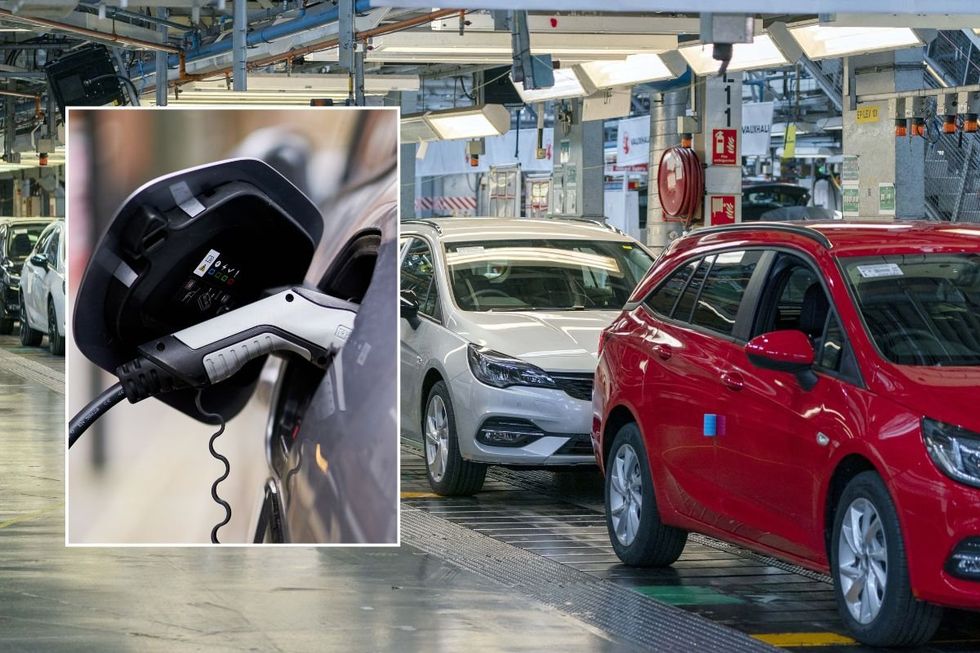
Electric car sales soared in May as drivers made use of Government grants and manufacturer discounts
|PA
Despite this, the SMMT warned that electric car sales remained below the required 33 per cent target outlined in the Zero Emission Vehicle (ZEV) mandate.
It acknowledged that manufacturers could rely on "various flexibilities" to meet regulations and avoid hefty fines for every polluting vehicle sold above the limit.
The recent Government Carbon Budget suggested that electric vehicles would make up around 95 per cent of the new UK car and van market by the end of the decade.
This would be higher than the ZEV mandate target of 80 per cent for cars and 70 per cent for vans, prompting a warning from SMMT chief executive Mike Hawes.
LATEST DEVELOPMENTS
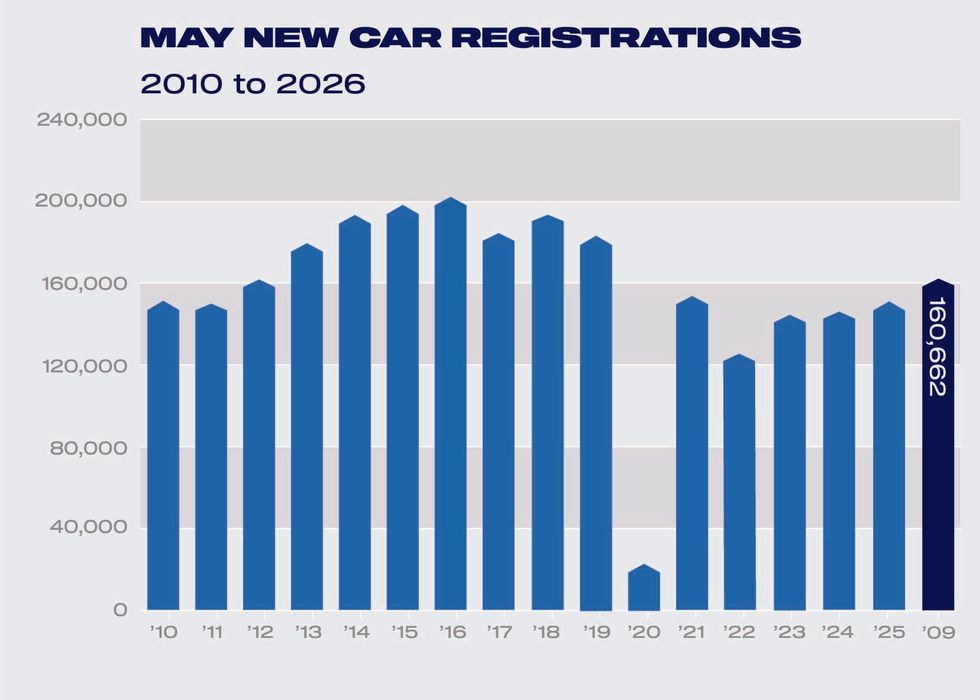
Car sales in May reached their highest level since before the pandemic in 2019
|SMMT
He said: "The EV transition is progressing, but consumer uptake still lags behind even today's targets, let alone the ambition set out in the latest Carbon Budget.
"While industry shares the long-term ambition, the pathway to net zero must be credible. It cannot come at the cost of lost competitiveness and deindustrialisation."
The latest car sales figures were met with support from the motoring industry, which emphasised the enormous growth in electric vehicles.
Jon Lawes, managing director at Novuna Vehicle Solutions, said competition was helping the EV market to grow, with drivers having a wide variety of options at affordable prices.
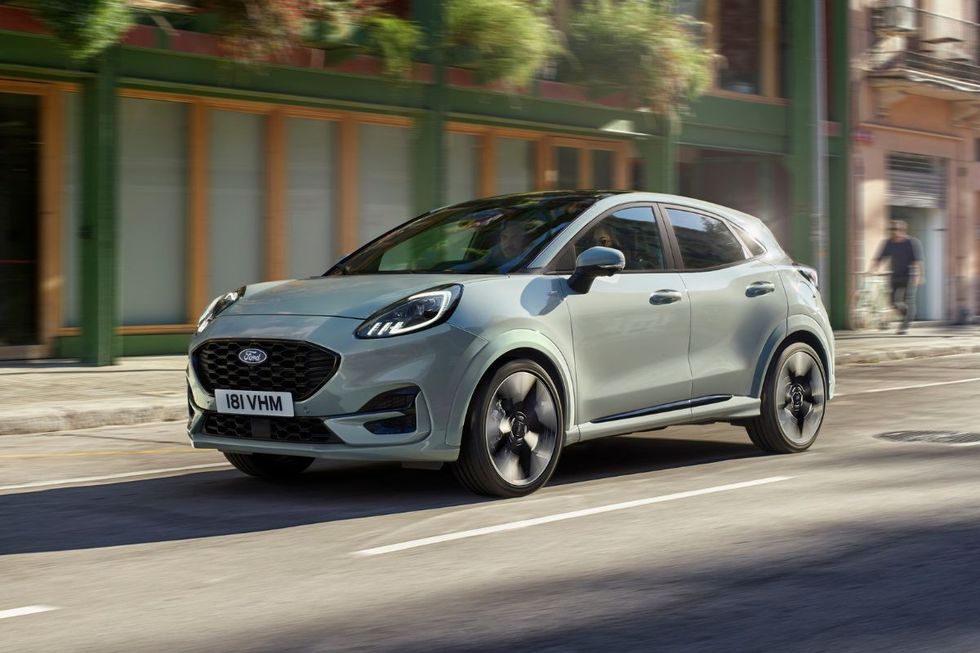
The Ford Puma remains the most popular car in the UK with 4,019 sales in May
| FORD"May's rise in EV registrations is encouraging, but it also underlines the widening gap between ZEV mandate ambition and underlying consumer demand," Mr Lawes added.
Jamie Hamilton, automotive partner and head of electric vehicles at Deloitte, suggested that EV sales could continue to grow as drivers are put off by expensive fuel prices.
He said: "The number of consumers expecting fuel prices to be higher next month remains well above the long-term average, with three quarters of consumers anticipating a rise in the cost compared to half just two months ago.
"This will continue to play a role in influencing consumer purchasing decisions, whether it's the affordability of petrol and diesel vehicles, or the attractiveness of going all-electric."