







Rising fuel prices and driving costs have been driving motorists to contemplate abandoning their petrol and diesel vehicles in favour of electric cars, according to new research.
A survey revealed that a staggering 56 per cent of drivers would be swayed towards purchasing an EV if fuel prices continue climbing.
The financial strain on motorists is already evident, with nearly two-thirds (62 per cent) reporting they are struggling with the expense of filling up their tanks.
This has become more apparent through recent changes announced at the Autumn Budget by Rachel Reeves, with petrol and diesel drivers seeing the 5p per litre fuel duty cut slowly removed.
TRENDING
Stories
Videos
Your Say
The Chancellor also increased car tax contributions for petrol and diesel vehicles this year, while the Congestion Charge has also risen in price.
The findings come as the country approaches the 2030 Zero Emission Vehicle deadline for ending sales of new petrol and diesel cars, leaving just four years for drivers to adapt.
Petrol prices averaged 135.68p per litre in 2025, down from 142.23p the previous year, yet the pressure on household budgets persists.
Concerns over battery longevity represent the most significant deterrent to switching to an EV, with 55 per cent of motorists citing this as a key reason for sticking with conventional vehicles.
Almost half (49 per cent) noted that the purchase price of an EV could impact their view on buying a zero emission car.
Lengthy charging periods pose another considerable worry, with the same proportion of drivers expressing reservations about the time required to power up their vehicles.
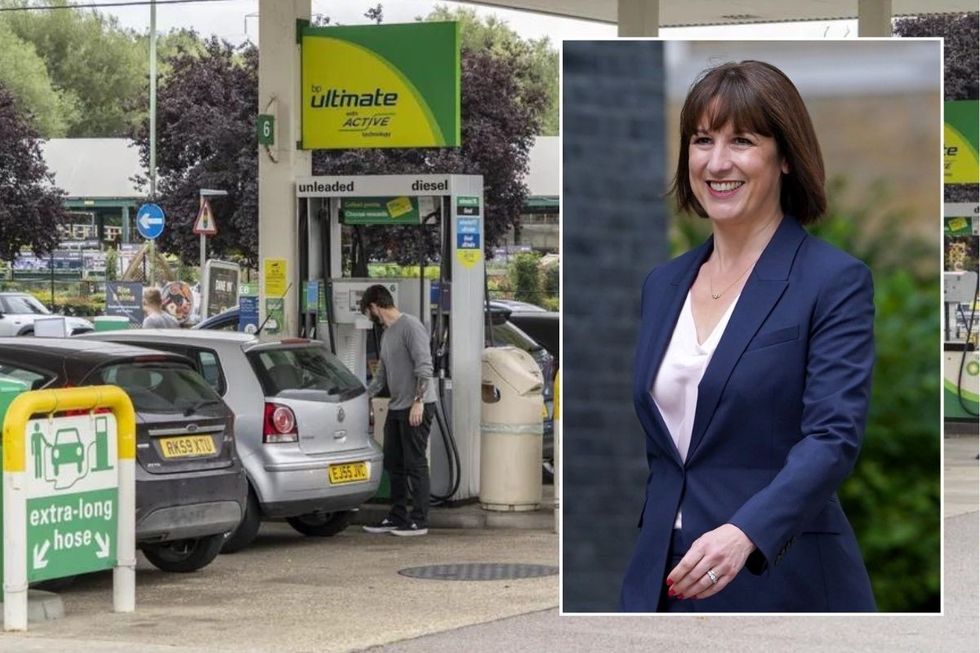
Rachel Reeves removed several driving benefits at the Autumn Budget, including axing fuel duty from September
| GETTY/PAInadequate charging infrastructure troubles 42 per cent of respondents, while 29 per cent of drivers have been put off by insurance costs.
A quarter of motorists remained entirely unmoved by any argument for switching, stating that nothing could persuade them to make the transition to electric.
Saul Turner, motoring expert at National Scrap Car, urged consumers to look beyond the initial financial hurdle and consider the broader picture.
He said: "While it's clear that the high upfront cost is the most significant financial hurdle, especially for older drivers, it's crucial that consumers look at the long-term savings."
LATEST DEVELOPMENTS
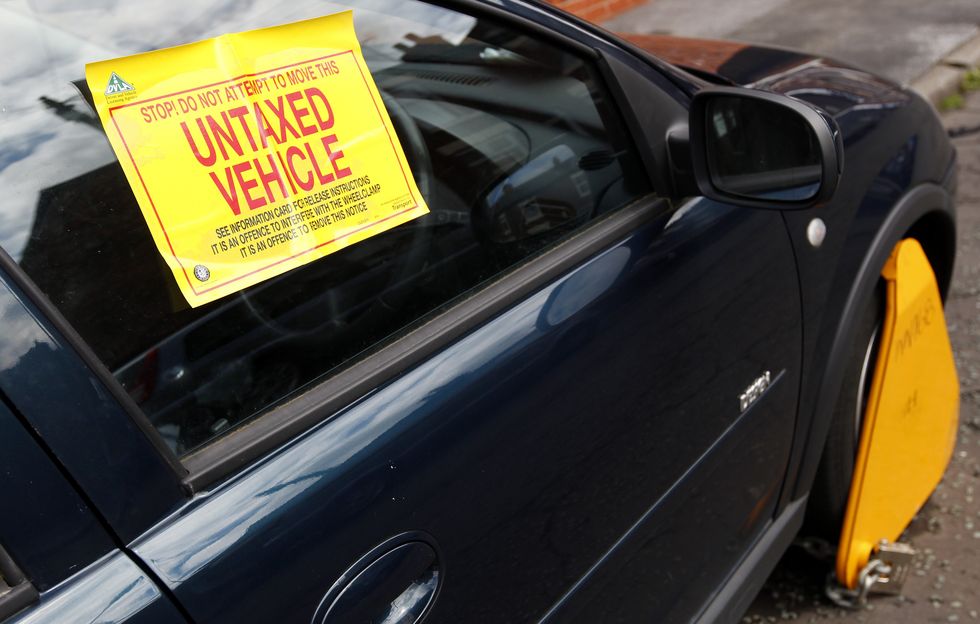
The new tax rates risk making travel costs for petrol and diesel cars exceedingly more expensive
| PAThe resistance is particularly pronounced among older generations, revealing a sharp age-related divide in attitudes towards EVs.
Drivers aged 55 and over were found to be nearly twice as likely to reject electric vehicles outright, with 43 per cent declaring they would never make the change compared to the national average of 24 per cent.
In contrast, younger motorists showed far greater openness to the technology, with only eight per cent of those aged 25 to 34 expressing similar reluctance.
Older drivers harboured heightened anxieties about specific issues, with 64 per cent concerned about purchase prices, some 15 percentage points above the national figure - alongside worries about battery durability (63 per cent) and limited driving range (58 per cent).
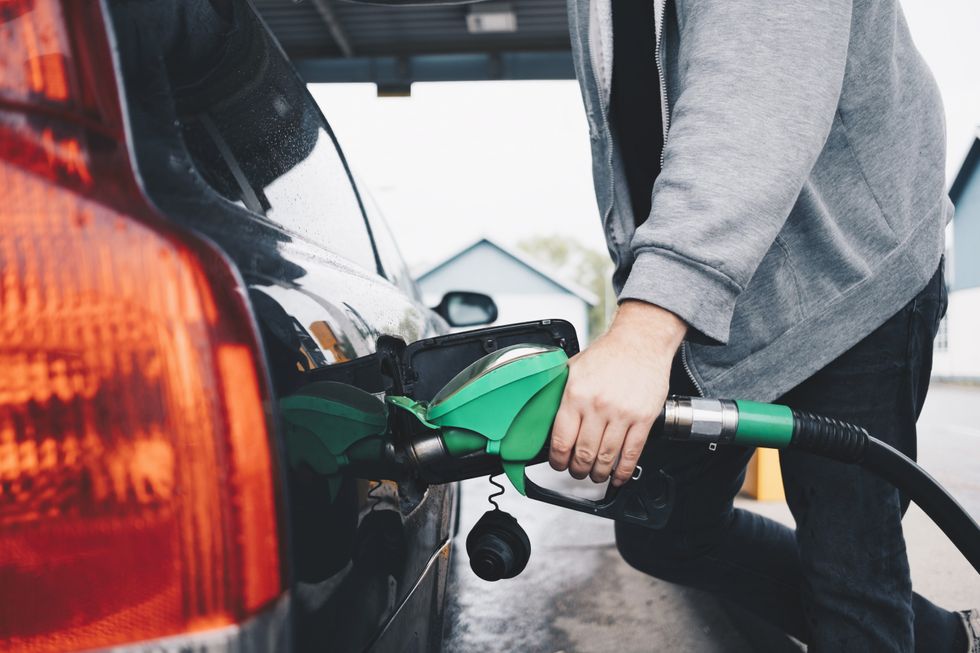
Fuel duty rates will remain frozen until August 2026
| GETTYEnvironmental factors carried less weight in drivers' decision-making, with fewer than a third (30 per cent) citing green concerns as a reason to abandon petrol or diesel.
Mr Turner highlighted that with 62 per cent of drivers currently feeling the strain at petrol stations, transitioning to electric offers an opportunity to secure fuel savings throughout a vehicle's lifetime.
He expressed optimism that rapid technological advances would address battery and charging concerns sooner than many motorists expect.
"Until then, incentives and scrappage schemes will be vital in bridging that cost gap," Mr Turner added, pointing to the support measures needed before the 2030 ban takes effect.