









New data shows that drivers across the UK will fork out millions of pounds in the coming years, with rural drivers set to face the highest per-driver annual cost.
Labour plans to roll out pay-per-mile car taxes for electric and hybrid vehicles from 2028 in a bid to claw back money lost from a drop in fuel duty revenue.
Electric cars will be charged 3p per mile, while hybrid owners are expected to pay 1.5p as the Government attempts to raise funds for road maintenance.
Budget documents state that Electric Vehicle Excise Duty (eVED) will cost an average driver around £240 a year or £20 a month, although new data suggests that some motorists could pay far more.
Analysis from the British Vehicle Rental and Leasing Association (BVRLA) and New AutoMotive states that the area of Brent East will face the highest total annual eVED bill at £7.6million.
It noted that urban, high-fleet areas would face the highest costs, including Stockport (£6.1million), Leeds South (£5.7million), Peterborough (£5.4million) and Exeter (£4.75million).
These are areas where electric vehicle uptake is already high, and where the fleets are expected to be the largest by 2028 when eVED is introduced.
High-mileage, low-fleet Parliamentary constituencies will also bear the brunt of the new pay-per-mile tax in a matter of years.
New analysis shows that drivers could be unfairly penalised by the Chancellor's incoming pay-per-mile car taxes
|PA/GETTY
Drivers in Caithness, Sutherland and Easter Ross, and South West Norfolk are estimated to face costs of between £247 and £260 each.
This is more than three times the amount expected to be paid in the City of London and Westminster, where motorists will face costs of around £79.
Toby Poston, chief executive of the BVRLA, said: "A flat pay-per-mile charge might look fair on paper, but its burden falls hardest on the drivers least able to avoid it. People who live in less connected areas don't drive more because they want to: they drive more because they have no choice.
"Their towns don't have the luxury of the network of trains, tubes and cycle lanes that make car-free living possible in cities."
LATEST DEVELOPMENTS
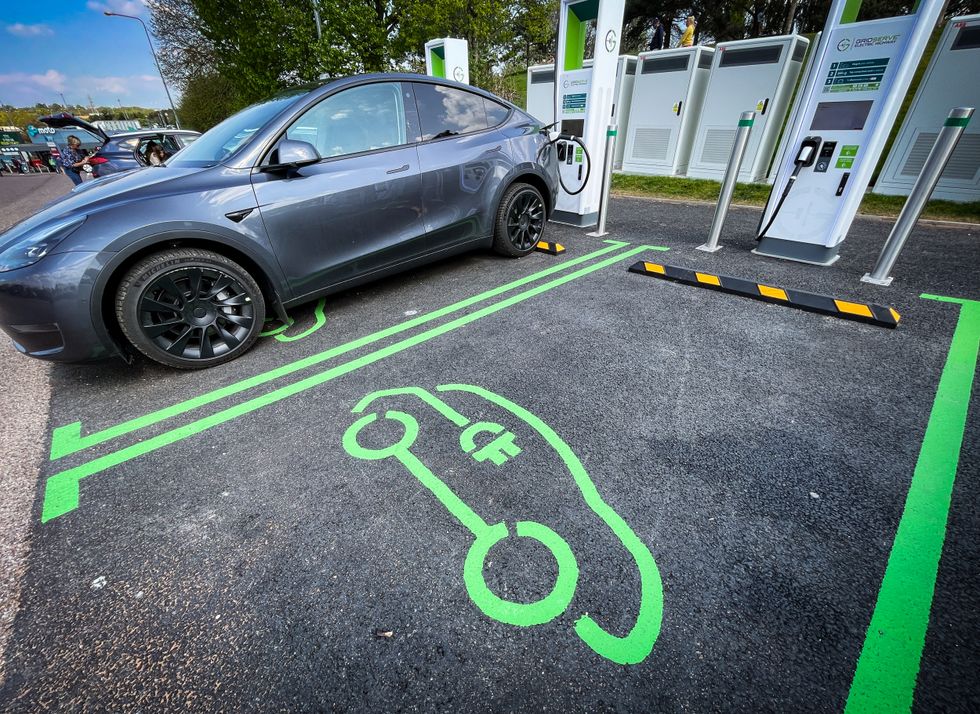
Parts of Scotland could end up paying three times more than electric car owners in London
| GETTYThe research also reinforces fears previously held about the impact that a pay-per-mile scheme would have on drivers in rural communities.
The data shows rural drivers will have the highest per-driver annual cost at around £260 since they are further away from key amenities and typically travel more often.
Experts have previously suggested giving rural drivers a certain amount of "free miles" to ensure they are not unfairly penalised, with Mr Poston stating that the Government's PPM plans were "not a fair system".
This was echoed by Tanya Sinclair, CEO of Electric Vehicles UK, who added: "The geography of this data is damning. Rural drivers, fewer chargers, longer journeys, highest bills. That is the opposite of a fair transition.
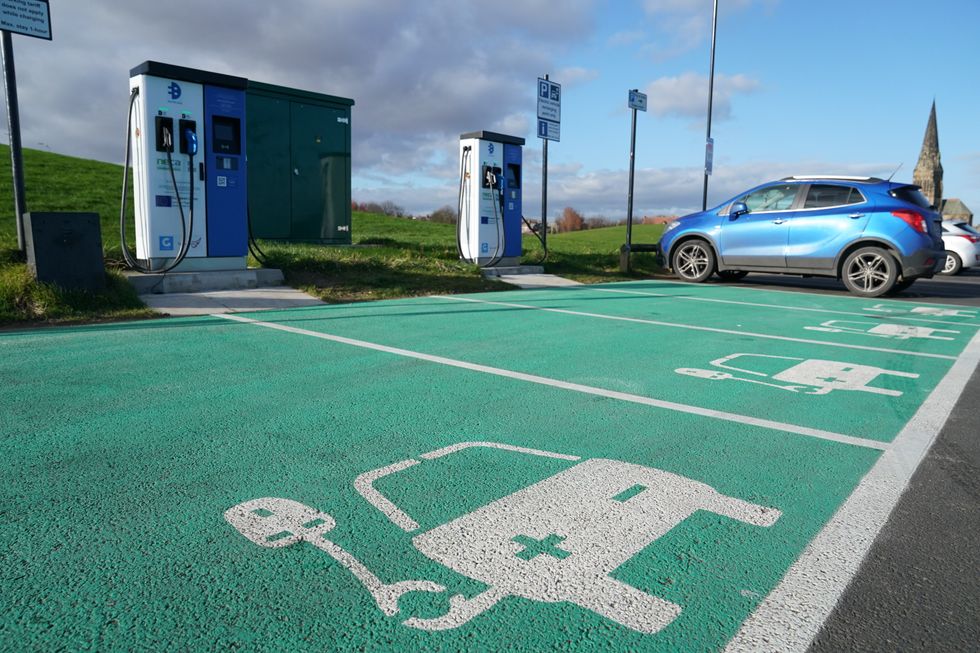
Rural drivers could face costs of up to £280 through pay-per-mile car taxes, according to new data
| PA"And this week the Government quietly confirmed it won't raise fuel duty either. So petrol gets cheaper in real terms while EV drivers are punished. If there is a coherent strategy here, it is not visible from the outside."
Rural drivers are also facing issues with charging capabilities, as they will be further from community and public chargers, further impacting their costs.
Ginny Buckley, chief executive of Electrifying.com, the electric car buying and advice site, described it as "yet another tax on everyday life" for motorists struggling with the cost of living crisis.
"If you live in a rural area, driving isn't a lifestyle choice, it's a necessity, so there's a real danger this creates an EV postcode penalty where the people with the fewest transport alternatives end up paying the most," Ms Buckley said.
A recent Electrifying.com poll of 13,000 non-EV drivers found that 55 per cent of motorists reported that PPM chargers would make them less likely to make the switch away from petrol and diesel.