








Electric car sales continue to soar, as new data suggests drivers are looking to get ahead of Chancellor Rachel Reeves' controversial pay-per-mile taxes.
Over the last 12 months, almost 500,000 battery electric and hybrid cars were sold in the UK, with registrations of new vehicles soaring by 26 per cent.
This is partly down to the Government's Zero Emission Vehicle (ZEV) mandate, which sets annual targets for manufacturers to have a minimum percentage of sales come from electric cars.
By the end of the year, manufacturers must have 33 per cent of car sales come from zero emission vehicles, before rising to 80 per cent in 2030.
TRENDING
Stories
Videos
Your Say
This is a crucial part of the Government's plan to ban the sale of new petrol and diesel vehicles by 2030, while only zero emission vehicles will be sold from 2035.
Manufacturers could be fined if they fail to meet the targets, although they can trade credits with other automakers to achieve their goals.
Charles Lester, from Benchmark, said he expected the ZEV mandate and brand subsidies to boost EV sales in 2026.
A number of manufacturers have unveiled offers to help drivers get behind the wheel of a new electric vehicle, in deals worth billions of pounds.

Many drivers are opting for electric vehicles ahead of the pay-per-mile car taxes launching in 2028
|GETTY
Labour's Electric Car Grant has also helped more than 40,000 drivers to save up to £3,750, following an announcement from Chancellor Rachel Reeves in the Budget to invest an extra £1.3billion in the scheme.
However, experts are warning that the pay-per-mile car taxes are also prompting drivers to invest in electric vehicles as motorists attempt to get around the regulations launching in 2028.
Chancellor Rachel Reeves unveiled the Electric Vehicle Excise Duty (eVED) car taxes in the Budget last year, in a bid to raise revenue for the Government ahead of a drop in fuel duty receipts.
This will see Britons pay 1.5p per mile if they drive a hybrid vehicle, or three pence per mile for an electric vehicle.
LATEST DEVELOPMENTS
The new tax regime will be introduced from 2028 after a consultation in which the Government aims to hear from campaigners and drivers on the best ways to run the scheme.
A report from the Office for Budget Responsibility suggested that there will be around 440,000 fewer electric car sales over the next five years relative to the pre-measures forecast.
Despite this, it estimates that 320,000 of these vehicles will be offset by the expected increase in sales due to other Budget measures, like extra funding for chargers and the Electric Car Grant.
Mr Lester suggested that the prominence of the Electric Car Grant had helped boost EV sales in the final three months of the year.
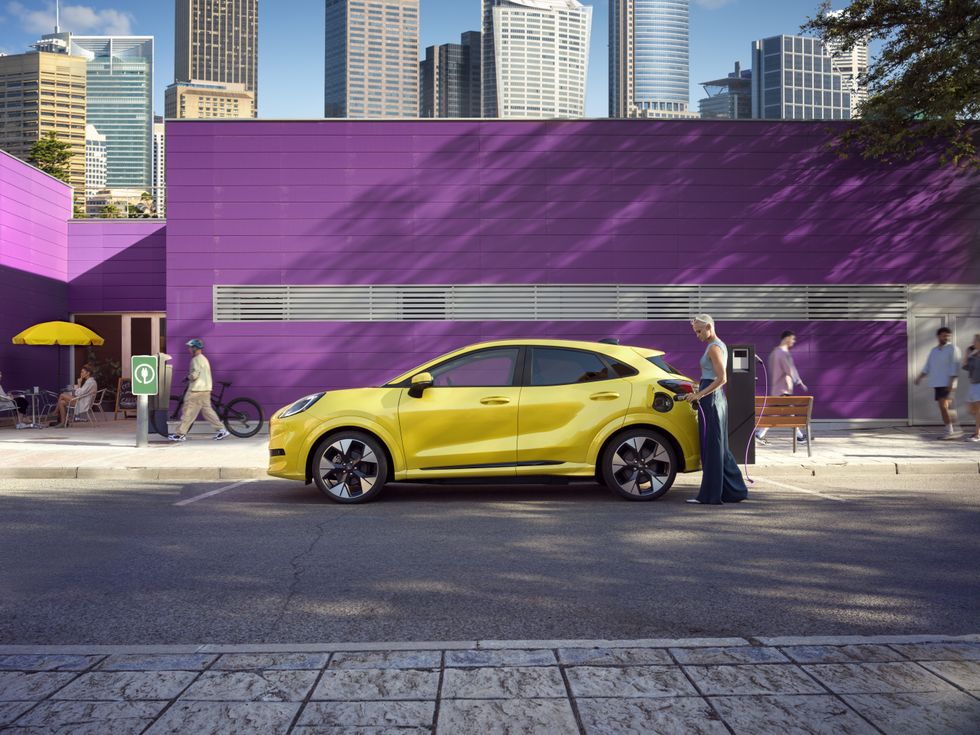 The Ford Puma Gen-E is one of eight models included in the £3,750 Electric Car Grant | FORD
Between September and December last year, 180,000 electric vehicles were sold, compared to just 160,000 EVs over the same period the year prior.
Manufacturers are also aiding the growth in electric vehicle sales with new releases, especially from recent entrants to the market, like BYD, Jaecoo and Omoda.
Chinese brands in particular have helped increase sales of electric and hybrid cars, thanks to affordable prices and impressive in-car technology.
A Government spokesperson said: "We're investing over £7.5billion to support drivers and manufacturers make the switch to zero emission. This includes £4billion investment to back British manufacturing and R&D, create jobs, and drive growth in the sector."