









New research has found that plug-in hybrids use more fuel when driving than officially stated by manufacturers.
Fresh data from the Fraunhofer Institute in Germany looked at plug-in hybrids manufactured between 2021 and 2023 and monitored the precise and real-world fuel consumption rates.
Some manufacturers claim that their plug-in hybrids use between one and two litres of fuel per 100 kilometres, much less than petrol or diesel vehicles.
However, new research has suggested that the vehicles actually require an average of six litres per 100km, making them need around 300 per cent more fuel than previously claimed.
The Fraunhofer Institute suggested that this was down to the car switching between its fuel-powered powertrain and the electric powertrain.
Manufacturers have previously claimed that the vehicle uses almost no fuel when in electric mode, although the new research also contradicts this.
Patrick Plötz, from the Fraunhofer Institute, explained that the combustion engine in a plug-in hybrid is activated more often than previously believed.
He told German broadcaster SWR that PHEVs manufactured in Germany were found to have the highest average fuel consumption.
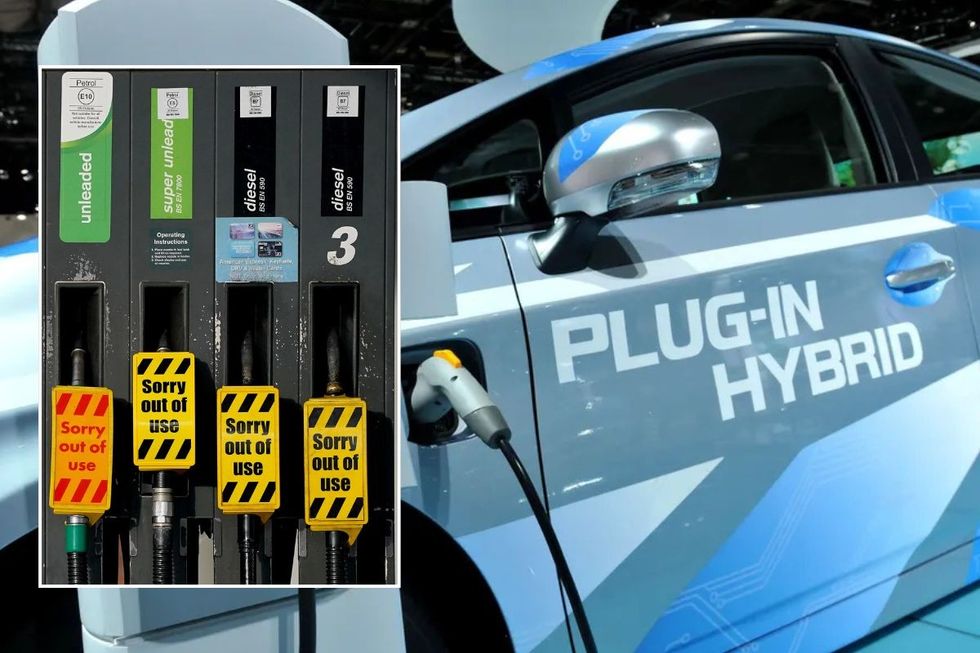
Plug-in hybrids were found to use more fuel than originally thought, according to new research
| GETTYHe added: "Then one could say a manufacturer who does not comply with the (emissions) limits on the road may have to pay a penalty."
The worst-performing hybrids used around seven litres per 100km more than other plug-in hybrids once the electric motor was engaged.
Cheaper plug-in hybrids were found to often use under one litre of fuel per 100km. This is also 85 per cent less than the worst-performing.
The manufacturer of the worst-performing hybrid said the differences were based on "usage patterns" which influenced fuel consumption rates.
LATEST DEVELOPMENTS
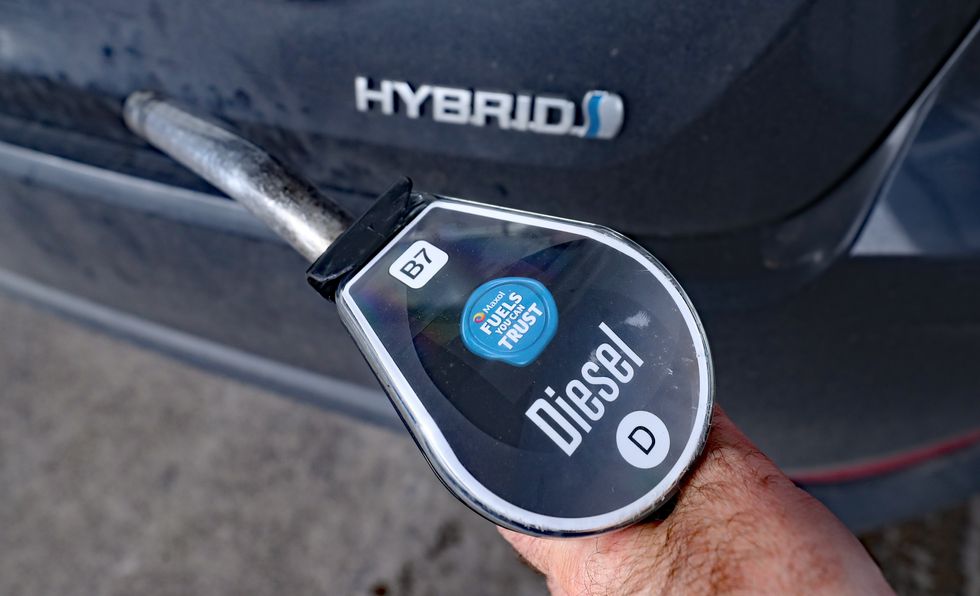
The worst-performing plug-in hybrid was found to use around seven litres of fuel per 100km
| PAIt added that the published fuel consumption rates were in line with "legally proscribed EU measurement procedures".
The manufacturer highlighted that other factors influence fuel consumption rates, including road conditions, driver behaviour and the weather.
Labour will continue to allow the sale of hybrids after 2030 until 2035, although new petrol and diesel car sales will be outlawed by the end of this decade.
The European Union changed its phase-out rules in December, allowing manufacturers to comply with a 90 per cent tailpipe emissions reduction target from 2035 onwards.
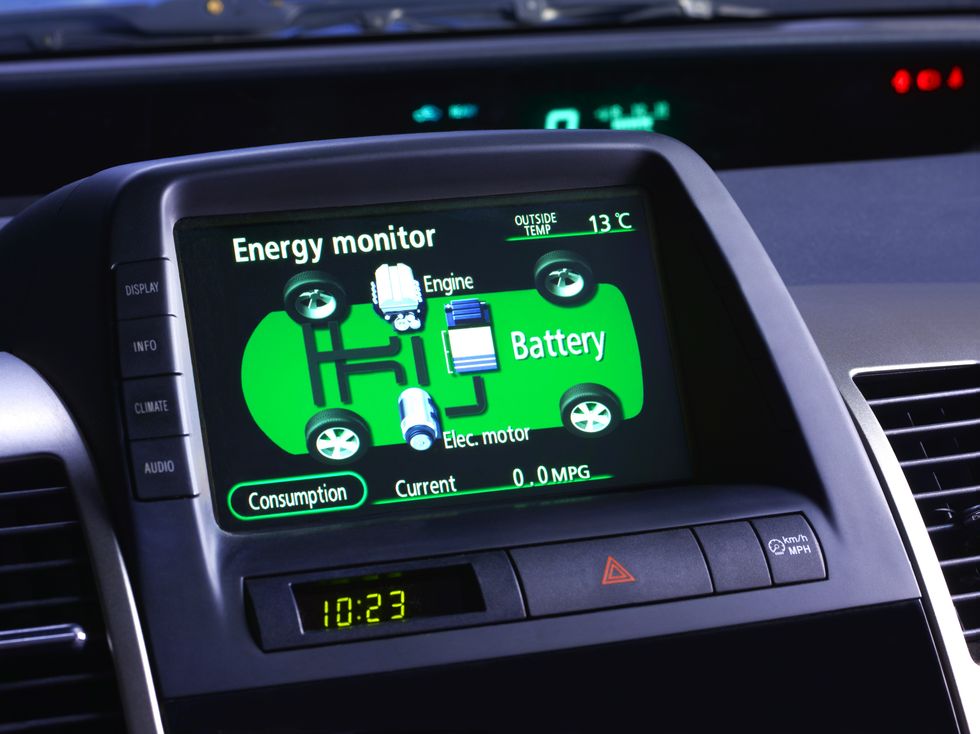 Plug-in hybrids were found to burn more fuel than expected when in electric mode | GETTY
The remaining 10 per cent of emissions will need to be compensated through the use of low-carbon steel made in the EU, or from e-fuels and biofuels.
The EU confirmed that this would allow for plug-in hybrids, range extenders, mild hybrids, and internal combustion engine vehicles to still play a role beyond 2035, alongside electric and hybrid models.
In the first month of the year, data from the Society of Motor Manufacturers and Traders revealed that 18,557 plug-in hybrid vehicles were registered, making up 12.9 per cent of the market share, and an impressive 47.3 per cent year-on-year.
More than 225,000 plug-in hybrids were registered in 2025, as more petrol and diesel drivers look for a go-between before making the transition to battery electric vehicles.