





A major authority has acknowledged that its new Quiet Lanes scheme, which will block through traffic on 10 rural roads using physical barriers, falls short of Department for Transport guidance.
The scheme, launched by Oxfordshire County Council, will see gates and bollards installed to prevent vehicles from using designated countryside routes as cut-throughs.
Research has highlighted how this approach contradicts DfT policy, which defines Quiet Lanes as routes suitable for shared use by pedestrians, cyclists, horse riders and motor vehicles together.
The council has defended its decision, describing the pilot as "an enhancement" of existing Government policy that moves beyond conventional signage-based measures to deliver improved safety outcomes.
David Henwood, who leads the Independent Oxford Alliance group on the council, has accused the authority of "weaponising" the Quiet Lanes designation against drivers.
The opposition councillor argued that the gap between Oxfordshire's approach and national guidance demonstrates that supporters of the scheme have fundamentally "misunderstood" what the measure was designed to achieve.
"Quiet Lanes were created to preserve quiet roads, not to create them," Mr Henwood told the BBC.
He warned that using the designation as a tool for wider restrictions on motorists threatens to undermine both the original purpose and spirit of the legislation.
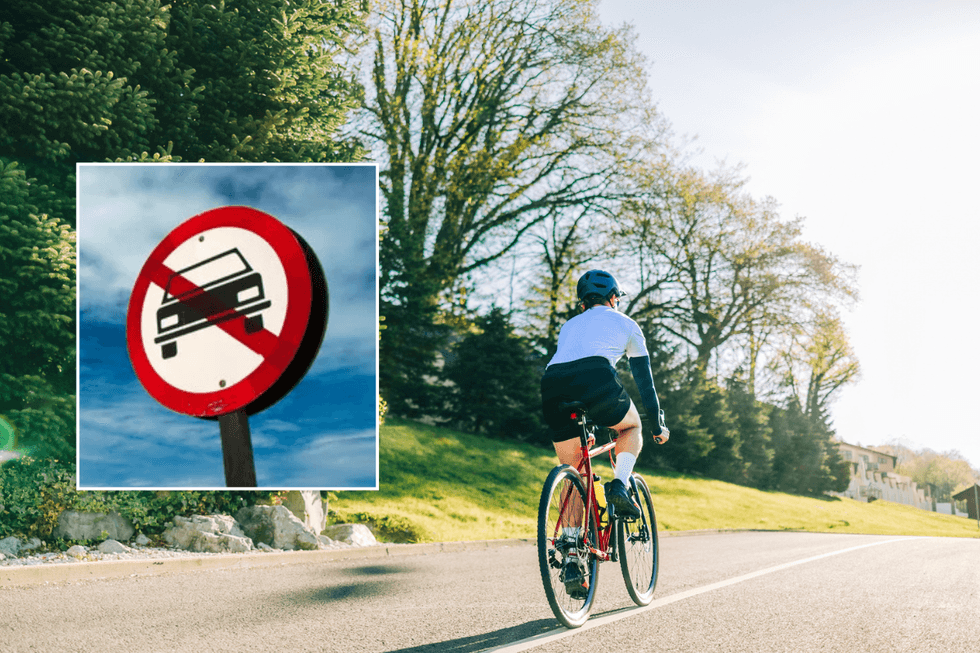
The council acknowledged the 'Quiet Lanes' approach contradicts DfT policy
|GETTY
Mr Henwood's criticism centres on his view that the council had repurposed a policy intended to protect already tranquil routes, rather than artificially manufacturing them through traffic bans.
Gareth Epps, the council's transport chief, rejected the criticism, insisting that protecting the character of the pilot lanes remains central to the programme.
He said: "Preserving the character of the pilot lanes is at the heart of this programme, ensuring that country lanes are not undermined by inappropriate traffic."
Mr Epps noted that restricting just 10 lanes across the entire county represented minimal disruption and that the vast majority of car users in Oxfordshire would notice no difference.
LATEST DEVELOPMENTS
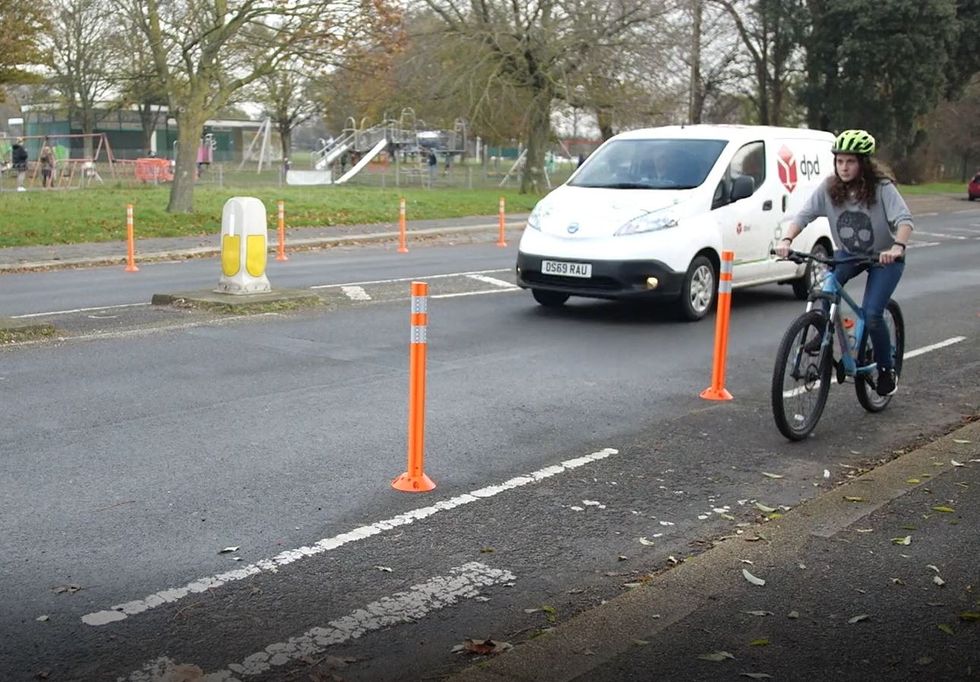
The new plans would impact 10 roads around Oxfordshire
| PAMeanwhile, Rebekah Fletcher, the cabinet member responsible for transport management, explained that the initiative aims to ensure local roads serve their communities rather than functioning as shortcuts for traffic they were never built to accommodate.
Ms Fletcher outlined that the new Quiet Lanes would prioritise physical interventions backed by reduced speed limits, typically set at 20mph.
Vehicles belonging to local residents, agricultural workers and businesses requiring access will remain exempt from the restrictions, with emergency services also permitted to use the routes.
The council has stipulated that schemes will only proceed where there is robust backing from the local community, including support from both parish and county councillors.
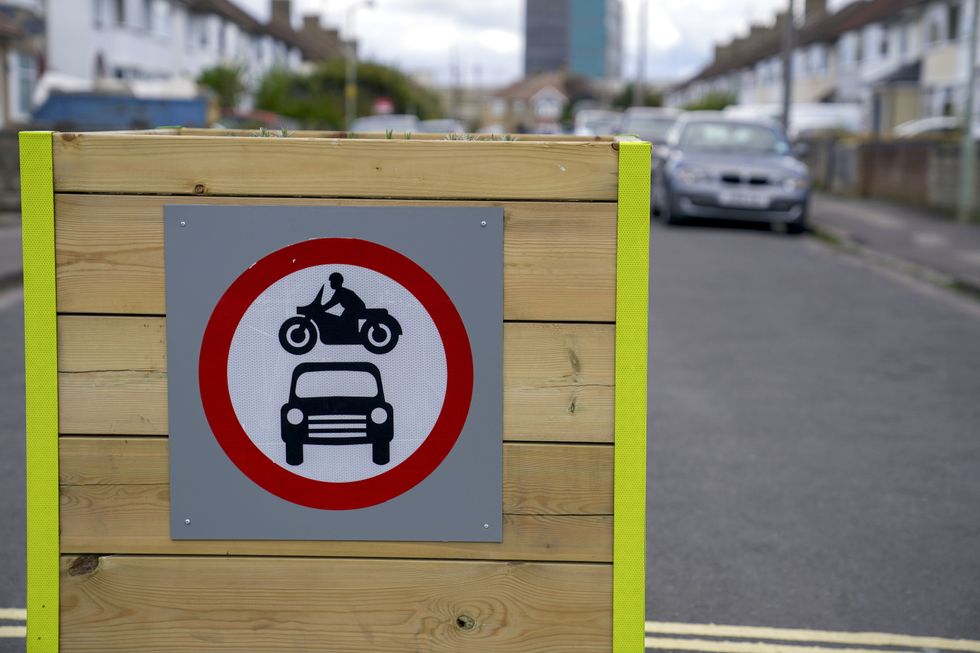 The new plans would promote more cycling and walking in the area | PA
A suitable alternative route for displaced motor traffic must also exist before any lane can be designated under the pilot, the council stated.
It pointed to evidence demonstrating that traditional signage-only Quiet Lanes fail to deliver meaningful reductions in either vehicle numbers or speeds, citing data from the Department for Transport itself.
A council report had previously concluded that sign-based approaches have "little to no influence on reducing either traffic volumes or vehicle speeds".
All pilot schemes will be implemented through Experimental Traffic Regulation Orders, allowing the council to test measures in real-world conditions and gather evidence before committing to permanent changes.
The statutory consultation process will enable designs to be refined based on practical experience, with the programme funded through the council's capital budget.