










Drivers in England and Wales have been caught committing a record 2.9 million motoring offences, according to new Home Office figures.
The figures recorded in 2024 were up nine per cent from the 2.7 million offences recorded in 2023 and are the highest level since comparable records began in 2011.
Speeding made up the vast majority of cases with around 2.5 million offences, 86 per cent of the total, due to drivers exceeding the limit, also a record high.
More than half of those caught were offered speed awareness courses instead of punishment. Meanwhile, 37 per cent received fines, and 12 per cent ended up in court.
TRENDING
Stories
Videos
Your Say
The figures do not include the Metropolitan Police, which keeps its data separately. In London alone, nearly 600,000 offences were recorded in 2024, a sharp 19 per cent rise compared with the year before.
Despite the growing use of speed awareness courses, there are concerns that they may not be changing behaviour in the long term.
Research by Churchill Motor Insurance found that 31 per cent of drivers who had taken one of the courses in the past three years were later caught speeding again.
The courses usually cost between £80 and £120 and allow motorists to avoid the standard £100 fine and three penalty points for speeding.

Drivers have been opting for more speed awareness courses to avoid paying the £100 penalties
| PADemand is still rising with more than 1.85 million drivers completing courses in 2025, up 12 per cent on the previous year. Court cases have also increased, with 215,601 speeding convictions recorded in the year to September 2025, breaking another record.
Speed continues to be the biggest factor in deadly crashes. The Department for Transport data shows 59 per cent of fatal collisions in 2024 involved speeding.
That is higher than other causes, such as driver behaviour or inexperience, which were linked to 52 per cent of fatal incidents, and distraction or impairment at 34 per cent.
Kevin Mead, head of Churchill Motor Insurance, said: "Speeding has a devastating impact on our roads, contributing to countless avoidable collisions, life-changing injuries and needless loss of life. With more than 8,000 speed cameras now operating nationwide, the chances of being caught are higher than ever."
LATEST DEVELOPMENTS
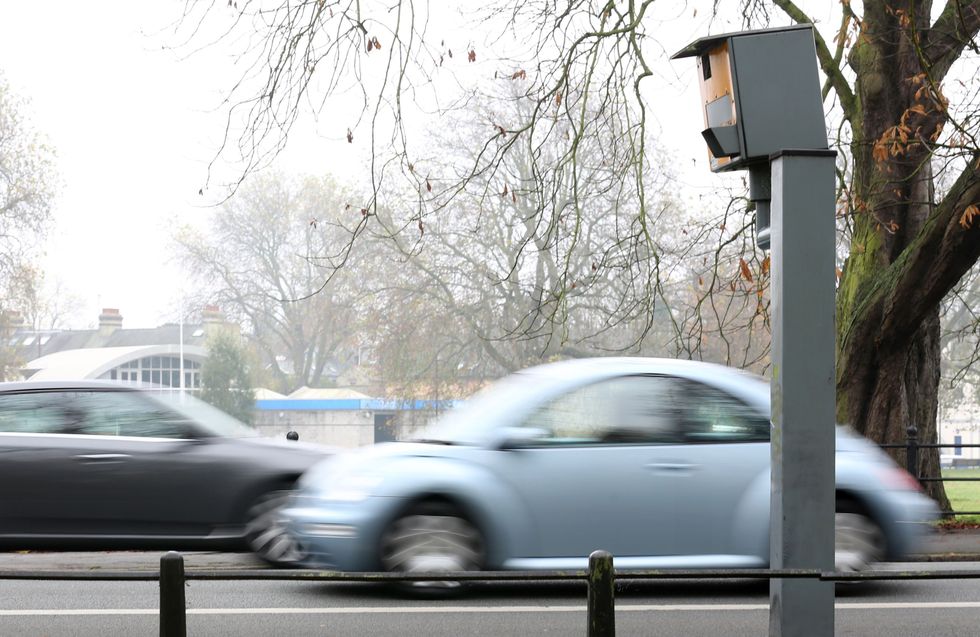
The report found 2.9 million motoring offences in 2024
| PABut road safety groups warned the figures showed many drivers are still ignoring the rules. William Porter, from IAM RoadSmart, said the data highlights a "widespread disregard" for speed limits.
He warned: "We need a renewed focus on enforcement, education and driver behaviour. Without decisive intervention, we risk normalising dangerous driving habits that have devastating consequences."
Rod Dennis, from the RAC, has now urged the Government to work more closely with police forces to tackle the issue.
He said: "While enforcement through speed cameras has its place, greater visibility of police officers can also make a significant difference in changing driver behaviour."
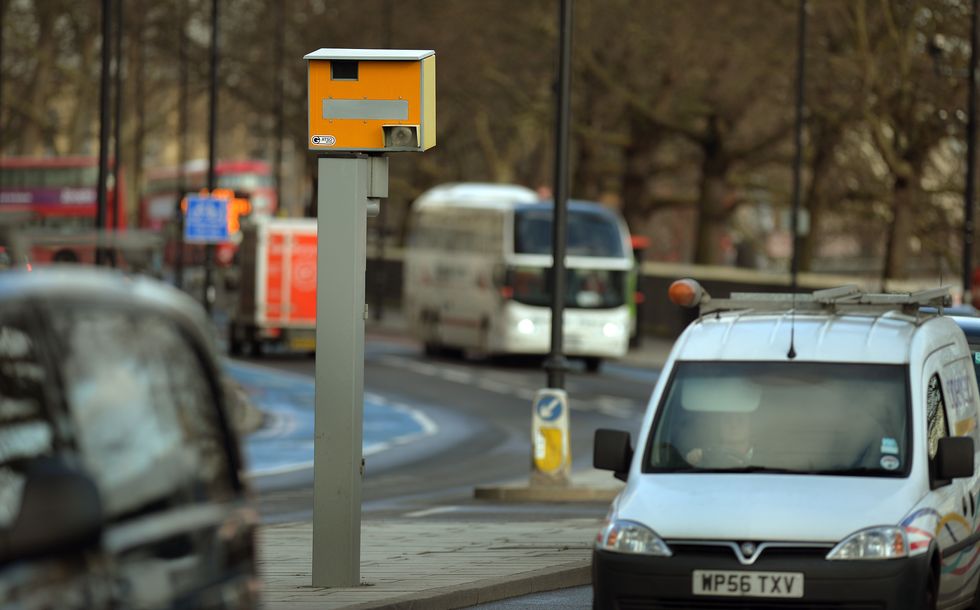
Transport for London has unveiled new speed cameras to help stop drivers breaking the law
| PAAuthorities are now looking at new technology to clamp down on speeding. Transport for London has announced plans to trial a new type of speed camera at up to 10 locations across the capital.
Unlike traditional cameras, the new radar-based systems do not need a flash and can monitor several lanes of traffic at once. The devices are also able to track vehicles travelling in both directions, making them more flexible than older systems.
Detective Chief Superintendent Donna Smith, of the Met's Roads and Transport Policing Command, said: "It is tragic whenever anyone is killed or seriously injured on our roads, and speeding remains a major factor, which is why our officers are totally committed to reducing that risk.
"This trial will improve reliability and deliver better quality images, helping our officers hold offenders to account and ensuring we have a modern and effective enforcement system that saves lives."