









Drivers are being warned of new car tax changes being introduced next month that could see motorists slapped with extra charges.
From April 1, 2026, several huge car tax changes will launch, many of which will result in drivers facing higher car tax costs.
Chancellor Rachel Reeves outlined in the recent Autumn Budget that the rate of Vehicle Excise Duty would increase in line with RPI inflation in the new financial year.
Just weeks before the new rules are being rolled out, the Government has published the full list of price rises for motorists to prepare.
TRENDING
Stories
Videos
Your Say
Millions of Britons continue to drive cars registered between March 1, 2001, and April 1, 2017, with many set to face an increase in costs.
Owners of the most polluting petrol and diesel vehicles, which produce more than 255g of CO2 per kilometre, will be slapped with the highest price increase.
Drivers who paid £760 for their VED last year will now pay £790, while owners of the least-polluting vehicles may not see a hike at all.
GB News has rounded up the new car tax rates for millions of drivers ahead of the changes on April 1, 2026.
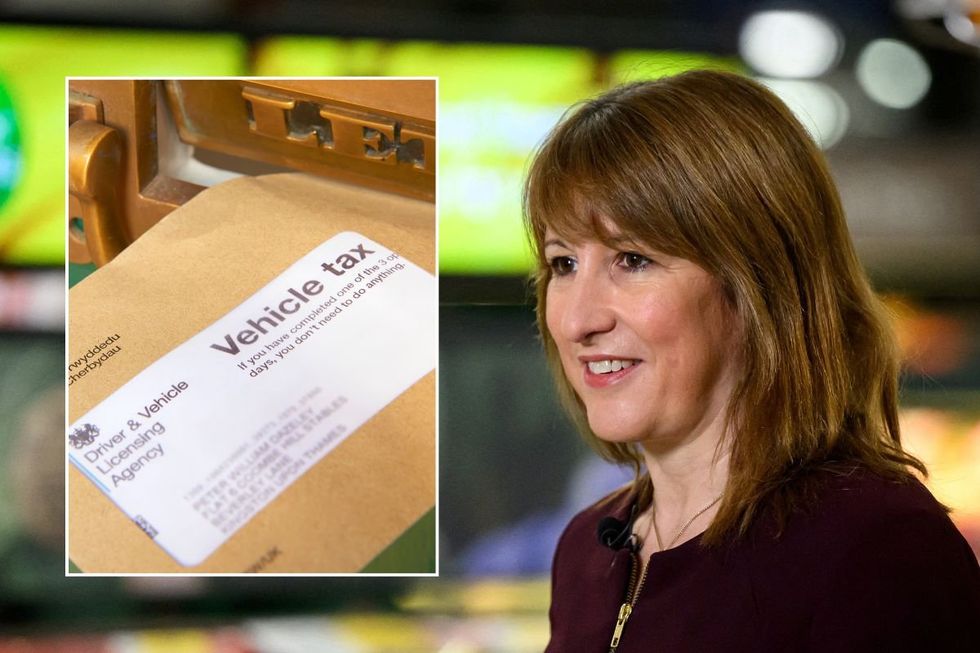
Chancellor Rachel Reeves has outlined new tax changes launching in April
|GETTY/PA
New 2026 car tax rates for vehicles registered between March 2001 and April 2017
Band A (Up to 100g/km) - Remains at £20
Band B (between 101 and 110g/km) - Remains at £20
Band C (between 111 and 120g/km) - Remains at £20
Band D (between 121 and 130g/km) - Rising from £165 to £170
Band E (between 131 and 140g/km) - Rising from £195 to £200
Band F (between 141 and 150g/km) - Rising from £215 to £225
LATEST DEVELOPMENTS
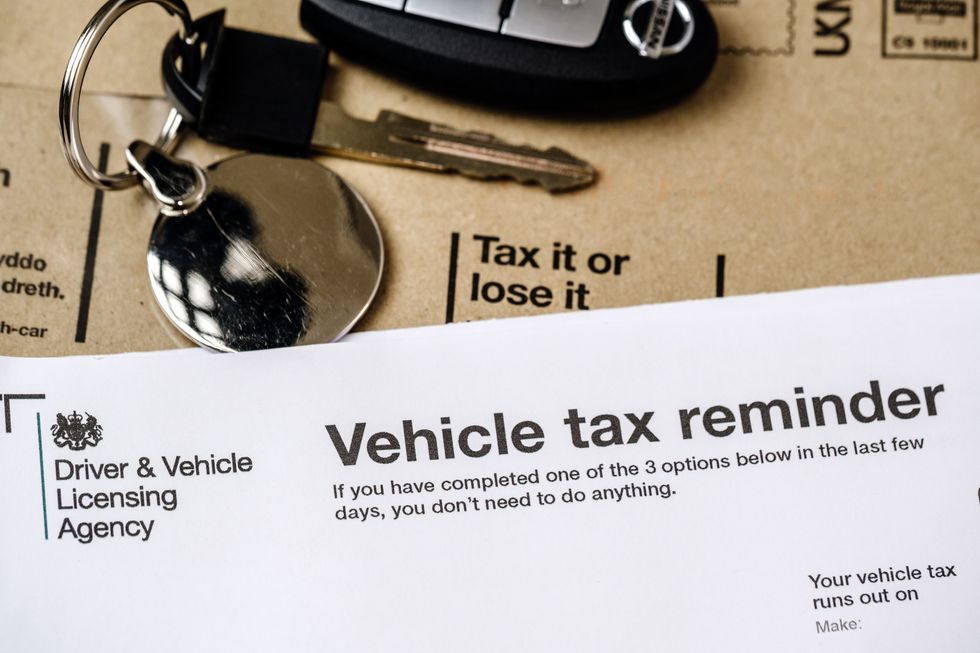
The Chancellor announced the new tax changes in the Autumn Budget
| BIGWANTSYOURCARBand G (between 151 and 165g/km) - Rising from £265 to £275
Band H (between 166 and 175g/km) - Rising from £315 to £325
Band I (between 176 and 185g/km) - Rising from £345 to £360
Band J (between 186 and 200g/km) - Rising from £395 to £410
Band K (between 201 and 225g/km) - Rising from £430 to £445
Band L (between 226 and 255g/km) - Rising from £735 to £760
Band M (Over 255g/km) - Rising from £760 to £790
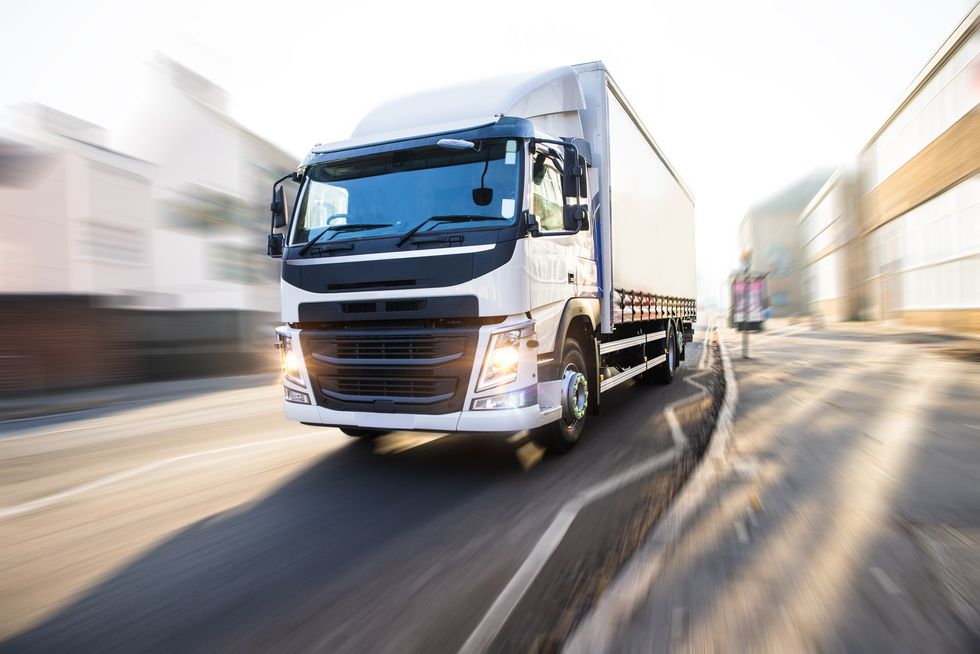
The HGV VED rate will be hiked in April in line with inflation
| GETTYChancellor Rachel Reeves outlined other VED changes in the Autumn Budget, including for heavy goods vehicle drivers.
From April, VED for HGV drivers will be uprated in line with inflation, while the heavy goods vehicle levy will also be hiked on April 1, 2026.
However, not all changes will be introduced this year, including a tax exemption for search and rescue vehicles from April 2027.
The most controversial measure was the confirmation of Electric Vehicle Excise Duty (eVED), which will see EV owners pay 3p per mile and 1.5p for hybrid drivers from 2028.