










Labour has been urged to introduce in-car alcohol interlock devices, known as "alcolocks", for repeat drink-driving offenders as part of tougher driving laws.
The devices prevent a vehicle from starting if alcohol is detected on the driver's breath and could be key in preventing unnecessary road fatalities.
The campaign is being led by the Lock Out Drink-Driving Campaign and supported by organisations including the RAC, Brake and RoSPA.
They have also urged ministers to act as part of wider plans to improve road safety and reduce dangerous driving.
TRENDING
Stories
Videos
Your Say
Simon Williams, head of policy at the RAC, explained how alcolocks represent one of the most effective tools available to the Government, which is readily available and "can have an immediate impact on high-risk and repeat offenders".
He added: "We have seen the evidence from programmes around the world, and we know the public support is there; all that is left is for the Government to act now."
Supporters stated how similar schemes already operate in countries including the US, Canada, New Zealand and across much of Europe.
Research showed how the technology can reduce reoffending by up to 70 per cent with RAC polling, also suggesting that around 82 per cent of UK drivers support the introduction of alcolocks.
The calls come as the Government develops a wider Road Safety Strategy that includes a major package of enforcement reforms aimed at reducing deaths and serious injuries on the roads.
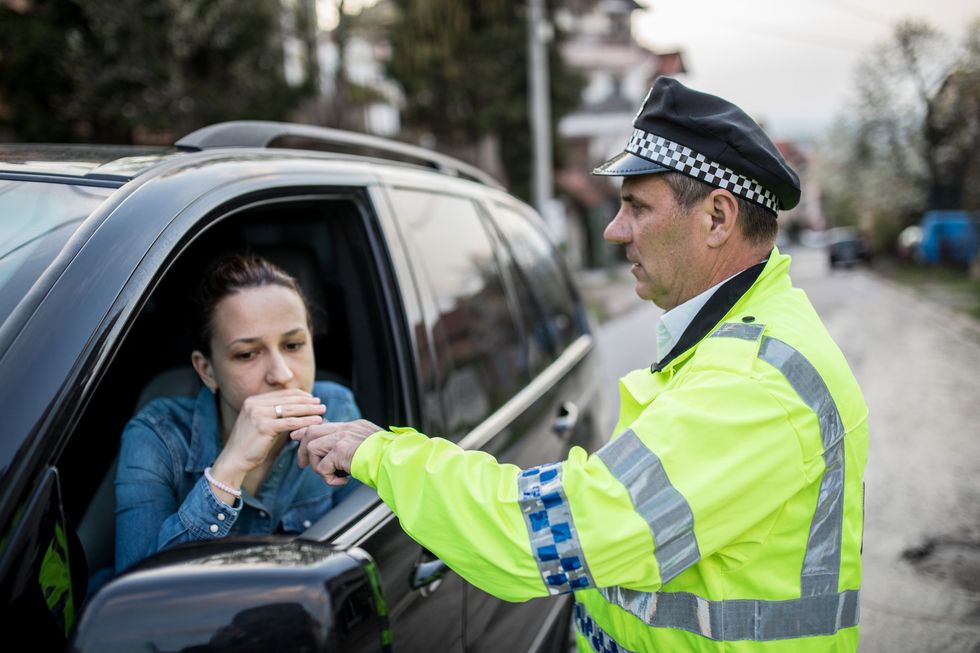
The new laws would introduce tougher sentencing for drivers caught drink driving in vehicles
| GETTYMinisters have set out plans for robust enforcement to protect all road users.
This includes consulting on tougher action for drink driving by lowering the legal drink-drive limit in England and Wales, including an even lower limit for novice drivers.
The Government explained how the current limit is the highest in Europe and has not changed since it was introduced in 1969.
It also highlighted that in 2023, around one-in-six road deaths were linked to drink-drive collisions.
Officials are also reviewing penalties and mandatory training for drink and drug driving offences, including consulting on the use of alcohol interlock devices.
The Government warned that driving under the influence of drink or drugs remains unacceptable and puts other road users at risk, with new rules hoping to ensure offenders are dealt with appropriately.
LATEST DEVELOPMENTS
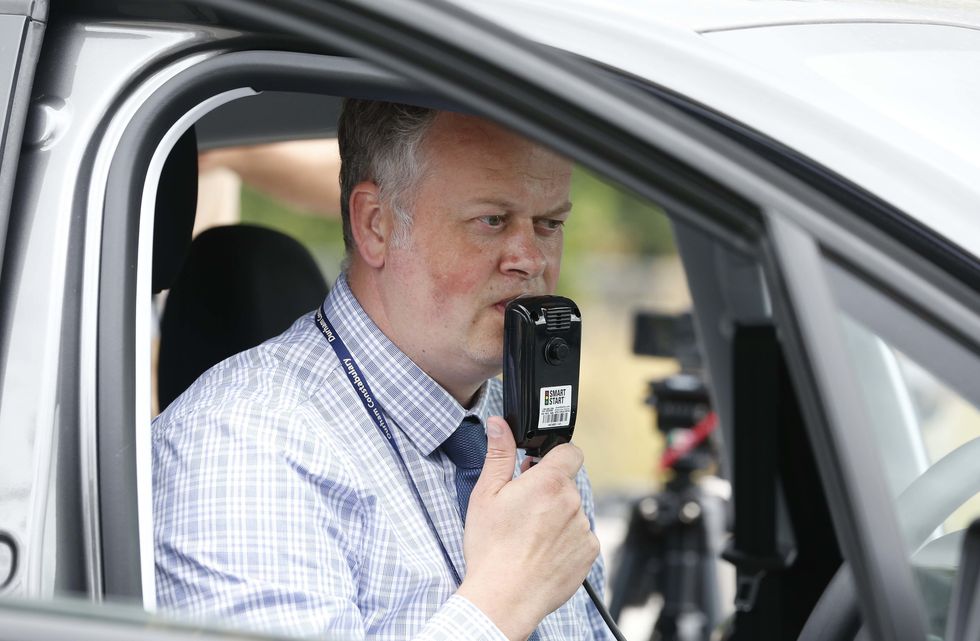 The new Road Safety Strategy hoped to discourage drink and drug driving offences | PA
As part of the plans, ministers are now considering bringing in new powers to suspend driving licences for suspected offenders.
This would apply to people suspected of drink or drug driving until they attend court or enter a guilty plea, or while they are on bail awaiting forensic analysis.
It would also apply to drivers under investigation for the most serious offences involving death or serious injury.
The Government said the changes would be necessary because current rules can allow suspected offenders to continue driving for long periods before conviction, which it considers unacceptable in serious cases.
The strategy also includes exploring alternative methods for drug-driving evidence collection and processing.
Officials said current methods are slow and need review.
They add that new approaches could speed up results and allow a more flexible system that adapts to future testing technologies.
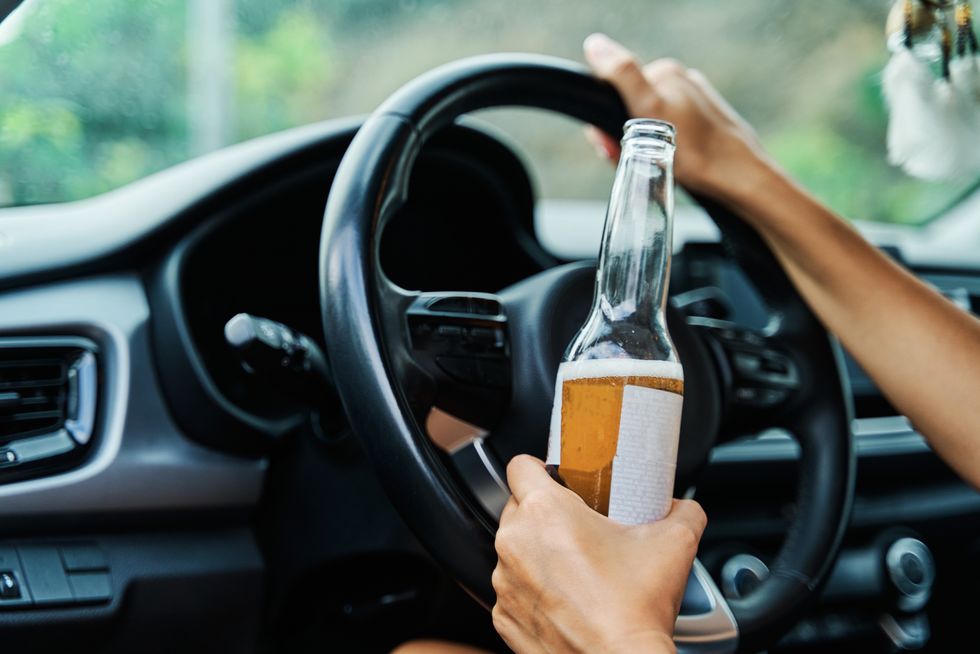 Drink-driving cases have soared across the UK, prompting Labour to include tougher rules in the Road Strategy | GETTY
A spokesperson for the Lock Out Drink-Driving Campaign said: "This letter represents cross-sector support for the Government to commit to the introduction of a court-ordered alcolock programme for repeat drink-drivers.
"The system we see today is simply not an effective deterrent.
"The current penalties are not working, and offenders are repeatedly putting not only their lives but also others at risk."
Government figures show that in 2023, around 260 people were killed in crashes involving a driver over the alcohol limit, while more than 1,500 were seriously injured.
Meanwhile, RAC analysis also revealed that over 27,000 people were convicted of drink-driving more than once in 11 years, highlighting concerns about repeat offending.
The Government's consultation on road safety reforms, including alcohol interlocks and other enforcement measures, remains open until May 11.