








Labour has reaffirmed its full support for the Zero Emission Vehicle mandate, despite growing criticism from car manufacturers and MPs who warn it could hurt drivers and the motor industry.
Speaking in the House of Commons, Transport Secretary Heidi Alexander said the UK is now the European leader in electric vehicle uptake among major economies.
She told MPs that the UK recorded the highest EV market share in 2025 and said this was the result of "clear and consistent policy direction".
The Government has also invested £7.5billion to support the switch from petrol and diesel cars to electric vehicles by 2035 and help manufacturers adapt.
TRENDING
Stories
Videos
Your Say
Under current policy, the sale of new purely petrol and diesel cars will end in 2030, while only zero emission vehicles will be sold from 2035.
Although the Government confirmed that the ZEV mandate will be reviewed over the coming year, ministers insisted they remain committed to its overall goals.
Conservative Shadow Transport Minister Greg Smith strongly criticised the policy in the Commons.
He quoted Hyundai's European president, Xavier Martinet, who said the mandate "no longer makes sense and needs to be rethought," warning that it could push manufacturers into making losses and even force some to stop selling cars in the UK.
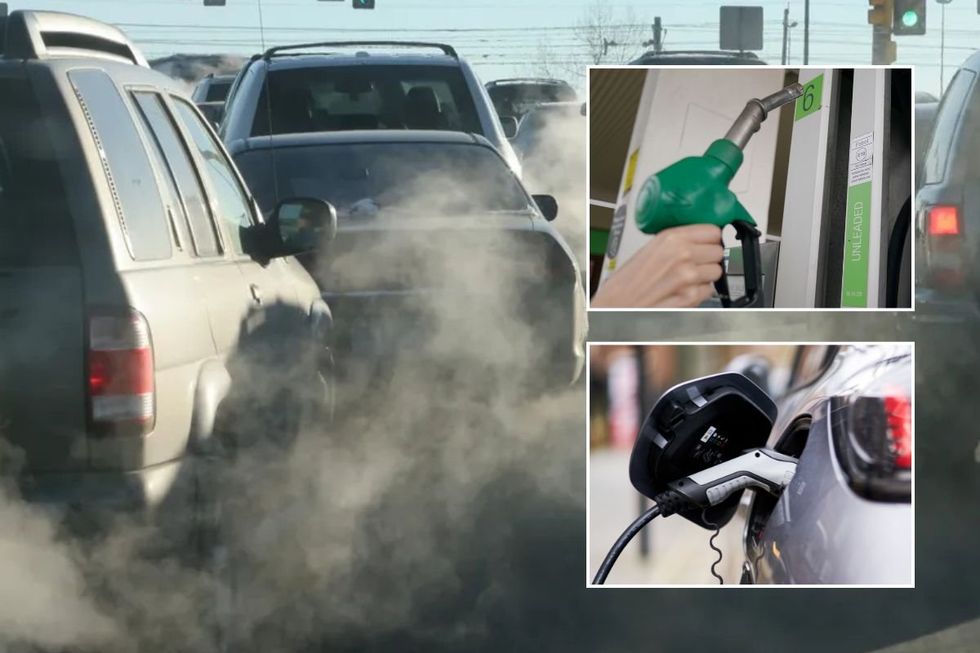
Mps warned the current ZEV mandate is no longer fit for purpose, with the Government urged to amend it
| GETTY/PAMr Smith also pointed to Stellantis, which recently announced €22.2billion (£19.3billion) in charges while scaling back electric vehicle production.
He quoted the company's chief executive, who described the decision as "an important strategic reset of our business model to put our customer preferences back at the centre of what we do".
Mr Smith urged ministers to "listen to consumers, set the car market free, and adopt the Conservative plan to scrap the ZEV mandate".
The Transport Secretary rejected claims that drivers are not interested in electric cars, noting that nine in 10 drivers who switch to electric would recommend it to others.
LATEST DEVELOPMENTS
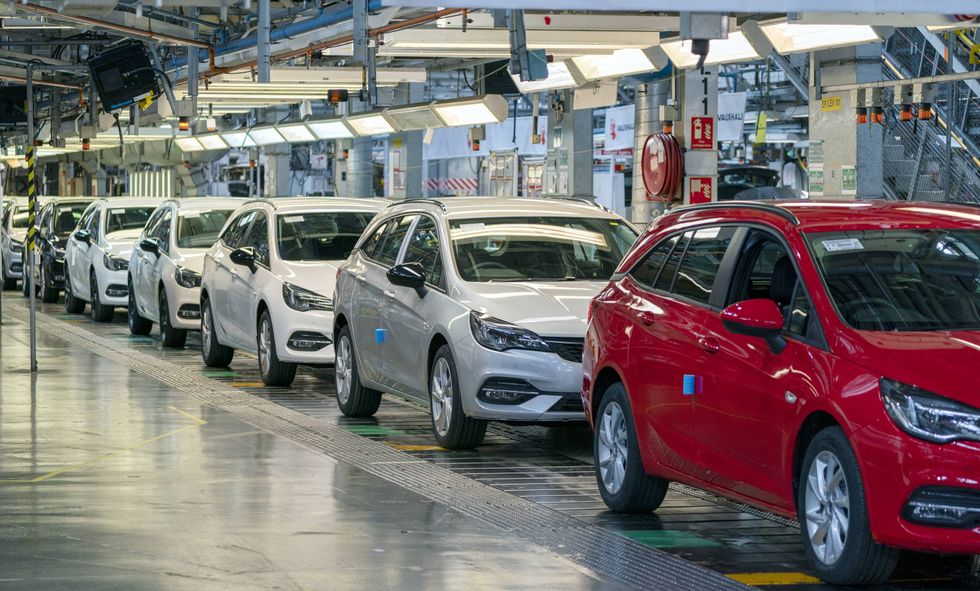 The ZEV mandate requires all new petrol and diesel car sales to be electric by 2030 | PA
Earlier this week, ministers faced further questions about the ZEV mandate, with Labour peer Baroness Blake of Leeds describing the ZEV mandate as the Government's most important policy for cutting carbon emissions.
Liberal Democrat Baroness Pidgeon called for the planned 2027 review of the mandate to be cancelled, arguing that companies investing heavily in electric vehicle production need certainty now.
However, some Conservative peers raised concerns about how the policy will affect rural communities.
Baroness McIntosh of Pickering questioned plans for potential pay-per-mile road charging and warned it could discourage EV uptake outside cities.
Lord Evans of Rainow warned that poor 5G connectivity in rural areas can prevent charge points from communicating properly with smart meters and apps.
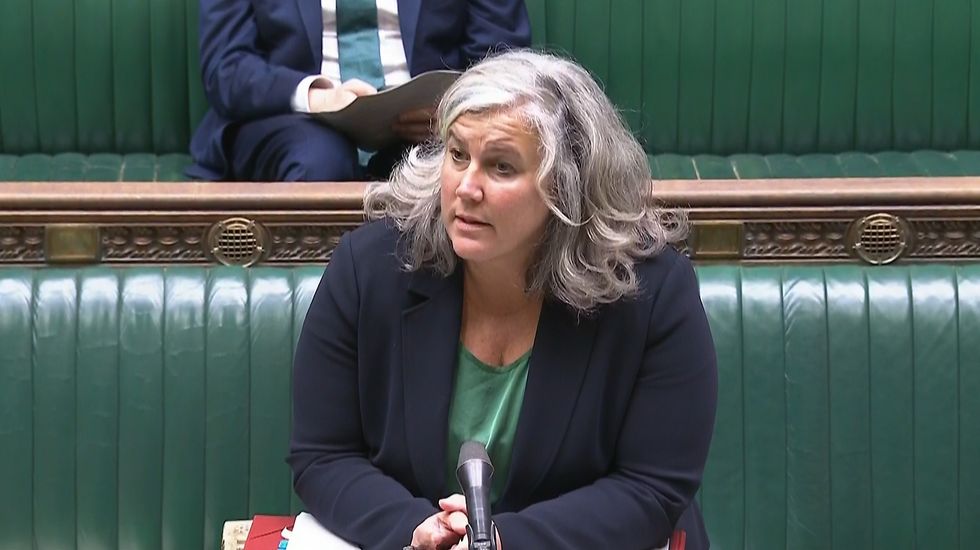
Transport Secretary Heidi Alexander reaffirmed the Government's commitment to the ZEV mandate
| PALord Evans of Rainow warned that poor 5G connectivity in rural areas can prevent charge points from communicating properly with smart meters and apps.
To ease pressure on the industry, the Government introduced more flexibility for the ZEV mandate, including an extension on borrowing mechanisms, hybrid car sales until 2035 and reduced fines for manufacturers.
In her written response to the consultation, Ms Alexander said the previous Government's decision to delay the 2030 phase-out had caused "untold harm" by creating uncertainty at a crucial time.
However, Conservative MPs continue to call for the mandate to be scrapped, including Sir Desmond Swayne, who cited the Gigafactory Commission's warning that current policy is "disincentivising investment" in UK motor manufacturing.