









Motorists could see tougher driving laws and updates to the Highway Code introduced to tackle a growing road problem under new proposals.
Northern Ireland's Infrastructure Minister Liz Kimmins has unveiled a public consultation examining whether motorists should be banned from overtaking stationary buses when passengers are getting on or off.
The Safer Journeys to School initiative, launched this week, comes in response to fatal accidents involving young people at bus stops in recent years.
"Sadly, in recent years, tragic incidents involving children at bus stops have highlighted the risks that can arise when passengers are getting on or off buses," Minister Kimmins stated.
TRENDING
Stories
Videos
Your Say
The consultation document outlined proposals for clearer regulations governing driver conduct around buses, particularly during moments when children may need to cross the road.
The Department for Infrastructure has structured its approach around two distinct pillars. The first element would introduce a legal prohibition on overtaking buses that have stopped to let passengers board or alight, specifically in circumstances deemed hazardous.
The second pillar presents several options for managing risks posed by vehicles travelling in the opposite direction when a bus is picking up or dropping off passengers.
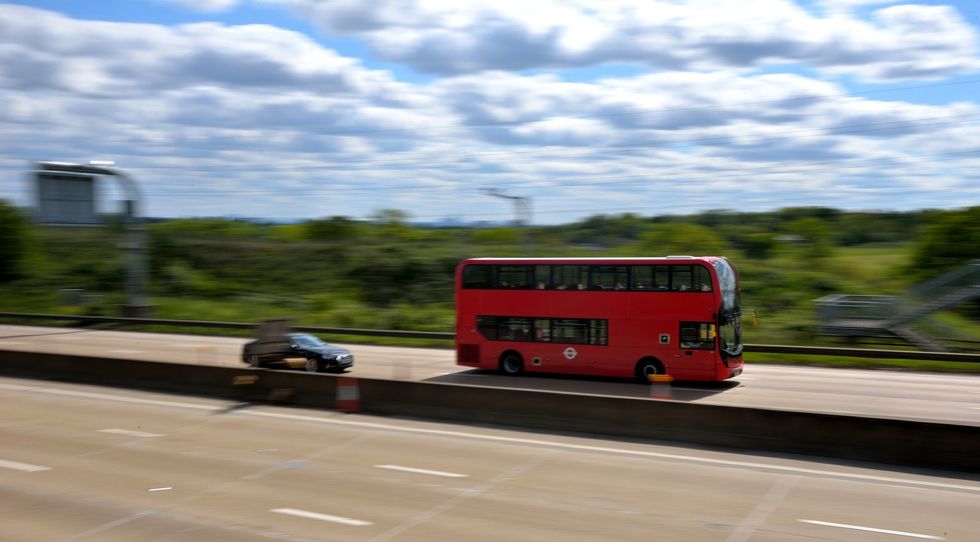
The new proposals would ban drivers from being able to overtake buses
|GETTY
These include time-limited speed restrictions on specific roads during school travel periods, potential bans on passing stationary buses altogether, and requirements for vehicles to proceed only at very low speeds.
Research and international studies indicated that the area immediately surrounding a bus during boarding and alighting constitutes a "danger zone" for young passengers.
The need for change follows reports which found that children may suddenly appear from in front of or behind the vehicle, while their visibility to approaching motorists can be severely restricted.
When youngsters exit a bus, stepping out in front of it places them at serious risk of being struck by a car overtaking the vehicle. Emerging from behind the bus proves equally perilous, as they may encounter oncoming traffic.
LATEST DEVELOPMENTS
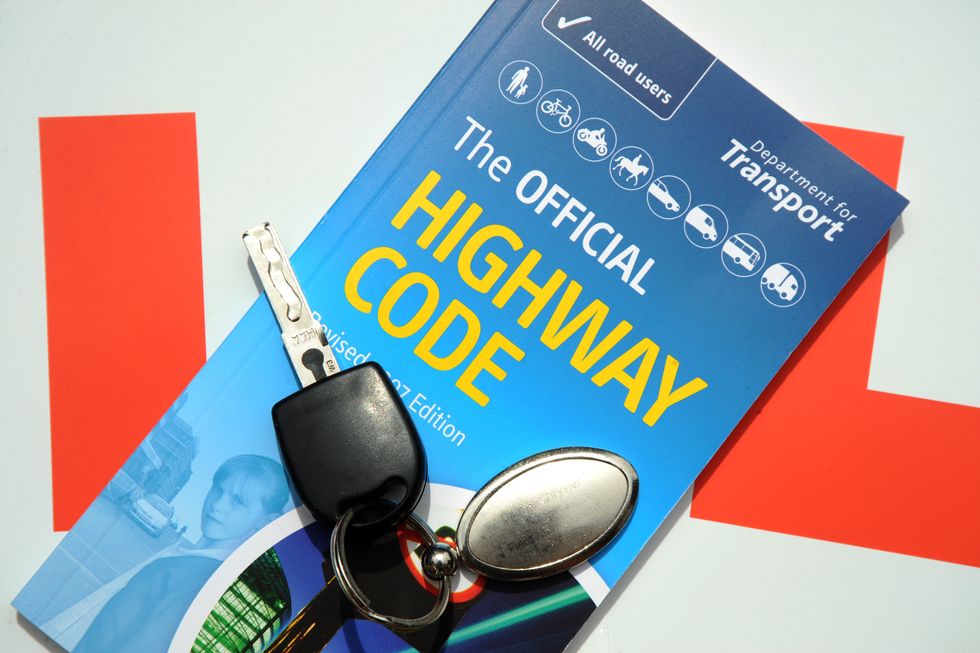
The Department for Infrastructure stated the Highway Code would be updated if new legislation were introduced
| PAThese dangers are particularly acute in rural settings, where buses frequently stop on the main carriageway and where footpaths, crossing facilities and sightlines may be limited.
The Department acknowledged that existing dangerous and careless driving offences carry high evidential thresholds and are typically applied only in the most serious cases.
Rule 163 of the Highway Code states: "Overtake only when it is safe and legal to do so. You should not get too close to the vehicle you intend to overtake.
"Do not assume that you can simply follow a vehicle ahead which is overtaking; there may only be enough room for one vehicle."
The proposed regulations would also cover all buses rather than being restricted to dedicated school transport services.
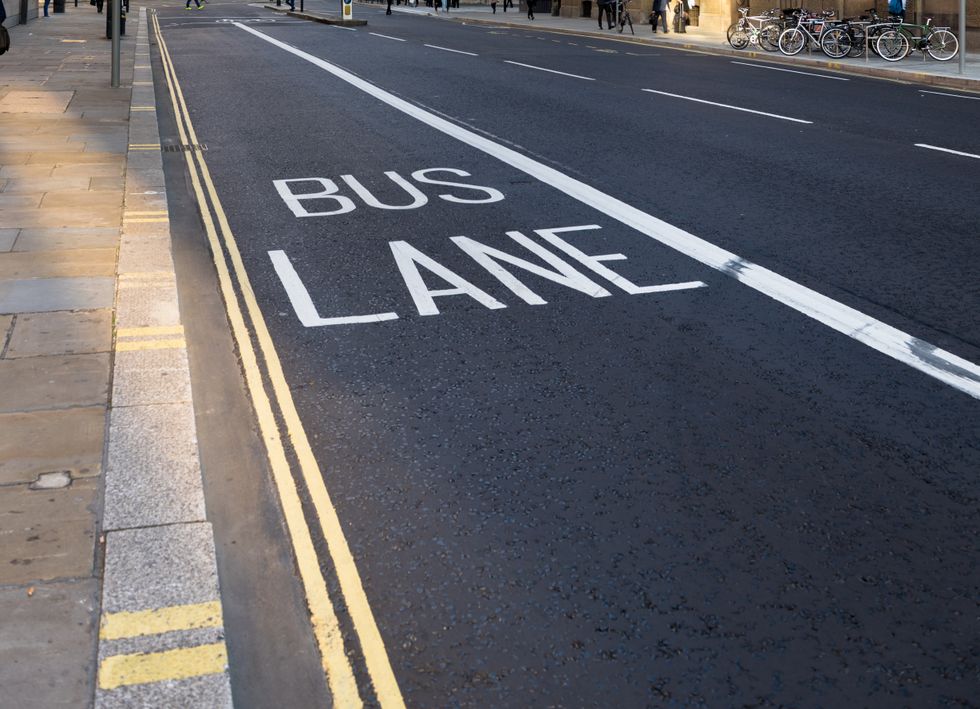
Under rule 163, it prohibits drivers from overtaking buses
| GETTYThe consultation remains open until May 21, giving the public eight weeks to submit their views on the proposed changes.
Should the legislative amendments proceed, the Northern Ireland Highway Code would be updated to reflect new requirements for driver behaviour around buses.
Minister Kimmins confirmed that additional measures would accompany any rule changes, adding: "I will also bring forward a comprehensive package of measures focusing on education, engineering and enforcement to ensure children are safe travelling to and from school."
The Department will also work with partners, including the Education Authority, Translink, the Police Service of Northern Ireland and emergency services, to develop the programme.