





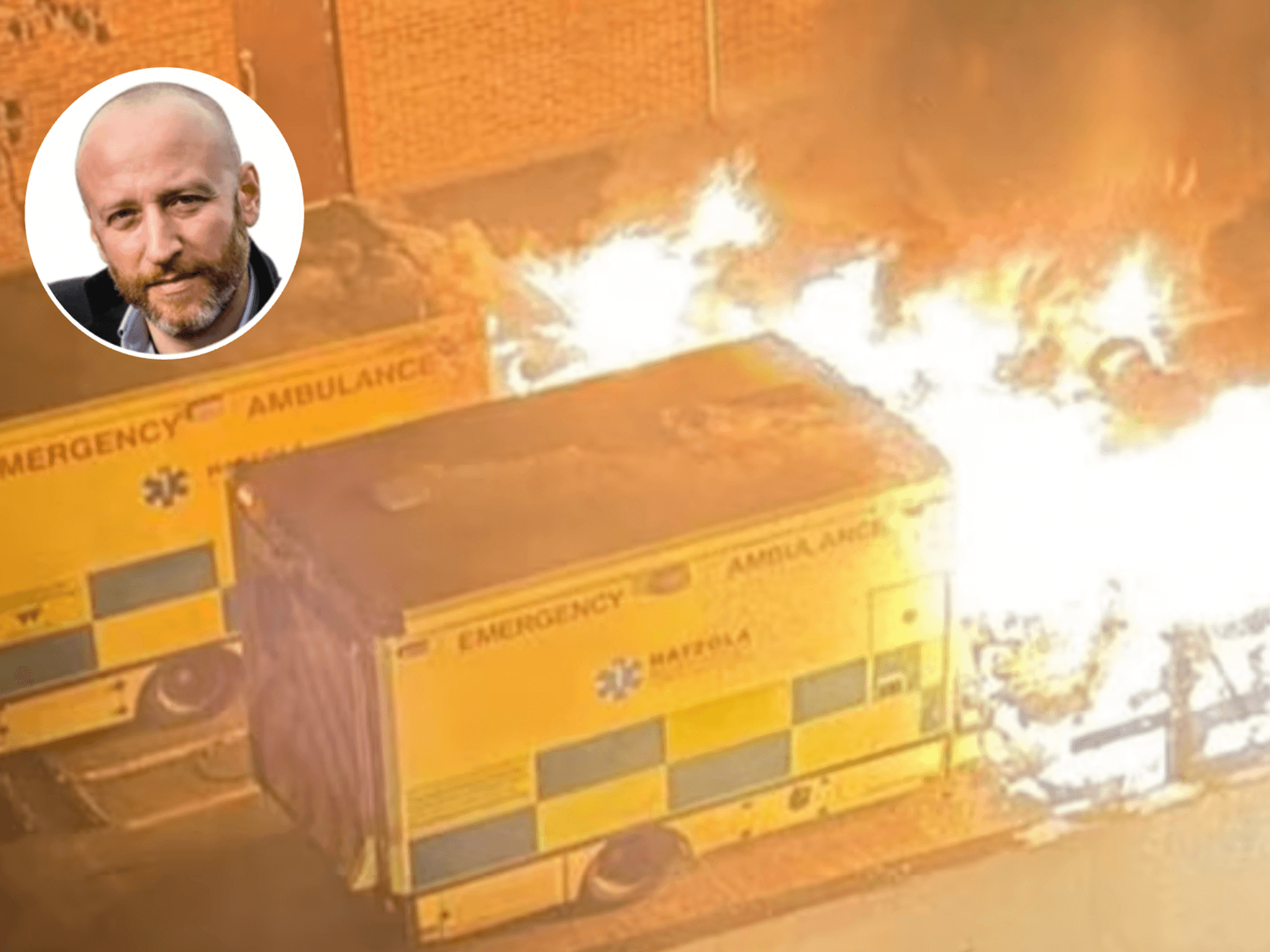




A looming fuel duty hike could hammer households with billions in extra costs and drive inflation higher, industry leaders have warned, as pressure mounts on tLabour to rethink its approach to road taxation and transport funding.
Speaking to GB News, David Boot, director of public affairs and policy of the Road Haulage Association (RHA) sounded the alarm over rising fuel prices, describing them as a direct threat not just to haulage firms, but to the wider UK economy.
"98 per cent of food is delivered on the back of trucks," he said. "This isn't a niche issue. When fuel prices rise, it hits businesses immediately, and for many, those costs are passed on. That has a real impact on inflation."
The warning comes as the Government prepares to end the current fuel duty freeze, with an increase expected later this year.
TRENDING
Stories
Videos
Your Say
According to RHA modelling, a 5p rise could cost UK households as much as £7billion by the end of the decade. For firms operating on tight margins, particularly small and medium-sized enterprises, which make up around 85 per cent of the sector, the stakes are even higher.
Those locked into fixed contracts face absorbing rising fuel costs themselves, while others are forced to pass them on, fuelling a wider cost-of-living squeeze.
Mr Boot urged ministers to engage directly with industry leaders, calling for an immediate cut in fuel duty and the scrapping of the planned September rise.
"We need the Treasury to sit down with us," he said. "Without intervention, businesses will struggle to do what they're obliged to do day-to-day."
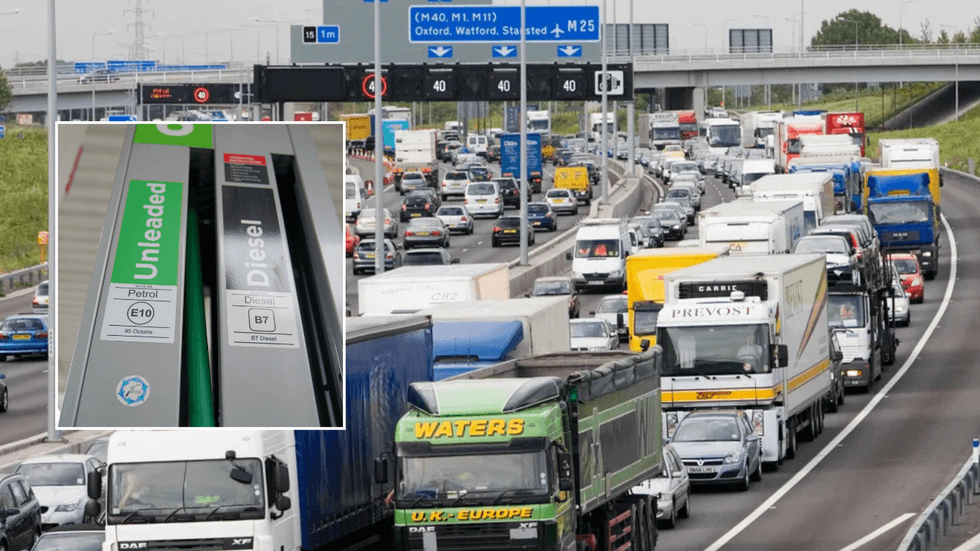
Experts warned the 5p rise could cost UK households as much as £7billion by the end of the decade
|GETTY
The current crisis bears similarities to the fuel shock triggered by the Ukraine war in 2022, when the Government stepped in with emergency measures. But Mr Boot suggested the stakes may now be even higher without decisive action. "We know Governments can act, we saw that before," he said. "But what we also need is a longer-term solution."
One proposal gaining traction is the introduction of an "essential fuel user rebate" a mechanism that would provide targeted relief for critical sectors like haulage.
Such a scheme, Mr Boot argued, would help stabilise costs during periodic price spikes while safeguarding supply chains. At the same time, ministers face mounting pressure to accelerate the shift to greener transport. Yet the RHA warns that electrification of Heavy Goods Vehicles remains a distant goal.
Out of an estimated 500,000 HGVs on UK roads, only around 1,000 are currently electric. A lack of infrastructure is a major barrier, with just three fast public charging points available nationwide for HGVs.
"There simply aren't enough charging points," Mr Boot said. "And electric trucks are significantly more expensive than diesel."
LATEST DEVELOPMENTS
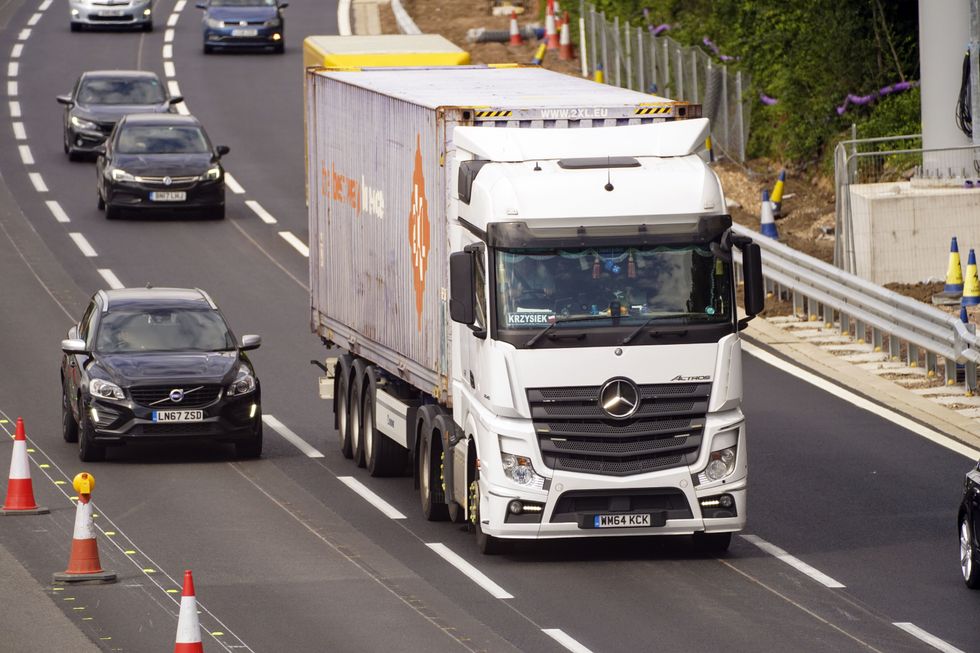
Experts have warned hikes to fuel duty could impact HGVs and prices
| PAHe also highlighted practical limitations, including reduced payload capacity due to heavy batteries and the unsuitability of electric vehicles for long-haul or heavy-duty routes. While grants and financial support could help, Mr Boot stressed that electrification must be approached realistically.
"It's not a silver bullet. We need to focus on the low-hanging fruit, shorter journeys and lighter loads, while working with Government on the bigger challenges."
The controversy over fuel duty has been compounded by wider concerns about road taxation. Recent changes introduced at the Autumn Budget have raised fears of a fragmented approach to funding Britain's road network.
Mr Boot called for a "bigger conversation" on road pricing, warning that poorly designed policies risk layering additional costs onto the haulage sector, costs that inevitably reach consumers. "If we get this wrong, we increase inflation. It's as simple as that," he said.
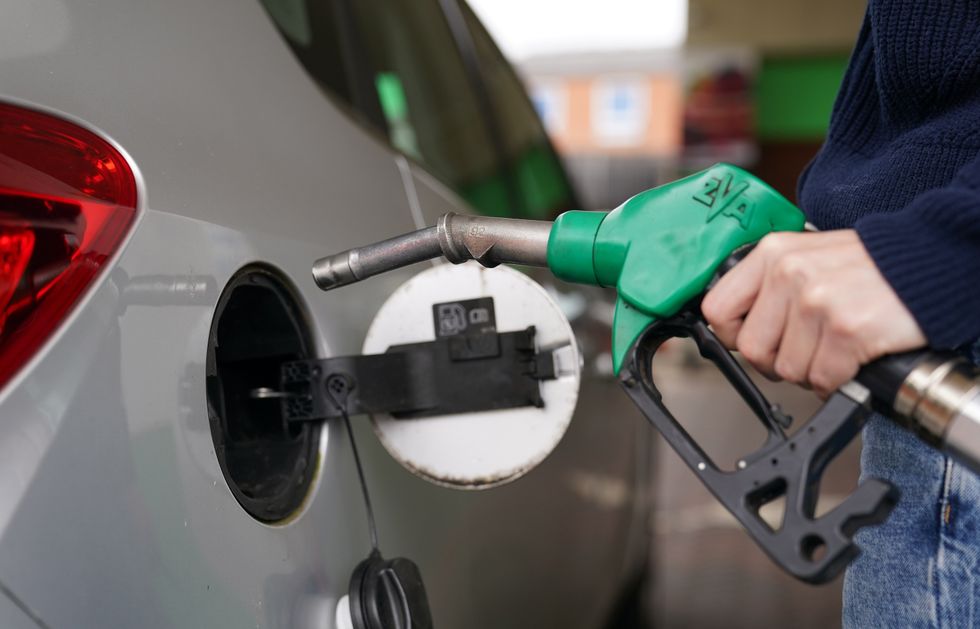 The 5p fuel duty cut was introduced in the aftermath of Russia's invasion of Ukraine in 2022 | PA
He also stressed the need for long-term planning, with a clear strategy spanning decades rather than short-term fixes. Beyond taxation, the RHA is backing major infrastructure projects such as the Lower Thames Crossing, arguing that improved roads are essential for economic growth.
Congestion and delays already cost the UK economy billions each year, with haulage firms bearing much of the burden. "Investment in roads isn't just good for our sector, it's good for the entire economy," Mr Boot said.
With Labour now in power, comparisons are already being drawn with the Conservative response to the 2022 fuel crisis. But the RHA said it is keen to remain politically neutral, focusing instead on outcomes.
"We work with all parties," Mr Boot said. "What's positive is that politicians are now talking about fuel duty. But we need action, not just words."