








Fresh data from Ford has shown that many drivers struggle to deal with bright headlights and have been forced off the road in recent years.
Of more than 2,500 drivers surveyed by the Blue Oval, almost half of motorists admitted that they have declined an evening social event because they do not want to drive at night.
A further 62 per cent said better lighting technology on their own vehicle and others would have "the greatest positive impact on their confidence and safety when driving in the dark".
It comes as drivers become more vocal about changes that need to be made to improve conditions on the road.
TRENDING
Stories
Videos
Your Say
Motorists have spoken out against the widespread use of bright LED headlights, which appear to be brighter and give off a whiter hue.
In comparison, older vehicles more commonly give off a more yellow beam when utilising halogen bulbs.
Stefan Tinnemann, senior communications manager at Ford Model e, Europe, said: "At Ford, we offer lighting technologies that not only improve visibility and confidence for drivers, but also minimise dazzle, so you can benefit as well as other road users.
"Available on Puma, Puma Gen-E, Kuga, Explorer and Capri, Matrix LED technology is highly sophisticated but simple to use, and gives you the confidence to venture outside knowing that your Ford will help to show you the way ahead."
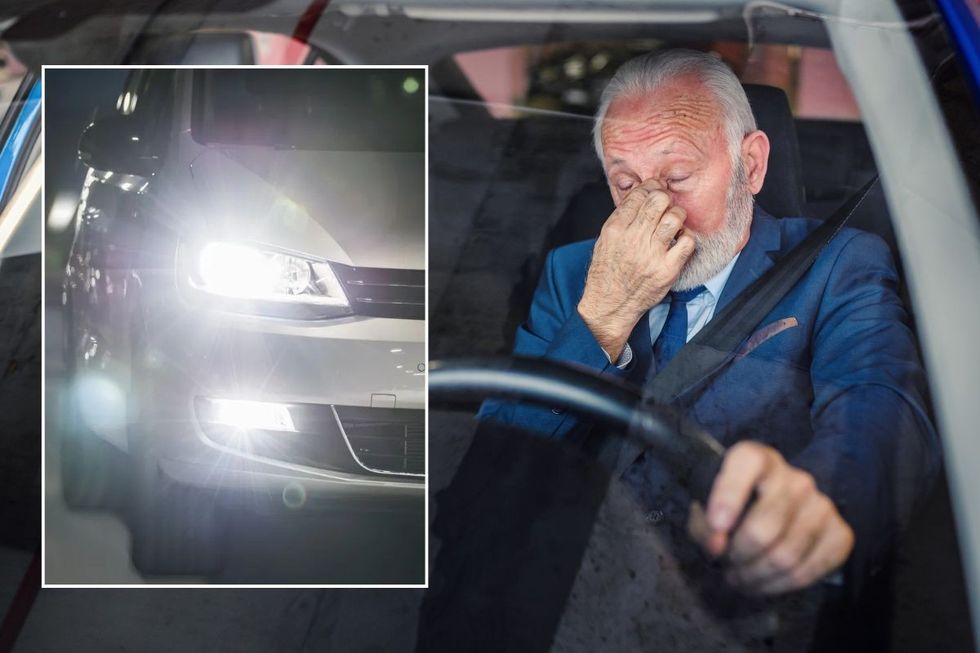
Many drivers have identified problems with bright headlights on the road, especially during the winter
| GETTYFord highlighted its new technology that aims to improve visibility and confidence for drivers, in addition to minimising dazzle.
The brand's Matrix LED headlights are made up of several LEDs that can be controlled individually.
This allows the light beam to be adjusted to suit the environment, traffic and weather conditions automatically.
Similarly, the Predictive Dynamic Bending Light can automatically adjust the light beam to illuminate curves on the road, providing a clearer view ahead of them.
LATEST DEVELOPMENTS
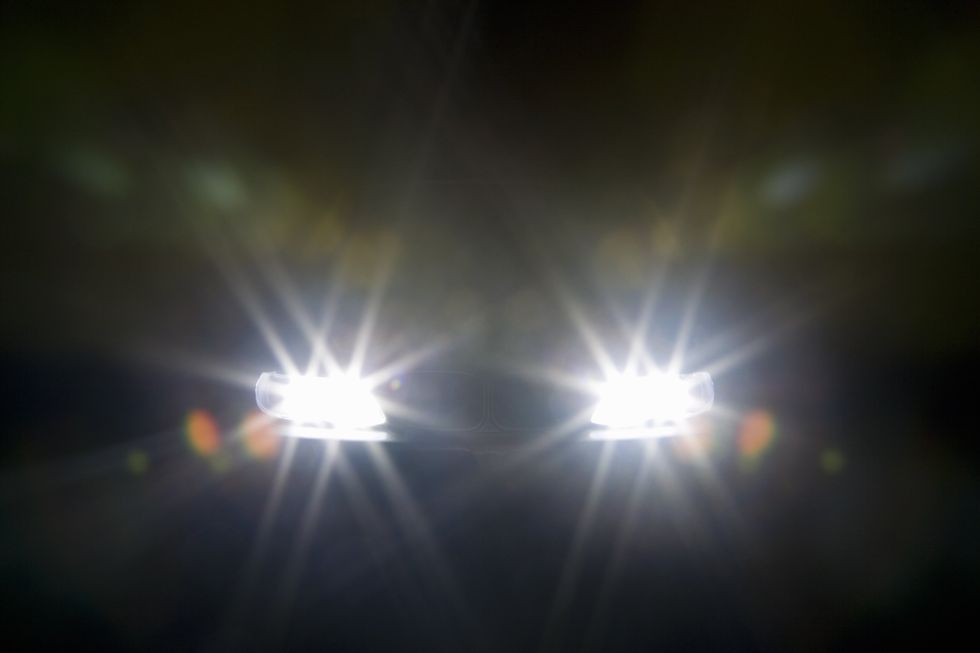
Some motorists have admitted to avoiding driving at night over fears of being dazzled
| GETTYRecent data from the RAC found that the issue of headlight glare is getting worse for British motorists, especially when comparing this winter to last year.
Almost three in five motorists say the problem of headlight glare has worsened in the last 12 months, with 78 per cent saying they have found travelling more difficult or uncomfortable.
More than half of drivers said they struggle to spot hazards or road markings when they get dazzled, potentially putting many other road users at risk of being involved in an accident.
Denise Voon, clinical advisor at The College of Optometrists, urged motorists to take steps to minimise the impact of headlight glare by always wearing their prescription glasses if they have them.
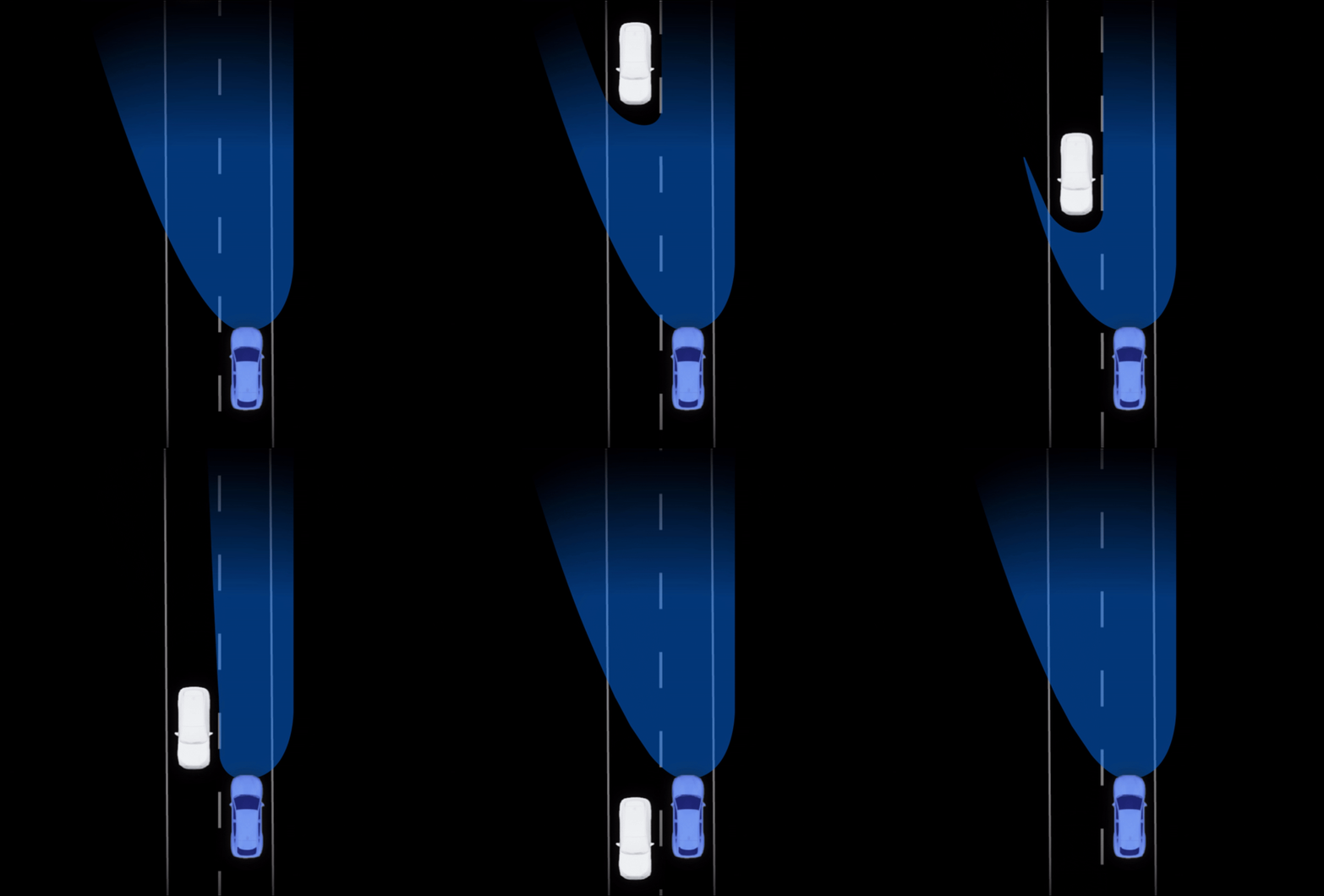
Ford's technology is designed to illuminate the path in front of the vehicle
|FORD
She added: "These figures show the widespread impact that headlight glare is having on drivers' vision and road safety.
"We encourage drivers of vehicles with adaptive driving beam systems to make sure they know how to dip the headlights manually, as these don't always pick up oncoming cars, cyclists and pedestrians early enough."
Baroness Dianne Hayter of Kentish Town said further Government research into the topic was "welcome" and would help create change for motorists.
"The RAC's latest research shows more than half of night drivers are being dazzled by headlights, and many are stopping driving for good. So, the problem is abundantly clear," she concluded.