







A new trial is set to explore how electric vehicles could save thousands of drivers during a power grid failure.
Motability Operations has been chosen as one of the delivery partners of Power Wheels - a new Ofgem-funded project focusing on disabled and medically dependent households.
The new project will focus on the North East of England and see how electric vehicle batteries could provide temporary backup power during a power cut.
It aims to investigate how electric vehicle batteries could be used as a backup power source to keep essential medical equipment running during a disruption.
TRENDING
Stories
Videos
Your Say
The Motability Scheme already supports more than 12,500 electric vehicle customers in the North East, many of whom rely on electricity for essential care.
The project is being developed in partnership with the Centre for Energy Equality, Northern Powergrid, Energy Systems Catapult, and Energy Innovation Centre.
It will look at how two-way EV chargers can return energy from the vehicles to support disabled people.
Potential measures include the ability to charge medical equipment and mobility aids directly from the power stored inside an electric car.
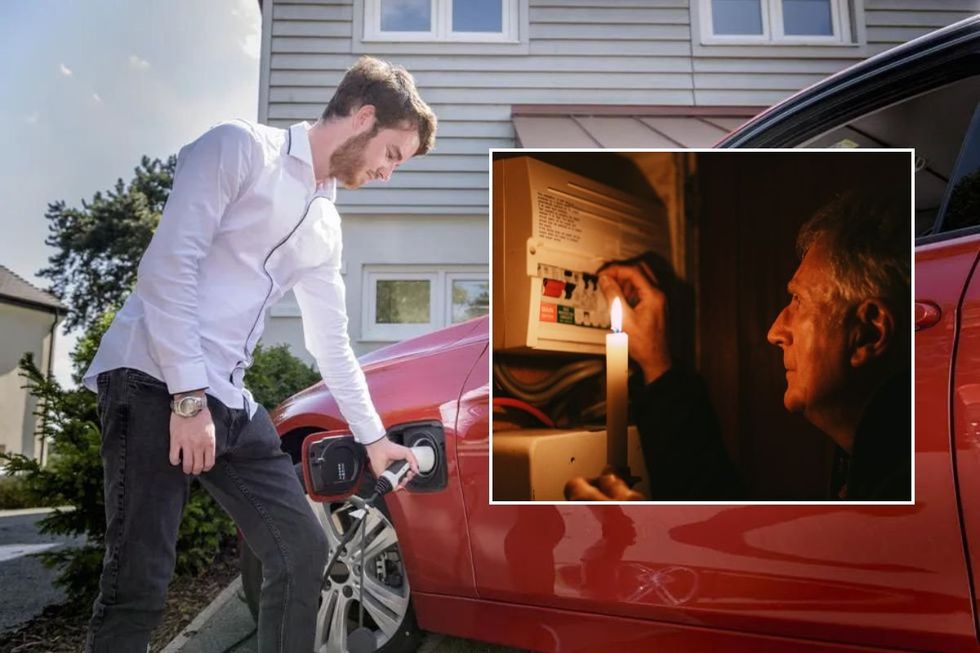
Electric cars could provide a lifeline to people with disabilities during power outages
|GETTY
Andrew Miller, chief executive of Motability Operations, explained the potential benefits of using an electric car during a time when a consistent source of electricity is not available.
He said: "As the UK moves to electric vehicles, it's vital that this transition supports disabled people's freedom and independence, and that new technologies are designed around real lives and needs.
"Power Wheels gives us the opportunity to work closely with customers and partners to explore how EVs could offer more than mobility - but support their medical resilience, helping people feel safer and more confident when disruption happens."
The next phase of the trial will work directly with 30 customers of the Motability Scheme to explore how the technology can work.
LATEST DEVELOPMENTS
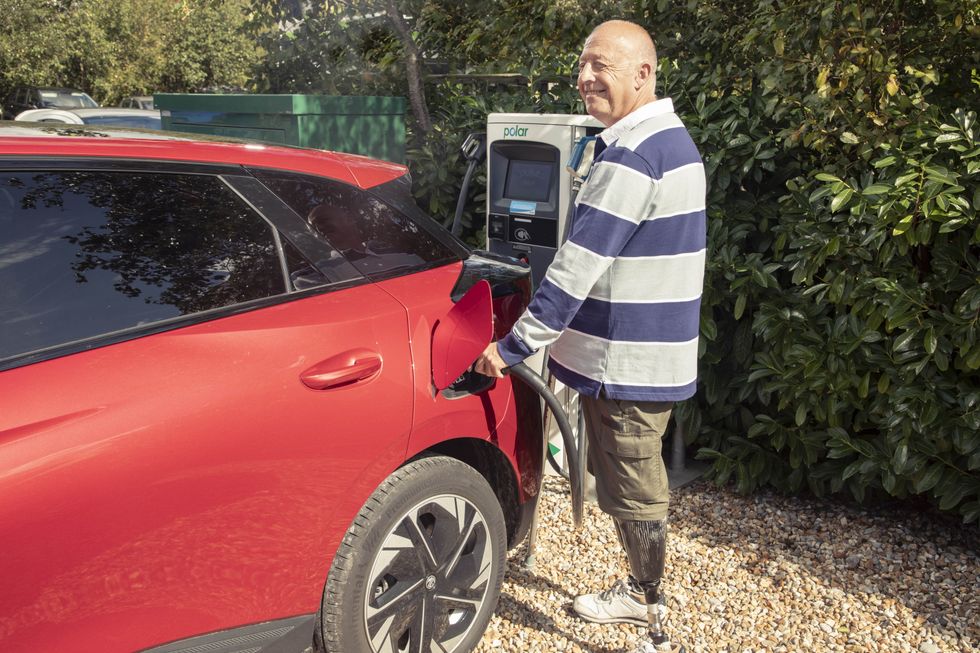
The Motability-backed study will look into how electric cars could help disabled people during power outages
| MOTABILITYIt will explore how the technology could potentially work for people with varying disabilities and requirements.
Any considerations from the trial will be used to "co-create solutions for future testing", which could become more widespread as more electric vehicles hit the road.
Previous research from the Energy and Climate Intelligence Unit (ECIU) found that electric vehicles could be critical during extended power outages.
It suggested that an electric vehicle with just 60 per cent of its charge could provide the equivalent of six days of power for the average household.
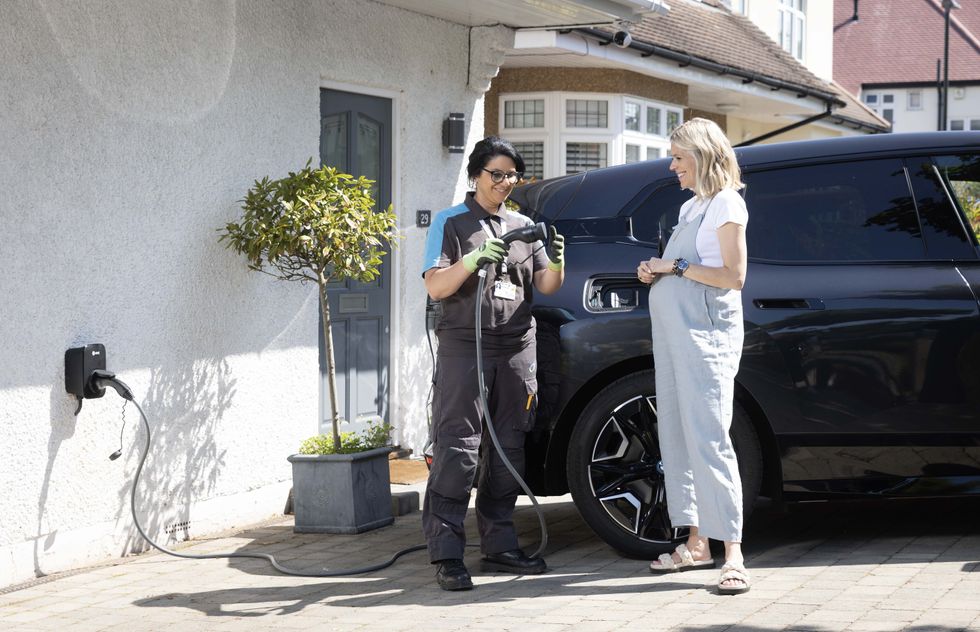
EV owners can sell their energy back to the national grid through V2G technology
| PAAn increasing number of electric vehicles are equipped with Vehicle-to-Grid (V2G) or Vehicle-to-Home (V2H) technology that can send energy in either way via a bi-directional charger.
In addition to being able to send power back to the grid when electricity is more expensive, it can help drivers keep the lights on during a power cut.
The ECIU found that EV owners could make up to £630 a year by plugging their electric vehicles in for two hours around peak demand in the evening, while using only around 20 per cent of the EV's battery.
Colin Walker, head of transport at the ECIU, said: "In an unprecedented blackout like the one we just saw in Spain, these EVs will allow people to keep their lights on, their fridges cold and their wireless routers running for days."