







Drivers could see fresh changes introduced in the new year aimed at addressing a key barrier to electric car adoption.
A national survey launched by EVA England has highlighted the growing "charging divide" in the UK, where certain drivers pay more to charge their vehicles.
The survey focused on cross-pavement charging solutions and came shortly after the Government passed the Planning and Infrastructure Act.
The new laws aim to make home EV charging more accessible for those who do not have driveways by removing some of the key planning red tape.
TRENDING
Stories
Videos
Your Say
EVA England's research showed drivers who rely solely on public charging face far higher costs, particularly at rapid chargers where prices can be as much as 76p per kilowatt hour compared to 26p for at-home chargers.
For many, the financial and logistical barriers have forced drivers to stay sticking with petrol or diesel cars, which remain a cheaper option.
Cross-pavement charging, which allows a cable to run safely across a public footpath from a home to a parked electric car, offers a potential solution to this problem.
However, some local authorities have been slow to approve installations, leaving drivers waiting up to 15 months and facing costs of up to £3,000.
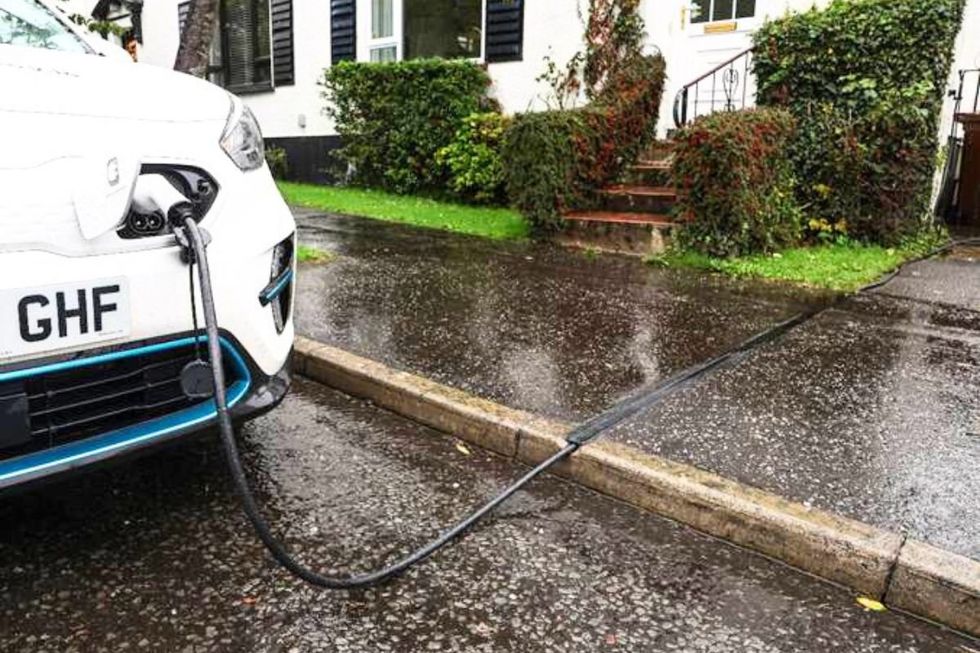
The lack of accessible charging solutions has caused more drivers to stick with petrol and diesel cars
| KERBO CHARGEThese barriers have made it difficult for drivers in flats, terraced homes, and other properties without driveways to access affordable charging solutions.
To address this, EVA England partnered with the Renewable Energy Association, New AutoMotive, and Kerbo Charge.
Through lobbying, the Government has launched a formal consultation on extending permitted development rights to allow cross-pavement chargers, followed by secondary legislation.
Ministers have also committed to engaging with local authorities to reduce delays and costs by having their own contractors install chargers.
LATEST DEVELOPMENTS
Vicky Edmonds, CEO of EVA England, stated that while cross-pavement charging may not be suitable for everyone, it can remove a significant barrier to switching to electric vehicles.
She said: "Recent progress in Parliament shows what can be achieved when drivers' experiences are taken seriously.
"The commitments secured by Baroness Pidgeon are an important step towards tackling the charging divide, but policy change only works if it reflects what is actually happening on our streets."
She stressed that the survey was about making sure drivers without driveways" are heard as the Government takes these commitments forward".
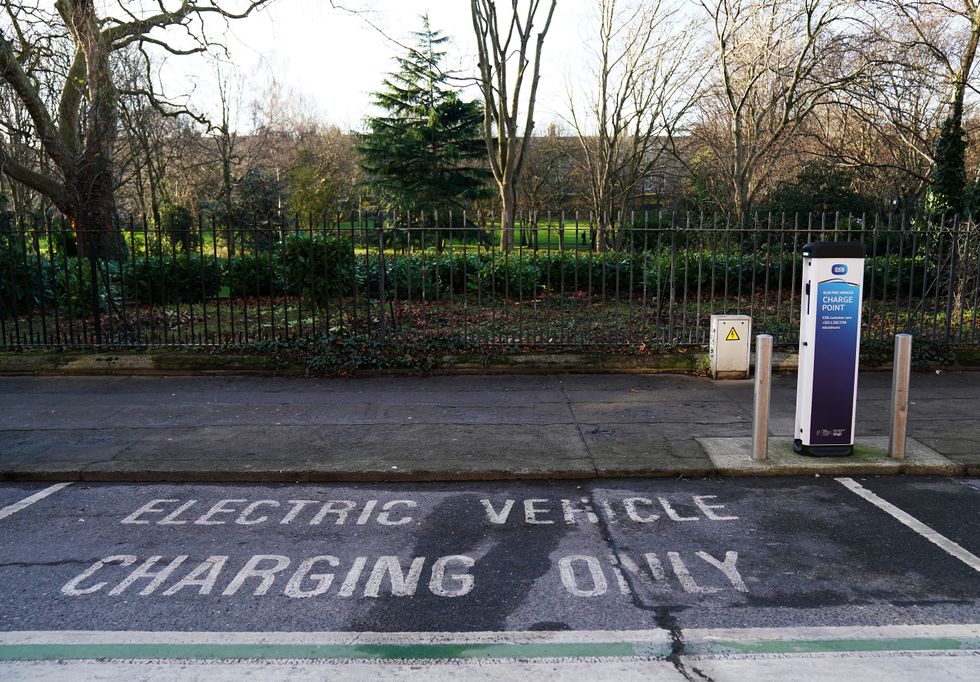
The report found that charging at public points remains too expensive for drivers
| PAMeanwhile, Michael Goulden, co-founder of Kerbo Charge, said over 40 per cent of UK homes face barriers to EV ownership simply because they lack a driveway, leaving many to face high public charging costs.
Ben Macdonald, founder of Nodum, added that a more diverse charging infrastructure is essential for a "just transition," and that cross-pavement solutions make EV ownership more accessible to a wider range of people.
He said: "This survey from EVA England will play a vital role in developing a more nuanced understanding of the needs of British drivers."