









Electric vehicles are more likely to fail their MOTs than many motorists may expect, according to an expert, with new data revealing a significant 25 per cent difference in pass rates between some EV and hybrid models.
The figures highlight major variations between manufacturers and models at a time when EV adoption is accelerating across the UK, as part of the Zero Emission Vehicle mandate.
While electric cars are often promoted as requiring less maintenance than their petrol and diesel counterparts, experts have warned that the reality could be more nuanced.
Claire Wills-McKissick, temporary insurance expert at Tempcover, told GB News that the data should be treated as a useful indicator rather than a definitive measure of reliability.
"The figures highlight a striking 25 per cent performance swing between models, but they don't give us the full story as to why they differ," she said, noting that mileage, driving habits and servicing history remain critical factors in determining whether a vehicle passes its MOT.
Ms Willis-McKissick added: "In reality, variables like mileage, usage patterns and routine upkeep affect any car's MOT success, and electric and hybrid vehicles are no different."
The findings follow a growing concern that some motorists may be assuming electric vehicles require little attention once they leave the showroom.
While EVs eliminate the need for many traditional servicing tasks, such as oil changes, they introduce a different set of maintenance considerations that can directly affect MOT outcomes, the expert explained.
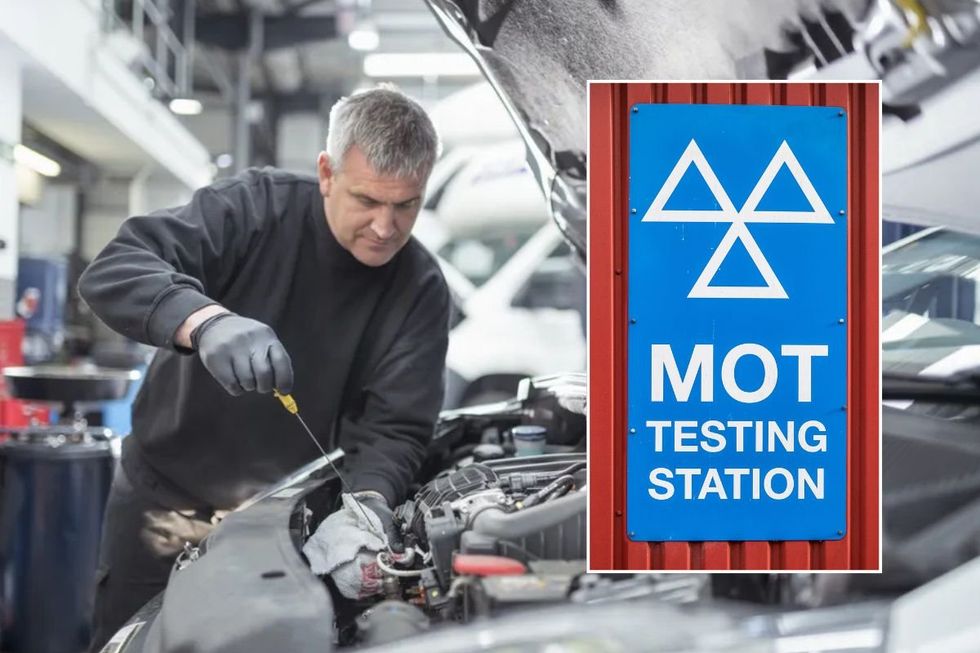
Experts have warned that EVs are less likely to pass the MOT due to being heavier than petrol and diesel cars
| GETTYThe top concern is vehicle weight, with modern battery packs adding hundreds of kilograms to a vehicle, increasing the load placed on tyres, suspension components and steering systems.
According to Ms Wills-McKissick, these variations serve as a clear reminder of why drivers must continue with a proactive maintenance mindset, especially regarding unique issues such as tyre and suspension wear caused by heavier electrified models.
Tyre wear also emerged as a particular issue for EVs, with instant electric torque delivering rapid acceleration, but also capable of increasing stress on tyres, potentially shortening their lifespan compared with those fitted to conventional vehicles.
LATEST DEVELOPMENTS
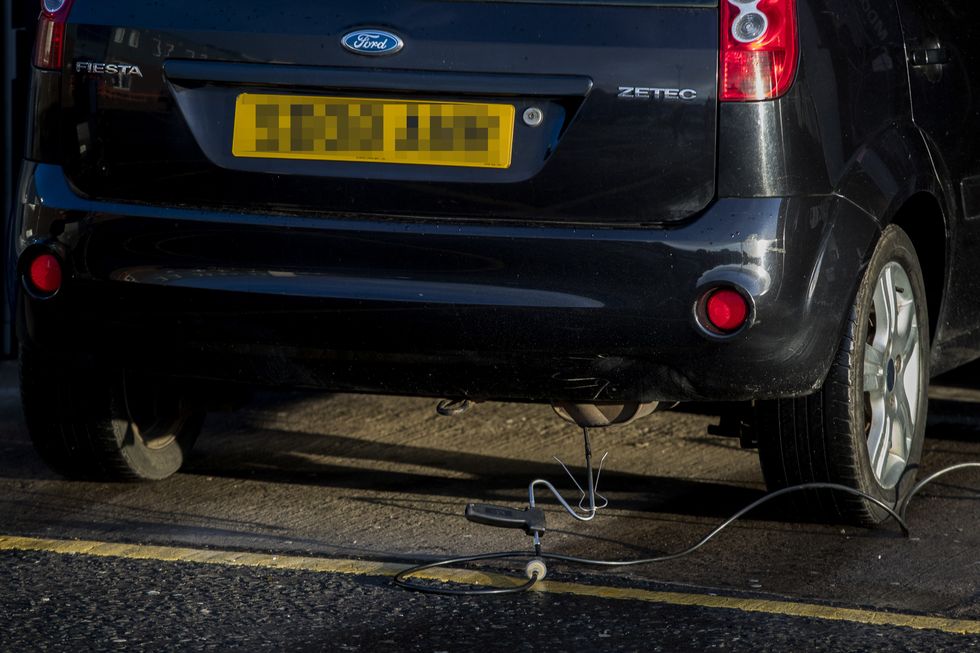
Electric cars only have a 25 per cent pass rate for MOTs compared to conventional petrol and hybrid models
|PA
Ms Wills-McKissick said drivers should not assume that regenerative braking, one of the technology's key benefits, removes the need for ongoing checks.
Another challenge facing EV owners is the "near-silent" operation. Unlike petrol and diesel cars, where developing faults are often highlighted by unusual engine noises, problems in electric vehicles can be harder to detect.
This could allow minor issues to develop into more serious faults before drivers realise something is wrong, potentially increasing repair bills and contributing to MOT failures.
Beyond the financial implications, a poorly maintained car can also impact car insurance premiums and the safety of everyone on the road, the expert warned.
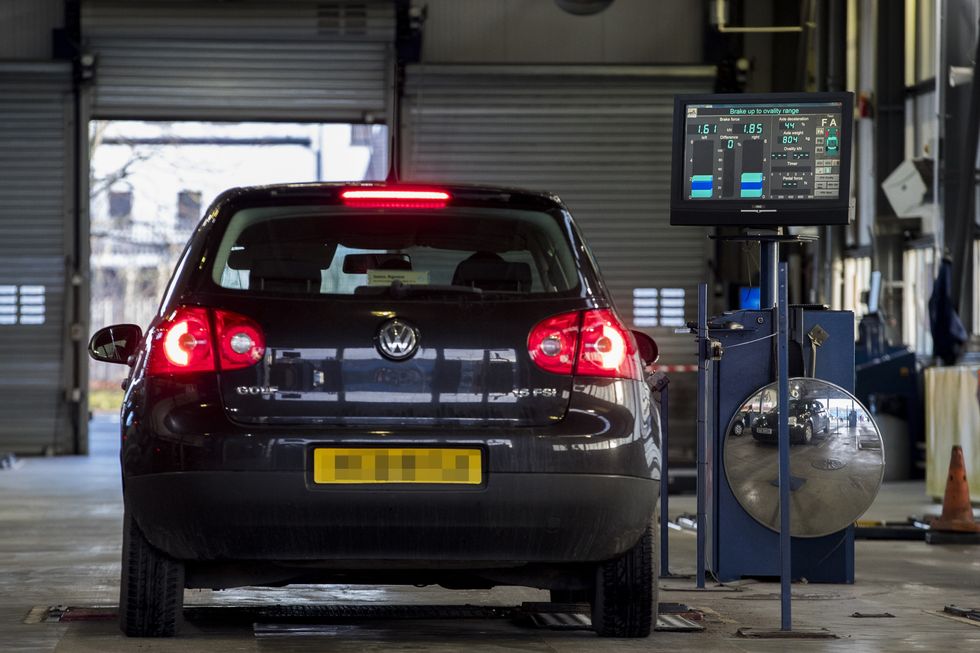
Experts detailed how electric cars were more at risk of MOT failures due to suspension problems compared to lighter and smaller vehicles
| PAShe shared: "MOT performance data is a useful guide; it can empower buyers to ask better questions, and budget more accurately for maintenance costs.
"For anyone buying a used EV or hybrid, checking the specific vehicle's MOT history is one of the most practical steps you can take before committing.
"With EV and hybrid adoption at record levels and interest continuing to grow, it's vital that servicing expertise and consumer awareness keep pace, so drivers are equipped to maintain their vehicles properly and keep them road-legal."