










The UK's largest second-hand electric vehicle survey has revealed that EV batteries hold up better than some motorists believe.
A new study states that the average battery health stands at 95.15 per cent for used electric cars, based on data from more than 8,000 cars and light commercial vehicles.
The research was conducted on the vehicles from across 36 manufacturers, between the ages of zero and 12 years old and with mileages of up to 160,000 miles.
For vehicles in the eight to nine-year age bracket, the electric battery will retain a median capacity of 85 per cent, according to the Generational Battery Performance Index.
TRENDING
Stories
Videos
Your Say
Even vehicles with high mileages of more than 100,000 miles frequently returned a State of Health (SoH) capacity between 88 and 95 per cent.
For used electric vehicles that have been on the roads for four or five years, the median SoH was as strong as 93.5 per cent, showing that used electric vehicles remain reliable even after a number of years.
The data also showed that battery degradation is "not the systemic risk once assumed" as a growing number of drivers ditch petrol and diesel cars for zero emission vehicles.
Oliver Philpott, CEO of Generational, which conducted the study, said the research proved that EV batteries are performing better than consumers and industry stakeholders believe.
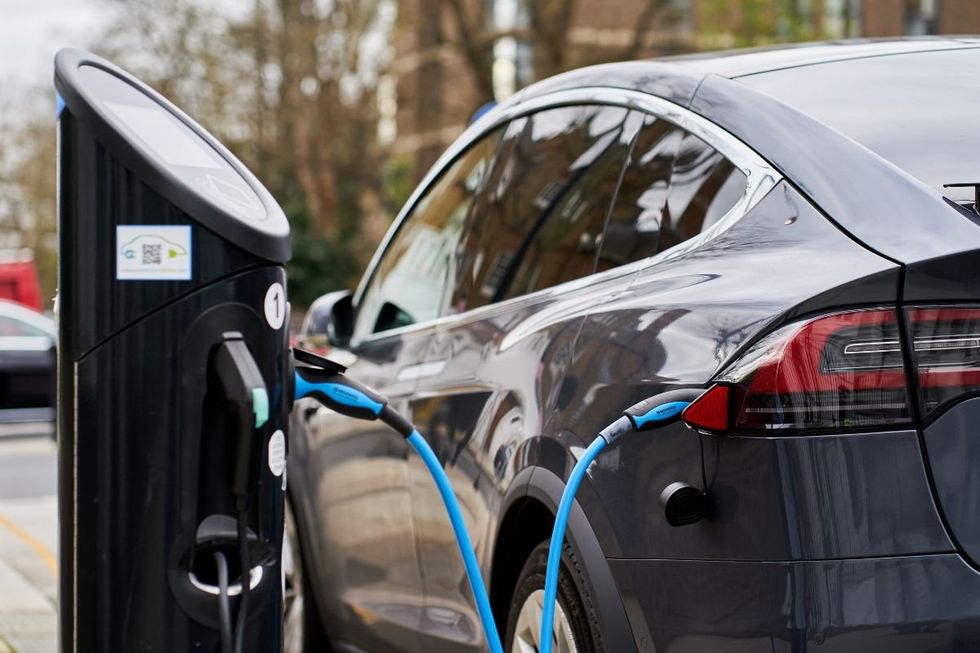
Electric car batteries do not degrade as quickly as many people believe
|GETTY
Fears around battery degradation remain one of the key concerns for motorists who are yet to switch to an electric vehicle, especially alongside range anxiety.
The expert said: "With an average State of Health of over 95 per cent, and even older vehicles comfortably exceeding warranty thresholds, the underlying fundamentals are extremely strong.
"Transparency in battery condition is the main challenge facing the market today, and essential infrastructure for a healthy used EV sector; as vehicles age, the variance between the best and worst performers widens, and that dispersion defines risk."
The report identified that most vehicles rarely approach the warranty thresholds set out by manufacturers, further protecting motorists.
LATEST DEVELOPMENTS
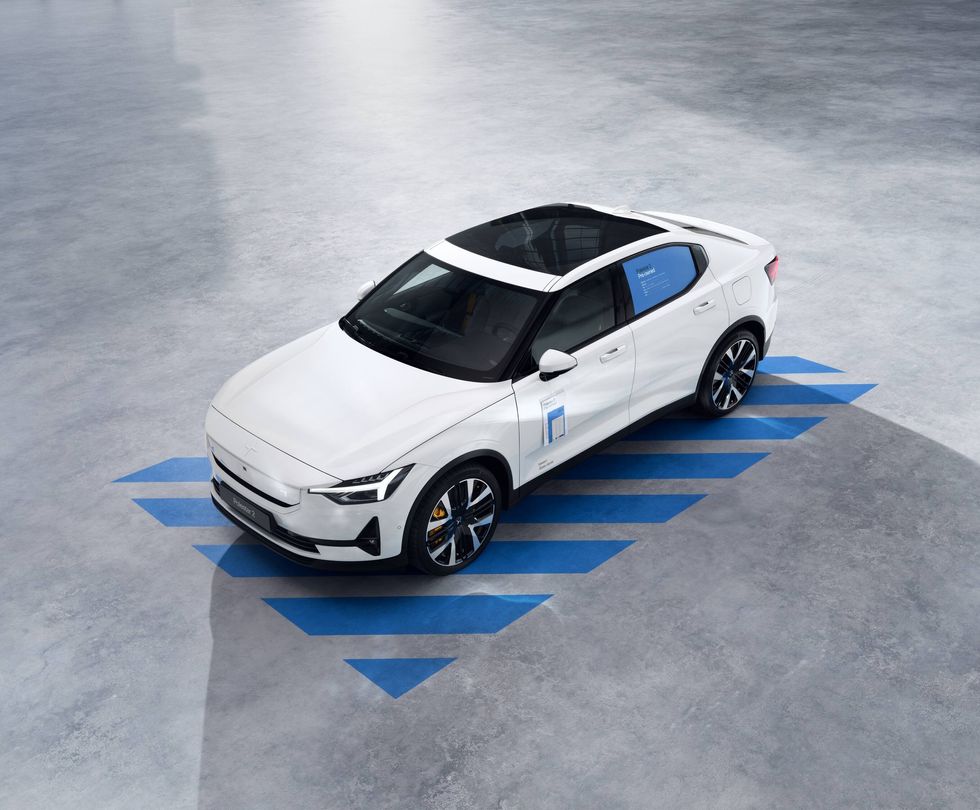
EV battery certificates aim to increase interest in the used car market for electric vehicles
| POLESTARMany car brands sell electric vehicles with warranties that guarantee a State of Health of at least 70 per cent over eight years or 100,000 miles.
The Generational report states that the overwhelming majority retain a far healthier battery SoH, reassuring motorists that they will not need to replace their batteries after a short amount of time.
Many manufacturers are also now selling electric vehicles with a battery passport included to show motorists the origin and health of the battery.
Mr Philpott said: "By establishing clear benchmarks for what is typical, above and below average as we look to drive further growth in 2026, we are giving the market the reference points it needs to price risk accurately, strengthen residual values and accelerate adoption."
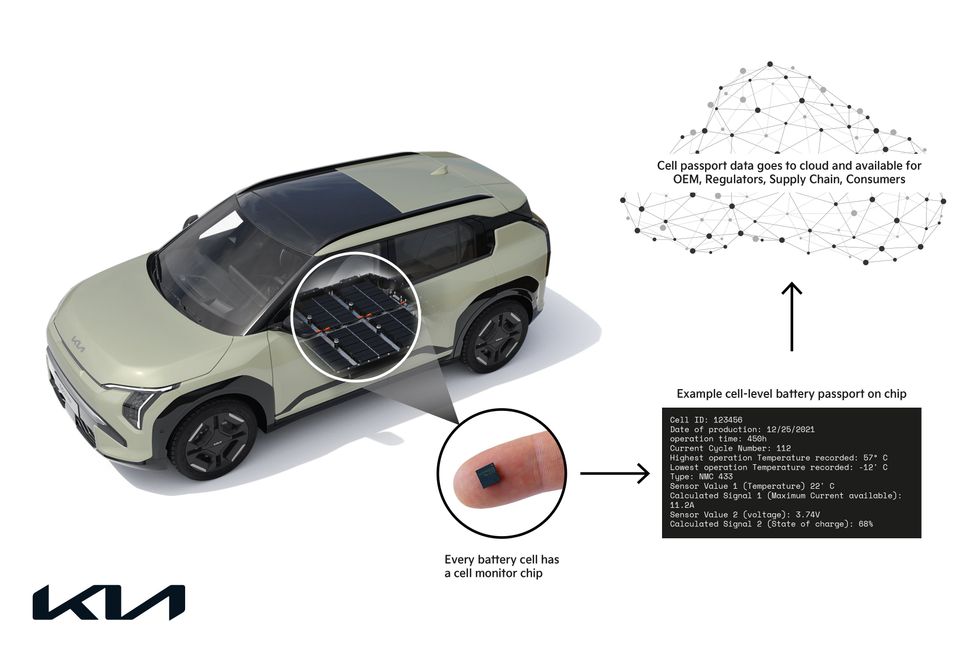
Kia aims to have the battery passport included in all of its electric vehicles by 2027
| KIAThe report is designed to help give assurances to motorists who are looking to invest in an electric car, especially ahead of the 2030 ban on sales of new petrol and diesel vehicles.
In most cases identified by Generational, electric vehicle batteries are likely to exceed the lifespan of the vehicle itself, even in cases when the vehicle is consistently making high-mileage journeys.
Philip Nothard, Chair of the Vehicle Remarketing Association, said: "Potential buyers of used electric cars and vans understandably place a huge emphasis on battery health.
"They need to trust that this fundamental and expensive vehicle component will meet their needs without any unpleasant surprises.
"Transparency will prove crucial in building future consumer confidence and dispelling the many misconceptions that have gained currency around EV batteries."