










Drivers convicted of causing death or serious injury could now avoid immediate prison under new rules introduced by the Sentencing Act 2026.
The law, which received Royal Assent on January 22, came into effect on March 22, giving courts in England and Wales the power to suspend prison sentences of up to three years. Previously, only terms of two years or less could be suspended.
A suspended sentence allows a custodial term to be imposed without being served immediately, provided the offender meets certain conditions and avoids reoffending.
The operational period during which the sentence can be activated has also been extended to three years, after the Sentencing Council updated its guidelines.
TRENDING
Stories
Videos
Your Say
Justice Minister Emma Harding said: "This reform gives judges the flexibility to tailor sentences to the offender's level of blame.
"Not every tragedy on the roads is the result of deliberate recklessness, and courts should be able to distinguish between different degrees of culpability."
Causing death by dangerous driving carries a maximum penalty of life imprisonment, with typical sentences ranging from two to 18 years depending on the circumstances.
Related offences, such as causing death by careless driving or causing serious injury by dangerous driving, have also been strengthened in recent years.
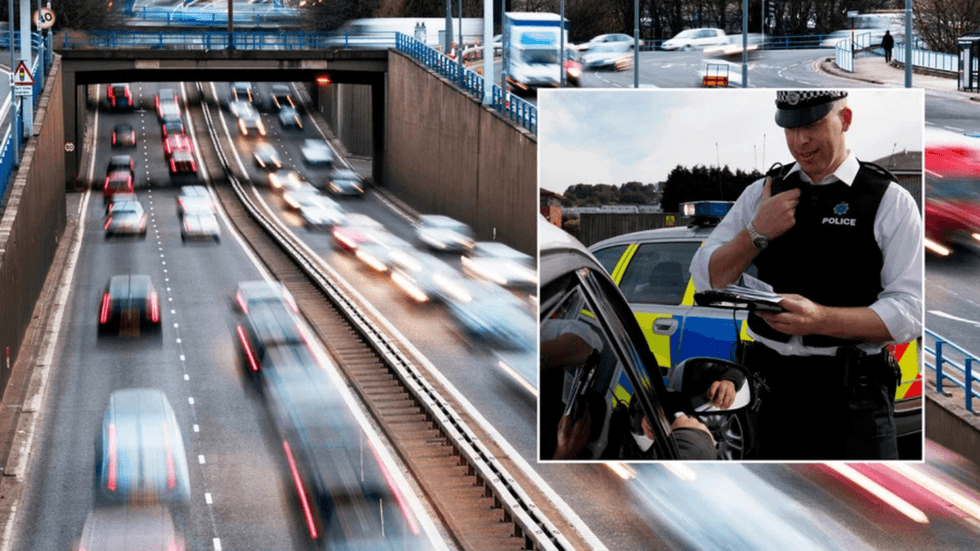
The Sentencing Council updated its rules for road offences on March 22
|GETTY/PA
The reform means sentences between two and three years can now be suspended in cases involving lower-end dangerous driving fatalities, causing death by careless driving, or causing serious injury by dangerous driving.
The Sentencing Council carried out a consultation on motoring offences between July and September 2022, receiving 307 responses from the public, legal professionals, and organisations.
Lord Justice William Davis, Chairman of the Council, said: "All responses demonstrated a clear desire for safer roads and to see the public protected.
"Sadly, there are many instances of highly egregious driving, many resulting in injury and fatality, which come before the courts, and the proper response to these will usually be significant custodial sentences.
LATEST DEVELOPMENTS

Under the new rules, drivers can have their sentence suspended for up to two years
| GETTY"However, more difficult questions are raised by those cases involving errors of judgement and lapses in concentration which nonetheless result in death and injury."
Legal experts explained that the new approach allows courts to consider personal circumstances and rehabilitation prospects more carefully.
Defence solicitor Daniel Price commented: "Previously, someone with no criminal history who caused a fatal crash could be sent straight to prison for a few years."
The Act also introduced a presumption that any custodial sentence of 12 months or less should be suspended, unless exceptional circumstances exist.
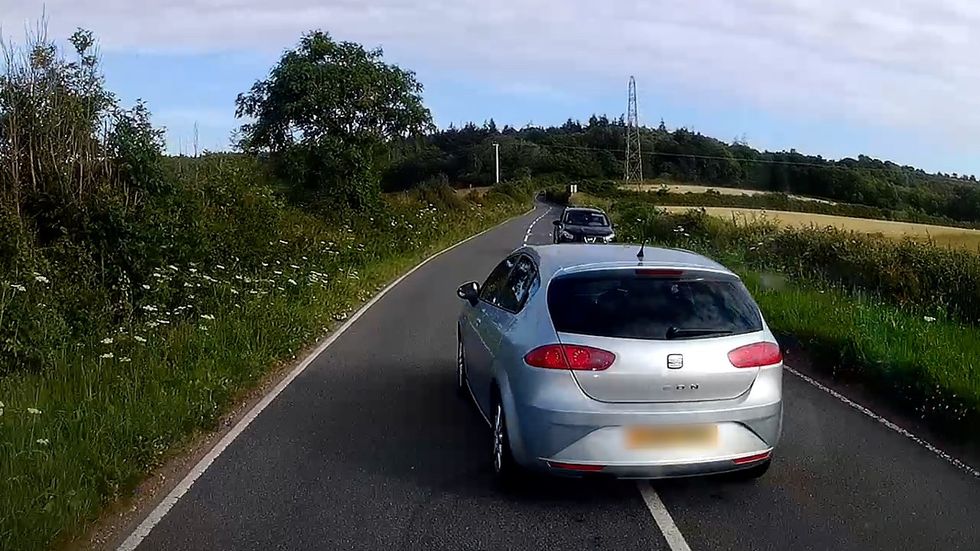 The footage recorded cases of dangerous driving in the UK | DEVON AND CORNWALL POLICE
Exceptions include cases where the offender is already in custody, committed the offence while under a court order, or poses a significant risk of harm.
High-speed racing, deaths caused by drunk or drugged driving, and repeat dangerous driving usually attract sentences above three years and will still require immediate custody.
Other goals include reducing prison overcrowding and promoting rehabilitation, which can include unpaid work, driving retraining, or participation in rehabilitation programmes.
Lord Justice Davis added: "As this consultation response sets out, we have made a number of changes to our proposals in light of many of the responses we received and the sentencing exercises undertaken with judges and magistrates."